
Sign Up For Free Tips So You Can:
Copywriting patterns that turn desire into action
Impulse purchases rarely happen because a customer suddenly stops thinking. They happen when a message makes a need feel immediate, the benefit feel tangible, and the decision feel safe enough to make now. Effective copy guides those reactions in a clear sequence.
The best-performing sales pages, emails, and product descriptions often rely on repeatable structures. These patterns use consumer psychology, emotional triggers, perceived value, and timely calls to action without requiring exaggerated claims.
The five copywriting patterns that trigger impulse purchases work because they reduce friction between interest and action. Used responsibly, they can help a business attract qualified leads, increase conversions, and create offers that feel relevant rather than intrusive.
Why impulse decisions happen
An impulse purchase usually begins with recognition. A customer sees a problem, desire, or opportunity reflected in the copy and immediately connects it to personal experience. Strong messaging does not create an entirely new desire; it gives an existing desire sharper language.
The next step is emotional momentum. When the reader can quickly understand what changes after buying, the product becomes easier to picture. Clear benefits, concrete details, and credible reassurance then help the customer move from “That sounds useful” to “I should act now.”
For marketers developing these skills, Marketing Cipher offers practical guidance on copywriting, conversion strategy, email marketing, and buyer psychology.
Start with a problem that feels personal
The problem-agitate-relief pattern begins by naming a frustrating situation. It then highlights the cost of leaving that situation unresolved before presenting the product as a logical form of relief. This structure is powerful because it mirrors the customer’s internal thought process.
Agitation should create clarity, not panic. Instead of making vague claims about failure, describe specific consequences: wasted hours, missed opportunities, confusing workflows, or recurring expenses. Then connect the offer to a credible improvement, such as a faster process, simpler decision, or more predictable result.
A useful sequence might read: “Your sales emails are getting opened but not acted on. Every unanswered message represents lost attention and delayed revenue. This template system gives each email a focused purpose, clear benefit, and persuasive next step.”
Make the desired result easy to imagine
People respond strongly to copy that helps them mentally experience ownership. This pattern uses vivid outcomes, sensory language, and future pacing to move the product from an abstract object into a recognizable improvement.
Specificity makes the promise believable. “Save time” is weak compared with “finish your weekly reporting before your first afternoon meeting.” “Feel more organized” is less persuasive than “open one dashboard and see every active lead, follow-up date, and next action.”
The copy should connect features to lived benefits. A quiet motor means a calmer workspace. A guided checklist means fewer decisions during a busy launch. A meal kit with pre-portioned ingredients means less preparation and less cleanup. The closer the reader can get to the result, the more valuable the offer feels.
| Pattern | Psychological effect | Useful copy element | Best application |
|---|---|---|---|
| Problem-agitate-relief | Creates urgency around a real pain point | Specific frustration and clear relief | Services and problem-solving products |
| Future pacing | Builds mental ownership of the outcome | Concrete before-and-after scenario | Lifestyle, software, and experience offers |
| Price anchoring | Makes the main price easier to evaluate | Meaningful comparison or reference point | Premium products and packages |
| Social proof | Reduces uncertainty through evidence | Reviews, numbers, or customer outcomes | New or trust-sensitive offers |
| Scarcity and urgency | Encourages timely action | Honest deadline, limited quantity, or bonus | Campaigns and time-bound promotions |
Frame value through meaningful contrast
Price anchoring gives customers a reference point before they evaluate the actual offer. A premium package may seem expensive in isolation, but it can appear reasonable when compared with the cost of separate tools, outsourced work, or months of trial and error.
The anchor must be relevant and truthful. Showing an inflated “original price” can damage trust, while comparing a complete solution with realistic alternatives can clarify value. Copy might explain that a yearly plan costs less than twelve monthly renewals or that one consultation replaces several disconnected services.
Contrast can also involve outcomes rather than prices. Show the difference between manual and automated work, scattered resources and one organized system, or delayed action and an immediate result. The goal is to make the customer’s choice easier to evaluate.
Borrow confidence from other buyers
Social proof helps resolve the uncertainty that often blocks an impulse purchase. Reviews, testimonials, case studies, usage figures, and recognizable client names all answer the silent question: “Will this work for someone like me?”
Specific evidence is more persuasive than general praise. A testimonial that says “great product” has limited impact. A statement describing how a customer reduced setup time, increased bookings, or completed a task faster gives the benefit credibility and context.
Match the proof to the audience’s concern. If buyers fear complexity, show how quickly others got started. If they question quality, feature detailed results or expert validation. Place proof near the claim it supports so the reader does not have to search for reassurance.
Give the decision a reason to happen now
Scarcity and urgency can trigger action by making delay feel costly. A limited quantity, enrollment window, seasonal deadline, or expiring bonus gives the customer a concrete reason to decide rather than postpone.
Ethical urgency is precise and verifiable. “Offer ends Friday at midnight” is stronger than “Hurry soon,” because it tells the reader exactly what will happen. Likewise, “Only 12 consultation slots remain” is useful when the capacity is genuinely limited.
Urgency works best after value and trust have been established. If it appears too early, the message can feel aggressive. First explain the problem, outcome, price, and proof; then make the timing clear with a direct call to action.
Combine the patterns without making the copy noisy
A sales message does not need every psychological trigger in every sentence. A cleaner approach is to assign each pattern a role. Begin with the customer’s problem, describe the desired outcome, frame the value, add proof, and finish with a legitimate reason to act.
Keep the language conversational and measurable. Replace inflated adjectives with details, and test one major change at a time. You can compare a benefit-led headline with a problem-led headline, or a generic button with a specific action such as “Start the free trial.”
- Use one primary emotional trigger for each section of the page.
- Support every major promise with a detail, example, or customer result.
- Place price comparisons beside the value they explain.
- Use real deadlines and inventory limits rather than artificial countdowns.
- Repeat the core benefit in the call to action.
Turn persuasive structure into a buying moment
The strongest impulse-oriented copy makes the next step feel natural. It reminds the customer why the offer matters, removes a final concern, and presents a simple action with clear expectations. That may be starting a trial, claiming a bonus, booking a call, or completing checkout.
Review your next landing page or promotional email through the five patterns: personal problem, vivid outcome, meaningful contrast, credible proof, and honest urgency. Then refine the message until every line helps the reader understand the value and feel confident about acting now.
Expert Marketing Tips & Tricks
We will share with you the latest tips and tricks from proven marketing experts:
- Dominate your target market
- Write powerful sales copy that converts
- Learn traffic secrets to attract unlimited leads
- Create Irresistible offers
- Grow your email list
Get FREE Marketing Tips So You Can Grow Your Online Business
Check Out Our Latest Posts
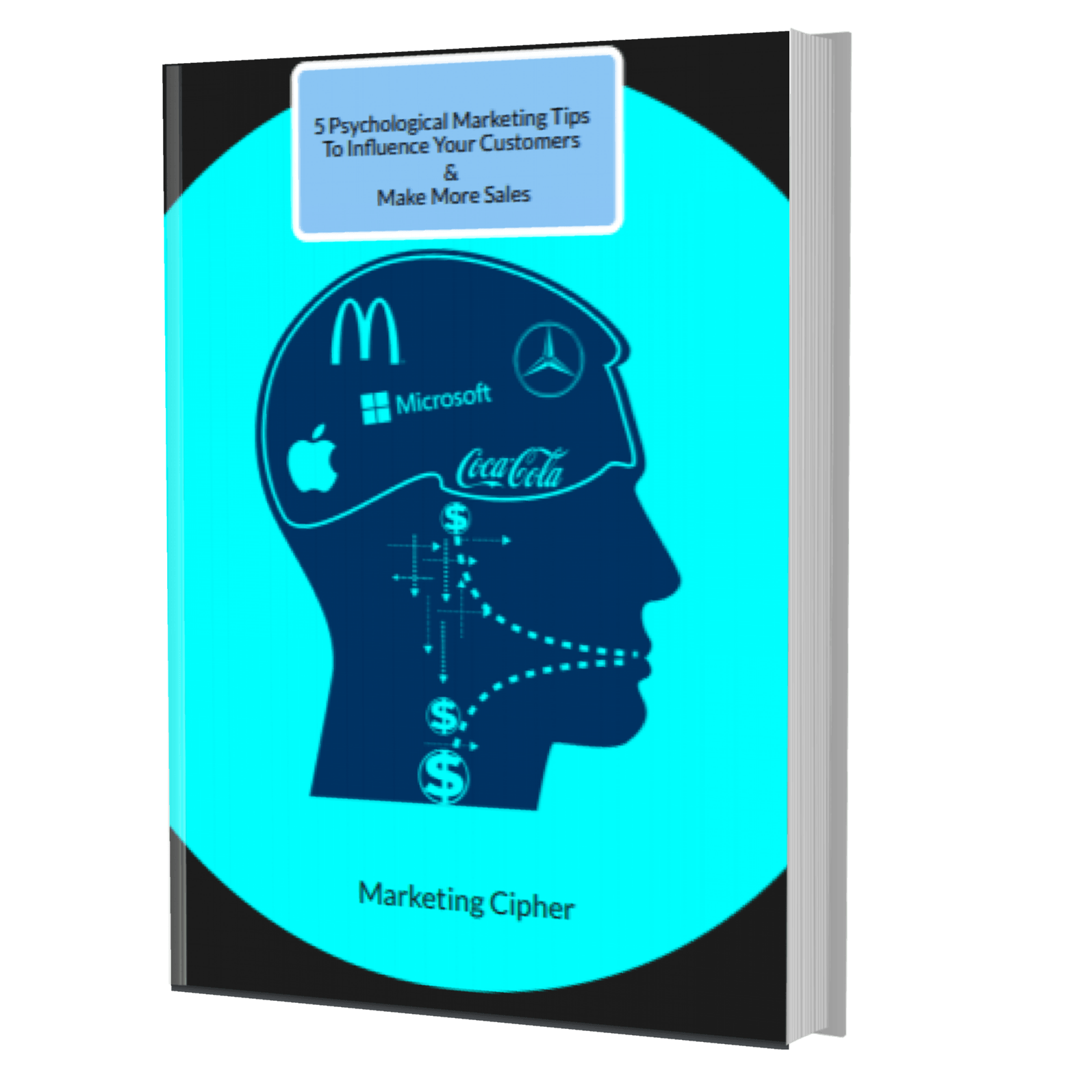
Get Your FREE Gift
"5 Psychological Marketing Tips To Influence Your Customers & Make More Sales"
Download This Free e-book To Learn How To:
Want More Leads, Traffic, & Sales?
Sign Up For Free Tips & Boost Your Results Now!