
Sign Up For Free Tips So You Can:
7 Consumer Psychology Hacks for Your Next Product Launch
A successful product launch is shaped by more than product quality. Buyers must notice the offer, understand its value, trust the business, and feel motivated to act before interest fades. Consumer psychology helps marketers design that journey deliberately.
The most effective persuasion techniques do not manipulate people. They reduce uncertainty, make benefits easier to understand, and connect the product with a real need or aspiration. When these principles are built into landing pages, emails, advertisements, and checkout flows, campaigns become more relevant and persuasive.
Use the following seven psychology hacks to improve your launch strategy, increase engagement, and turn more prospects into customers.
Create A Clear Contrast
People judge value comparatively. A product can seem expensive when viewed alone, yet reasonable when placed beside the cost of an alternative, the time required to solve the problem manually, or the consequences of doing nothing.
This is the anchoring effect. Establish a meaningful reference point before presenting the purchase price. For example, show the regular price beside a launch rate, or compare a service package with the hourly cost of completing the same work internally. The anchor must be credible; an inflated or artificial comparison can damage trust.
Turn Features Into Mental Outcomes
Customers rarely buy specifications for their own sake. They buy faster results, fewer frustrations, greater confidence, or a more attractive future. Translate each feature into a practical result and then into an emotional benefit.
A project management tool may include automated reminders, but the stronger message is that users can stop chasing updates and finish work with less stress. Specific language helps prospects imagine ownership. Use vivid examples, before-and-after scenarios, and concrete descriptions of how the product changes an ordinary day.
Use Social Proof At The Right Moment
Uncertainty makes people delay purchases. Testimonials, reviews, case studies, customer counts, and recognizable client logos can reduce that hesitation by showing that others have already taken the risk.
Place social proof near decision points rather than hiding it on a separate page. A short customer quote beside a pricing button may be more persuasive than a long collection of testimonials several clicks away. Whenever possible, include details such as the customer’s role, measurable outcome, or initial concern. Specific evidence feels more authentic than vague praise.
Build A Sense Of Progress
People are motivated when they can see movement toward a desired result. A launch campaign can use this tendency by presenting the buying journey as a series of manageable steps rather than one overwhelming commitment.
A free checklist, quiz, waitlist, or short email course gives prospects a low-friction way to begin. After each step, show what they have accomplished and what comes next. This is especially useful for complex products because small commitments create familiarity and make the final purchase feel like a natural continuation.
The following comparison shows how these principles can fit different launch assets:
| Psychology principle | Customer concern | Useful launch asset | Signal to measure |
|---|---|---|---|
| Contrast and anchoring | “Is this worth the price?” | Pricing page or offer comparison | Add-to-cart rate |
| Outcome visualization | “Will this work for me?” | Demonstration, case study, or sales page | Time on page |
| Social proof | “Can I trust this business?” | Testimonial or review block | Checkout completion |
| Progress momentum | “Where should I start?” | Quiz, waitlist, or email sequence | Lead-to-sale rate |
Make Scarcity Specific And Honest
Scarcity increases attention because people place greater value on opportunities that may disappear. A launch can use a limited enrollment window, a capped number of bonuses, or a genuine stock constraint to give prospects a clear reason to decide.
Vague claims such as “almost gone” can feel manufactured. Explain what is limited and why. If early buyers receive a bonus until a particular date, state the deadline and remove the bonus when the period ends. Ethical urgency supports credibility, while false scarcity can create refunds, complaints, and negative word of mouth.
Match The Message To Identity
Consumers often choose products that reinforce who they are or who they want to become. This identity-based motivation is powerful for products connected to health, status, creativity, independence, or professional growth.
Frame the offer around the customer’s values and self-image. A budgeting app might appeal to people who want to feel intentional with money, while a writing course might speak to aspiring experts who want their ideas recognized. Review your copy for language that allows the right audience to see themselves using the product successfully.
Reduce Decision Friction
Too many choices, unclear terms, and complicated forms create cognitive load. Even interested prospects may abandon a launch when they must compare several confusing packages or search for basic information.
Simplify the path to purchase. Offer a recommended plan, explain who each option suits, answer objections near the relevant call to action, and keep forms focused on essential details. Clear guarantees, transparent delivery information, and easy-to-find support also reduce perceived risk.
Practical Launch Recommendations
- Begin with one central customer problem instead of listing every product feature.
- Add credible proof to landing pages, emails, and checkout screens.
- Use a real deadline or limited benefit to create ethical urgency.
- Test a recommended offer against a larger menu of choices.
- Measure behavior from first click through purchase, not just launch-day traffic.
A launch becomes more persuasive when every element helps the customer make sense of the decision. Apply one principle to your offer, another to your messaging, and a third to the buying experience. Then use conversion data and customer feedback to refine the campaign rather than relying on assumptions.
For more practical guidance on copywriting, email marketing, consumer behavior, and sales strategy, explore marketing education tips from Marketing Cipher and use the ideas to shape your next campaign.
Expert Marketing Tips & Tricks
We will share with you the latest tips and tricks from proven marketing experts:
- Dominate your target market
- Write powerful sales copy that converts
- Learn traffic secrets to attract unlimited leads
- Create Irresistible offers
- Grow your email list
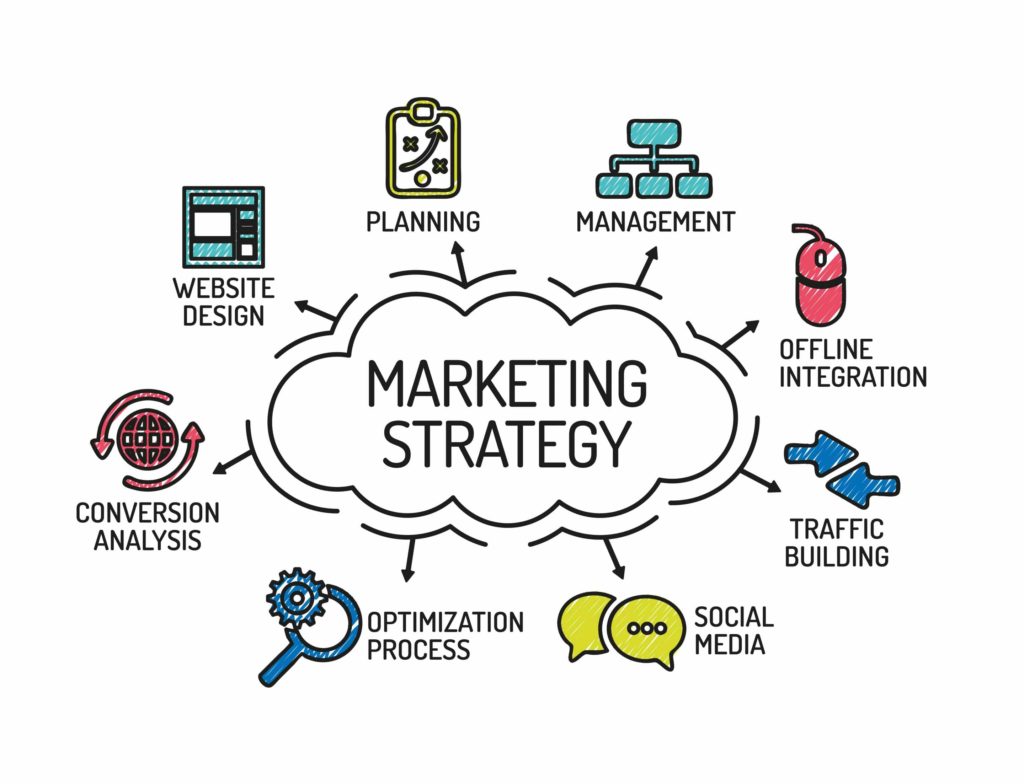
Get FREE Marketing Tips So You Can Grow Your Online Business
Check Out Our Latest Posts
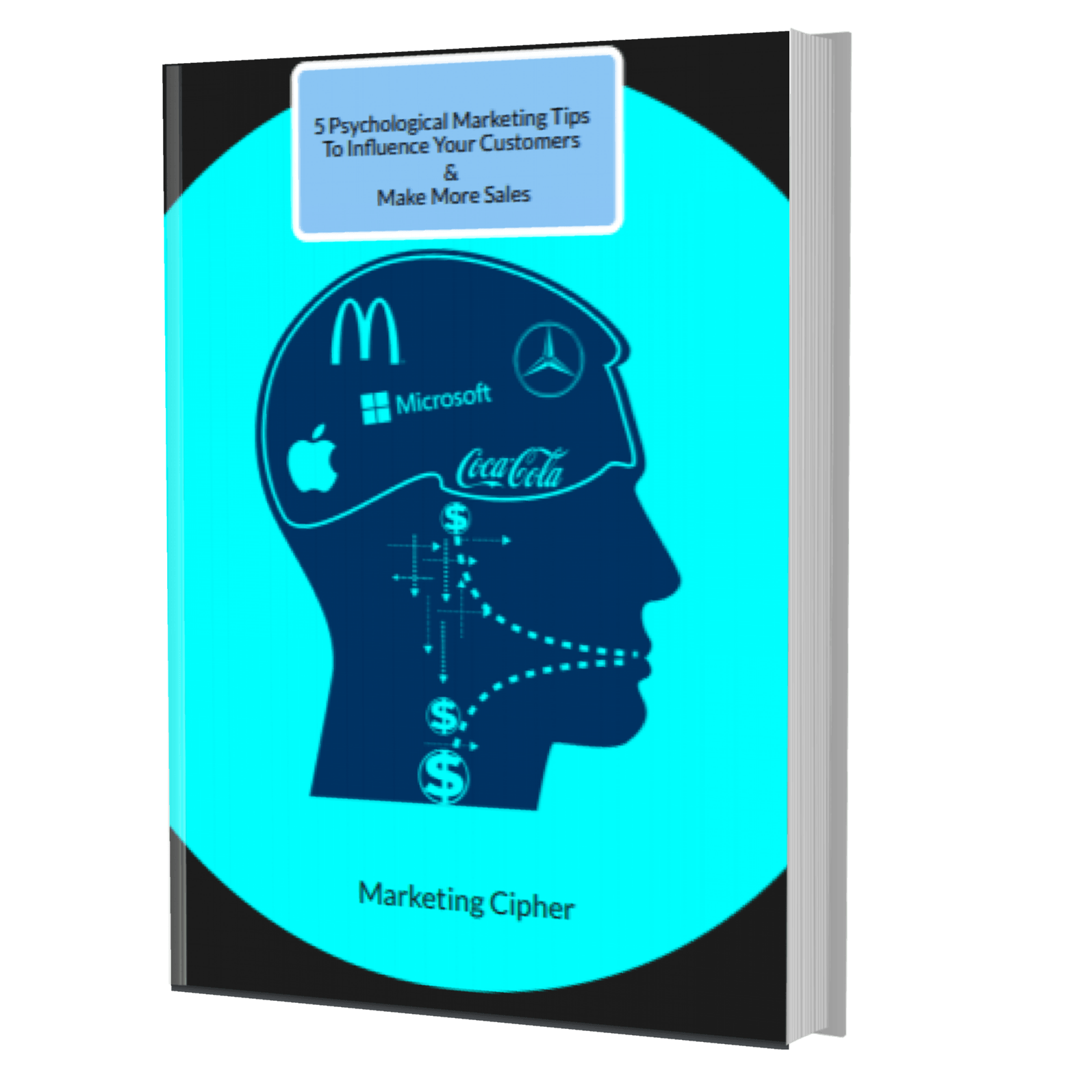
Get Your FREE Gift
"5 Psychological Marketing Tips To Influence Your Customers & Make More Sales"
Download This Free e-book To Learn How To:
Want More Leads, Traffic, & Sales?
Sign Up For Free Tips & Boost Your Results Now!