
Sign Up For Free Tips So You Can:
Creating a One-Page Sales Plan That Keeps Your Content on Track
A busy marketing calendar can quickly become a collection of disconnected blog posts, social updates and emails. A one-page sales plan gives every piece of content a job, a target audience and a clear path towards revenue.
The goal is not to predict every detail of a campaign. It is to create a practical reference that keeps your copywriting, lead generation and conversion activity aligned when priorities change.
For Australian businesses, this approach is especially useful. Your plan may need to account for Australian Eastern, Central and Western time zones, EOFY promotions, public holidays, seasonal buying patterns and the difference between selling to Sydney professionals and regional customers.
A concise sales map also helps small teams make sharper decisions. Whether you run a local tradie business, an online shop or a B2B service, you can use it to connect content ideas with offers, email follow-up and measurable commercial outcomes.
Start With One Commercial Objective
Begin the page with one primary sales objective. Choose a result such as generating 30 qualified enquiries, selling a specific package or increasing bookings for a seasonal service. Avoid listing every possible ambition, because competing priorities make content harder to direct.
Write the objective in a specific format: “Generate 40 quote requests for residential solar installations during September.” This gives your content team a defined audience, timeframe and conversion event.
Australian buying behaviour often changes around local conditions. A landscaping company in Brisbane may focus on storm preparation, while a Melbourne retailer may build content around winter purchases. Your objective should reflect the actual market window rather than a vague annual target.
Define The Audience And Buying Problem
Describe the audience in plain language, including their situation, motivation and likely objection. “Australian café owners who need a reliable POS system before the summer rush” is more useful than “small business owners”.
Then state the problem your offer solves. This becomes the foundation for blog topics, sales emails, landing-page copy and social content. If customers worry about cost, include comparisons and return-on-investment examples. If they lack confidence, publish demonstrations, case studies and clear explanations.
Use language your market recognises. An Australian audience may respond better to “a straightforward quote” or “a practical fix” than inflated claims about revolutionary transformation. Familiar wording can make a sales message feel more credible.
Connect Content To The Sales Journey
Your one-page plan should show how prospects move from attention to action. Divide content into three practical stages: attract, build trust and convert.
Attracting content might include search-focused articles, short videos or local guides. Trust-building content can feature testimonials, product comparisons, FAQs and behind-the-scenes evidence. Conversion content should address the final hesitation and make the next step obvious.
For a product launch, map the email activity alongside the articles and social posts. A well-timed launch email sequence can introduce the offer, handle objections and create a reason to act before the campaign loses momentum.
| Sales stage | Content purpose | Useful formats | Main measure |
|---|---|---|---|
| Attract | Reach relevant prospects | SEO articles, reels, local guides | Visits and new subscribers |
| Build trust | Explain value and reduce risk | Case studies, FAQs, comparisons | Engagement and replies |
| Convert | Prompt a commercial action | Sales page, offer email, consultation page | Leads, sales or bookings |
| Retain | Encourage repeat business | Onboarding emails, tips, loyalty content | Repeat purchases and referrals |
Give Every Topic A Clear Job
A strong content plan does not begin with a long list of random ideas. For each topic, record the audience stage, core message, call to action and related offer. This prevents a useful article from ending without a logical next step.
For example, an article about reducing business energy costs could link to an energy audit, invite readers to download a checklist or encourage them to book a consultation. The content earns attention, while the call to action moves the reader closer to a sale.
Niche publishers can apply the same logic. A responsible gambling information article, such as online gokken tips, should be matched with a clearly defined audience, relevant search intent and careful compliance wording. The commercial path must suit the subject instead of being added as an afterthought.
Add Deadlines, Owners And Measures
A plan becomes operational when it includes dates and responsibility. Assign each content asset an owner, production deadline, publishing date and review date. This makes it easier to spot bottlenecks before a campaign stalls.
Include key Australian calendar events where they genuinely affect demand. EOFY can matter to accountants, software providers and business equipment sellers, while school holidays may change response rates for family services. Local events in Sydney, Perth or Adelaide can also provide timely angles for location-based campaigns.
Choose one primary measure for each asset. An educational article may be judged by qualified organic visits and email sign-ups, while a product email may be measured by sales or revenue per subscriber. Avoid using page views as the only success signal when the commercial aim is lead generation.
Review The Page Before Publishing
Schedule a short weekly review to compare the plan with actual results. Look for content that attracts the wrong audience, offers that receive attention but few conversions, and emails that produce replies or sales.
When a topic performs well, extend it into related formats. A high-performing article can become a short video, a downloadable checklist, a customer email and a sales-page section. This creates efficient content repurposing without losing the original commercial focus.
External expertise can help when your team needs a clearer acquisition system. For example, marketing support may be useful when you need help connecting paid traffic, landing pages and conversion tracking across a growing campaign.
Keep the document to one page by removing detail that belongs in a separate brief. The page should answer five questions at a glance: who you want, what they need, what you are selling, what content will move them forward and how success will be measured.
Use this framework to create your own sales plan, then turn the clearest priority into a focused publishing schedule. For practical marketing guidance, download the free ebook and join Marketing Cipher’s email list for copywriting, consumer psychology and conversion ideas you can apply to your next campaign.
Expert Marketing Tips & Tricks
We will share with you the latest tips and tricks from proven marketing experts:
- Dominate your target market
- Write powerful sales copy that converts
- Learn traffic secrets to attract unlimited leads
- Create Irresistible offers
- Grow your email list
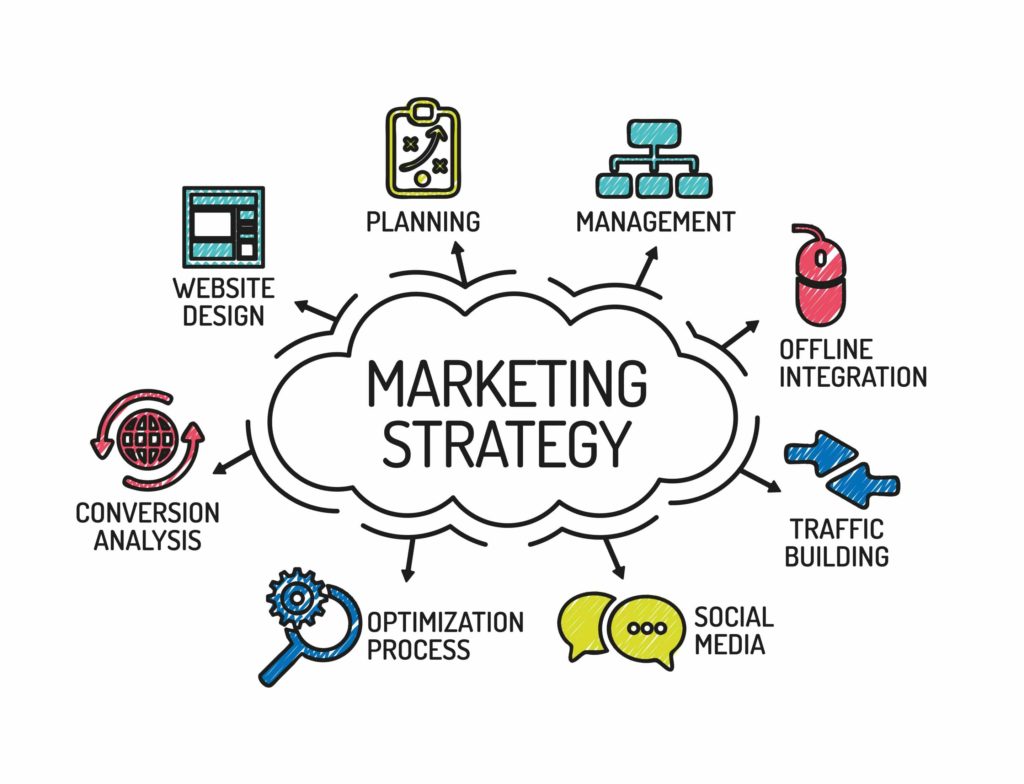
Get FREE Marketing Tips So You Can Grow Your Online Business
Check Out Our Latest Posts
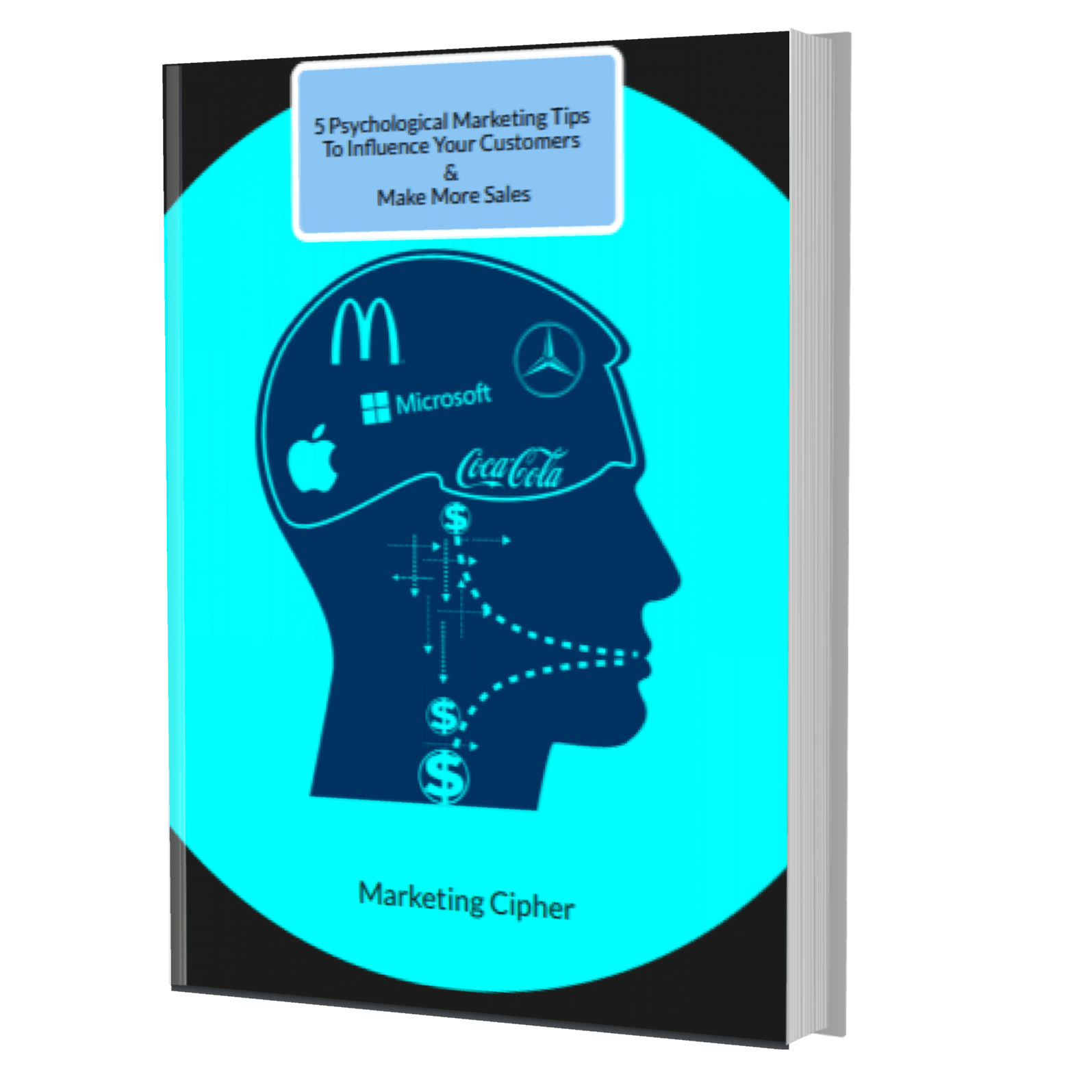
Get Your FREE Gift
"5 Psychological Marketing Tips To Influence Your Customers & Make More Sales"
Download This Free e-book To Learn How To:
Want More Leads, Traffic, & Sales?
Sign Up For Free Tips & Boost Your Results Now!