
Sign Up For Free Tips So You Can:
Create a product launch contest that builds your list fast
A product launch contest can transform launch attention into a permission-based audience for your business. Unlike a generic giveaway, a well-designed contest asks people to complete a meaningful action, giving you a reason to collect their details and continue the conversation.
A strong campaign combines a relevant prize, an achievable challenge, a clear deadline and a deliberate email follow-up. Visitors complete the task, opt in to receive launch information and then move into a sequence that builds interest before the product goes live.
For example, a software business could offer twelve months of premium access to people who complete a ten-minute launch planner and share their main goal. Sydney and Melbourne customers can enter from any device, while the campaign itself reaches buyers across Australia.
Choose a prize that attracts the right buyers
The prize should feel closely connected to the product rather than attracting bargain hunters with no interest in what you sell. An Australian business might offer a $500 AUD store credit, a premium product bundle or a year of priority service. Display consumer prices in Australian dollars and make the GST-inclusive amount clear.
Scarcity can make the offer more compelling, but it must be genuine. Limit places to a specific number of beta users or launch-day bonuses, publish the closing time in AEST and explain how winners are selected. A prize that supports the actual launch is more valuable than an unrelated television or appliance.
Turn the launch into a skill-based challenge
Give entrants a task that takes minutes rather than hours. They might design a product name, choose a preferred colour, complete a product-use tutorial or submit a short prediction about the launch. The task should be easy to explain on a mobile screen and worth discussing with potential buyers.
A Melbourne coffee roaster, for instance, could ask customers to identify the origin of a coffee from flavour notes and submit their answer. The landing page needs a scroll-stopping hook that immediately communicates the prize and challenge. Clear examples, realistic customer entries and visible judging criteria add confidence.
Build an ethical, low-friction entry journey
Keep the entry page focused on one action. Ask for the minimum information required, present the privacy notice clearly and avoid pre-ticked marketing consent boxes. Under Australia’s Spam Act 2003, commercial emails generally require consent, a clear sender identity and a simple way to unsubscribe.
The process can still apply reciprocity and commitment: provide something useful before requesting personal information. Let entrants complete the challenge first, then explain what they will receive, when it will arrive and how their email address will be used.
Publish complete terms before entries open, including eligibility, dates, prize allocation, judging criteria and a no-purchase-necessary statement where applicable. If the promotion depends on chance rather than skill, check the current permit requirements in New South Wales, Victoria and Queensland before publishing.
Compare contest formats that grow qualified lists
Different formats create different levels of intent. Choose the mechanism that matches your product and the information your sales team needs.
| Contest format | Entrant action | List quality | Speed | Main consideration |
|---|---|---|---|---|
| Skill challenge | Complete a task or quiz | High | Fast | Clear judging criteria |
| Launch poll | Choose a name, colour or feature | Medium | Very fast | Broader but less targeted audience |
| Prediction entry | Forecast a launch outcome | High | Fast | Must be easy to verify |
| Customer showcase | Submit a photo or user story | Medium to high | Medium | Requires permission and moderation |
| Referral challenge | Invite verified contacts | Variable | Medium | Fraud and spam controls |
A hybrid format often performs best: use a short poll to generate participation, then ask entrants to complete one deeper task for access to the prize. Track each entry source so you can compare opt-in rates, completed challenges and eventual purchases rather than judging success by email count alone.
Use proof and follow-up that builds trust
Contestants will want evidence that their entry matters and that the prize is genuine. Publish specific results, such as customer quotations, response times or before-and-after case studies, without presenting hypothetical results as finished outcomes.
After the contest closes, announce the winner, deliver the prize and continue communicating with every entrant who consented. Send a useful pre-launch sequence containing product education, frequently asked questions and an early-access offer. This turns a temporary competition into a structured sales opportunity for the new product.
Prepare the offer, promotion and follow-up
A documented campaign is easier to improve and far less likely to miss a legal or technical requirement.
Offer and promotion
- Set one primary goal: qualified email opt-ins from the campaign page.
- Publish the prize, terms, closing date and judging method before promotion starts.
- Schedule social posts, partner announcements and email reminders around one clear deadline.
Follow-up and measurement
- Tag every entrant by source, challenge completed and consent status.
- Prepare a three-email sequence covering value, launch details and the sales offer.
- Compare opt-in rate, contest completion, unsubscribe rate and revenue after launch.
Test the entry form on mobile devices, send each automated email to a personal address and confirm that consent records can be exported or accessed later. Keep the data available to your CRM so the campaign team and sales team work from the same information.
Turn contest momentum into launch sales
A practical campaign can run for four weeks: one week for preparation, two for promotion and entries, and one for judging, prize delivery and launch follow-up. Build the email sequence in advance so new subscribers receive useful information without waiting for manual outreach.
Segment entrants according to their behaviour. People who completed the full challenge can receive early product access, while less engaged subscribers can receive general launch information and proof. Remove customers who unsubscribe rather than continuing to target them, keeping the list healthier and improving deliverability.
Download the free ebook and join Marketing Cipher’s email list for practical marketing advice, then define your prize, challenge, consent language and follow-up sequence before publishing your contest.
Expert Marketing Tips & Tricks
We will share with you the latest tips and tricks from proven marketing experts:
- Dominate your target market
- Write powerful sales copy that converts
- Learn traffic secrets to attract unlimited leads
- Create Irresistible offers
- Grow your email list
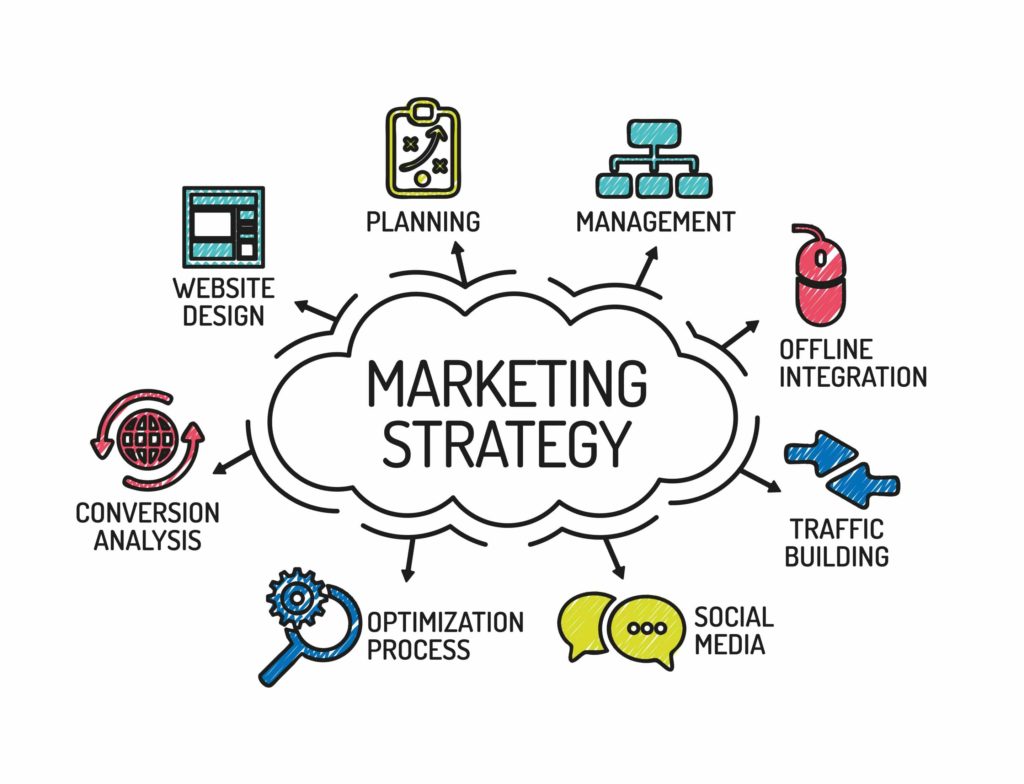
Get FREE Marketing Tips So You Can Grow Your Online Business
Check Out Our Latest Posts
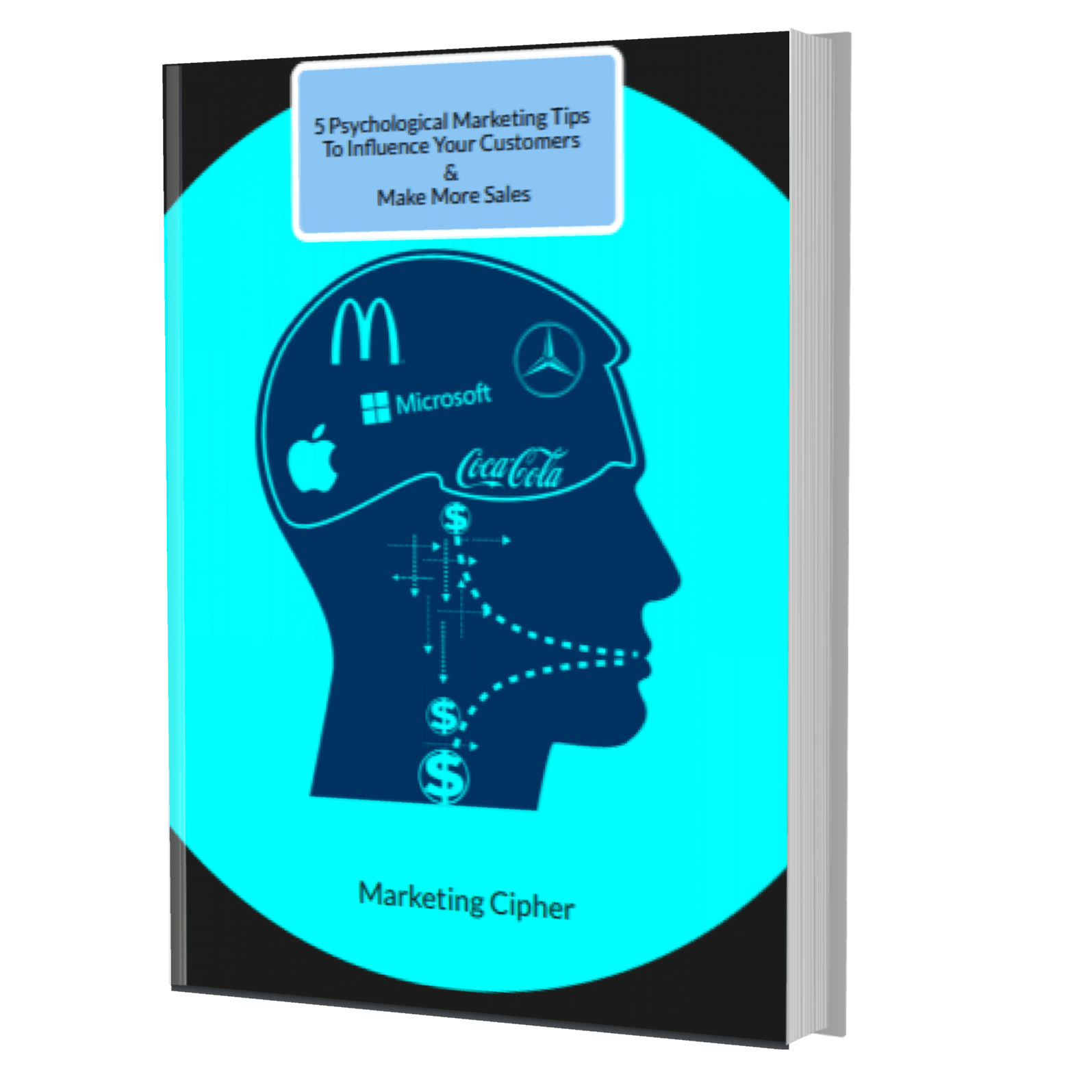
Get Your FREE Gift
"5 Psychological Marketing Tips To Influence Your Customers & Make More Sales"
Download This Free e-book To Learn How To:
Want More Leads, Traffic, & Sales?
Sign Up For Free Tips & Boost Your Results Now!