
Sign Up For Free Tips So You Can:
How to Build an Email Swipe File That Trains Your Copywriting Eye
An email swipe file is more than a folder of eye-catching subject lines. It is a working record of how brands attract attention, build trust and prompt action. Think of it as a copywriter’s reference library for studying structure, tone and persuasion without copying another marketer’s words.
A Sydney florist, a Melbourne coffee roaster and a Brisbane fitness studio may sell different things, yet their emails can reveal common techniques. Look beyond the offer to see how each email opens, handles objections and closes. The goal is a collection you can revisit, compare and use to sharpen your own judgement.
Begin with a collection system
Start with a simple, searchable home: a Google Doc, Airtable base or Notion page works well. Save complete emails where possible, including the subject line, preview text, offer, proof and button wording. Add a short note explaining why you saved each example.
Tag every message by industry, audience, campaign goal and the element you want to study. Separate subject lines from body copy, calls to action and layout examples so one email cannot overwhelm your notes. Consistent labels make patterns visible when you return months later.
Begin with twenty or thirty examples, mixing established brands with newsletters you genuinely enjoy. Include at least three campaigns from each category you want to understand. A wider comparison beats a single “winner”, because it reveals which choices repeat across different audiences.
Read the anatomy of each email
Read each email in layers. First, mark the promise in the subject line and preheader, then identify the opening sentence, proof, objection handling and final action. Write the skeleton without the original wording. That structure shows how the email moves attention towards a decision.
Next, inspect hierarchy on a phone. Where does the eye land first? Does one clear button compete with several links? Australian audiences often skim while commuting, so a readable first screen matters. Reproduce the hierarchy, not every pixel, and keep examples that guide the reader smoothly towards one action.
For wider industry context, explore the material from ICMCI 2019 alongside your email notes. Compare how a campaign objective shapes its message, then record which principle transfers to your own niche rather than which phrase feels impressive.
Study the persuasive decisions
Persuasion becomes easier to spot when you separate trigger from promise. A customer might respond to urgency, a useful outcome, a credible story or reduced risk. Note the mechanism beside each example: does the offer create genuine scarcity, clarify a choice, or make inaction feel costly?
Specific language builds trust. “Handmade in Melbourne” carries more force than “crafted with care”, provided the claim is accurate. Test whether prices appear in Australian dollars, whether GST details are clear and whether the promise matches the landing page. Precision gives a reader fewer reasons to hesitate.
Once you can explain why an email works, apply the principle to a longer format. This traffic-driving listicle guide shows how headlines, curiosity and useful structure work together. Save those patterns beside your email examples and compare how each format earns the next click.
Build a deliberate daily practice
Use a fifteen-minute close-reading routine. Choose one email, hide the body, reconstruct its structure from the preview and button, then check your version against the original. Finish by rewriting the opening line for a different audience. This turns observation into a deliberate skill.
Keep a practice page with three parts: a pattern noticed, a principle explained and a line rewritten. Plain, friendly Australian English often works better than corporate filler. Remove inflated claims, vague benefits and unnecessary qualifiers, then read the copy aloud to catch any rhythm that feels forced.
A short talk from TEDx Flint offers the same kind of training. Notice how the speaker frames one idea, supports it with a memorable detail and gives the audience a clear next step. Transfer that attention to an email, then test whether your version is equally focused.
Keep the file ethical and current
A useful library must also be responsible. Under Australia’s Spam Act, commercial electronic messages generally require consent, a clear sender identity and a working unsubscribe route. Store the permission source and date with each campaign, and check that your sign-up process explains what subscribers will receive.
Save the principle, not paragraphs ready to paste. Plagiarism can damage a brand, and borrowed wording can misfit its voice. Your file should help you spot a useful mechanism and create original language for a specific reader. A clean rewrite also makes your own contribution easier to recognise.
Review the collection monthly. Mark expired offers, update notes after campaigns and archive examples with poor results. Measure clicks, replies and conversions rather than relying on open rates alone, since privacy features can distort opens. The aim is a living reference base, not a digital cupboard of outdated inspiration.
Turn collection into a working habit
Turn collecting into a routine that produces something. At the end of each review, create one brief: audience, problem, promise, proof and action. Draft from that brief without opening the saved emails. Then compare your work with the references and adjust one deliberate choice.
For ongoing training, subscribe to Marketing Cipher’s email advice for practical material on copy, offers and conversion. Keep the free guidance close to your practice page, and use each new idea to improve the next brief rather than adding another disconnected note.
Open a new document today, name it after your business and add three emails you admire. Give every example a tag and a one-sentence reason. Schedule fifteen minutes tomorrow to begin your first close reading, then make your next campaign the latest case study in your file.
Expert Marketing Tips & Tricks
We will share with you the latest tips and tricks from proven marketing experts:
- Dominate your target market
- Write powerful sales copy that converts
- Learn traffic secrets to attract unlimited leads
- Create Irresistible offers
- Grow your email list
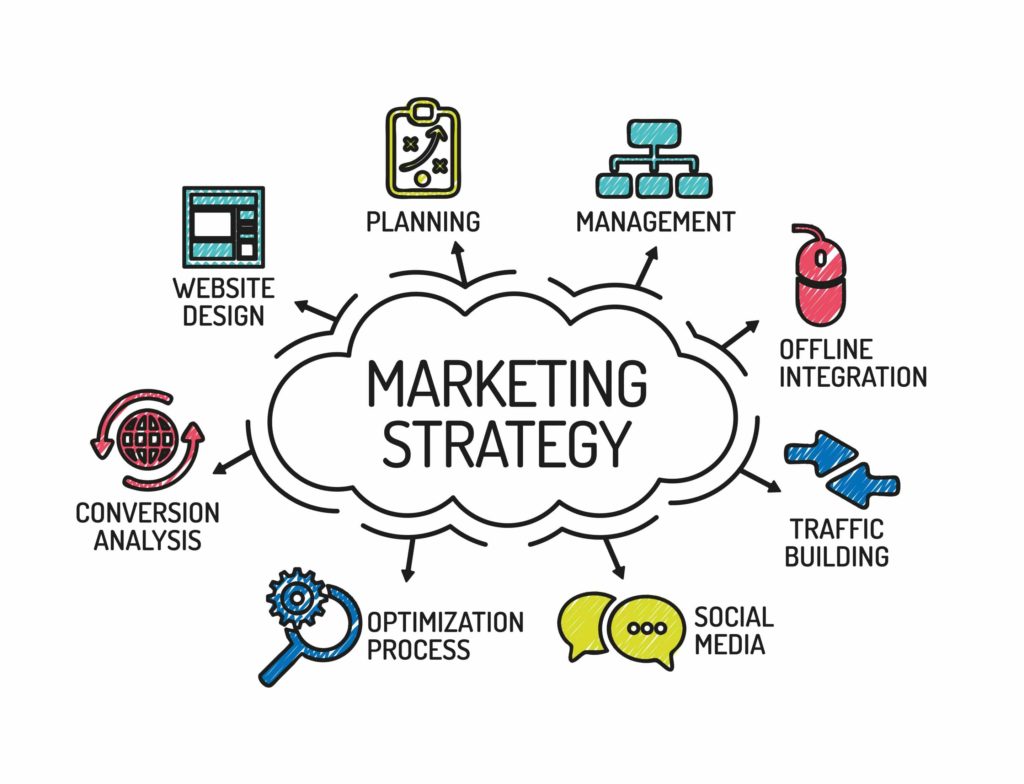
Get FREE Marketing Tips So You Can Grow Your Online Business
Check Out Our Latest Posts
Get Your FREE Gift
"5 Psychological Marketing Tips To Influence Your Customers & Make More Sales"
Download This Free e-book To Learn How To:
Want More Leads, Traffic, & Sales?
Sign Up For Free Tips & Boost Your Results Now!