
Sign Up For Free Tips So You Can:
Build A Free Mini-Course That Brings Visitors Back
Every Australian business eventually hits the same traffic squeeze: paid clicks cost more each quarter, organic reach slides, and the audience you fought for drifts away the moment the sale ends. A free mini-course answers that by giving something genuinely useful away in exchange for an email address, then staying in touch for months afterwards.
A mini-course is a short sequence of lessons — usually three to five — delivered by email, a hosted page, or both. It sits between a single lead magnet and a paid course. The participant commits to a small amount of learning, gets a real outcome, and comes back for the next session. Each lesson ends with a reason to return, which is where repeat traffic begins.
The model suits Australian brands because audiences here guard their inboxes and spot recycled content instantly. Specific, well-structured teaching earns attention that a downloadable checklist never will. Local voice matters too: a Canberra coach, a Melbourne café and a Gold Coast retailer can run the same framework and still sound like they belong to their own streets.
Why a mini-course beats a one-off ebook
An ebook is delivered once and usually read once. A mini-course is a series of scheduled events: a welcome email, lesson two on day three, lesson three a week later. Every touchpoint has one job and one measurable action. The subscriber relationship becomes a sequence rather than a transaction, which is what keeps people opening your emails months later.
Each module can also live as its own optimised page targeting a specific search intent, so the material keeps pulling visitors long after the campaign stops. That compounding, evergreen search traffic is the second return on content you already produced.
Quality matters too. Someone who finishes three lessons has shown real interest, so they are far more likely to buy later than a person who grabbed a PDF and vanished. You gain a subscriber today and a warmer buyer next quarter.
Pick one narrow problem worth solving
Choose a topic so specific that a stranger can tell it was written for them. "How a Newcastle fitness studio fills weekday 6am classes" is sharper than "marketing tips for gyms". "How a Sydney bookkeeper handles GST on digital products" beats "finance for small business". Narrow signals competence, and narrow topics are easier to rank for.
Validate before you build. Check what people type into Google, scan reviews and forums for recurring complaints, and listen to sales calls for the same three objections every week. Australian phrasing gives you material too: searchers mention "arvo", "EOFY" and "fair dinkum" pricing in ways American copy never reflects.
Write for one reader at a time. Compare your lesson with a page that walks Dutch players through casino self-exclusion options, which tells one person exactly what to do next without waffle. A lesson should be just as concrete: one promise, one step, one result. Check claims against the Australian Consumer Law, since misleading outcomes are a legal risk as much as a reputational one.
Build the lessons and the opt-in page
Structure every module around one idea, one action and one outcome. Keep reading and video under eight minutes, because many Australians finish a lesson on a phone during a tram ride or while a drive-through coffee brews. Deliver each lesson by email and publish it as a page, so learners get it wherever they are.
The sign-up page is the hinge. State what they receive, how many emails arrive, how long the course runs and how to leave whenever they want. A visitor deciding whether to hand over an inbox address wants proof the course is short, practical and free. Clear value exchange beats clever headlines every time.
Design the emails like a small sales team. The principles described on levers of persuasion apply directly: a free lesson creates a low-risk first commitment that makes a later purchase feel natural. Test subject lines and send times rather than guessing. Stay lawful, too — under the Spam Act 2003 commercial email needs consent, a clear sender identity and a working unsubscribe link, and you should keep records of what each subscriber agreed to.
The parts that earn repeat visits — and the parts to skip
Some elements do the heavy lifting:
- A welcome email that sets expectations and delivers lesson one immediately
- Three to five short modules, each ending with one action the learner takes
- A short quiz or self-check that tailors what arrives next
- A closing email offering one relevant next step, based on their answers
Some elements quietly cost you trust:
- A forty-page ebook bolted onto a welcome email instead of a real course
- Quizzes with no logic behind the answers, so nothing personal follows
- Discount offers unrelated to the subject of the lessons
- Sales emails that begin before the learner has finished lesson one
This contrast is the point. A mini-course earns its keep through sequence, not volume, and each email must follow from the last. When a subscriber has just finished a module on pricing, the natural next message is a calculator or a pricing guide, not a clearance sale. Relevance is what turns a one-time opt-in into a returning visitor.
Launch yours and keep the traffic coming
Measure the machine as you run it: opt-in rate, lesson completion, open rate, click-through and list growth. Notice when your audience reads. Australians often check email on the commute or at their desk in the arvo, and a business spread across Sydney, Brisbane and Perth gains by sending around mid-morning in each local time zone. Fix the weakest link each month rather than adding more lessons.
The loop is simple. Every new subscriber produces more replies, shares and mentions, and every published module attracts fresh visitors who opt into the next one. That is how a regional food supplier or a small retailer competing with Woolworths and Coles can generate steady traffic without buying another advertisement.
Start with the framework: pick one narrow problem, write lesson one today, and put the sign-up page live this week. For templates, a free ebook and a practical weekly briefing on leads, email and conversion strategy, Marketing Cipher has the resources ready to use.
Expert Marketing Tips & Tricks
We will share with you the latest tips and tricks from proven marketing experts:
- Dominate your target market
- Write powerful sales copy that converts
- Learn traffic secrets to attract unlimited leads
- Create Irresistible offers
- Grow your email list
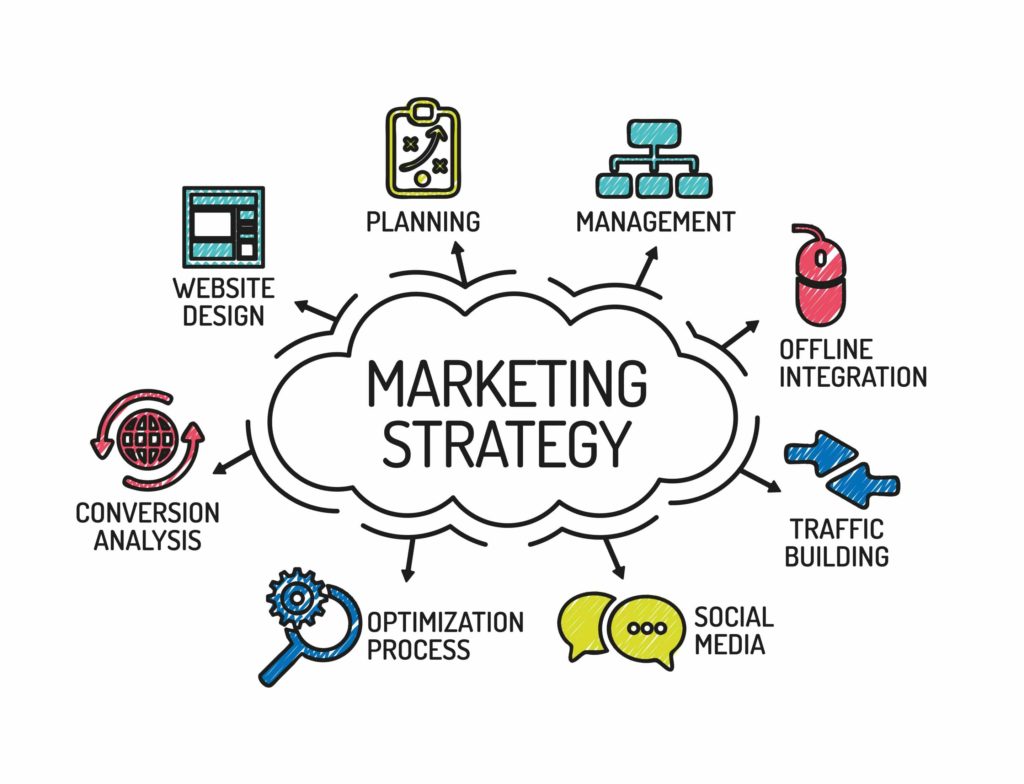
Get FREE Marketing Tips So You Can Grow Your Online Business
Check Out Our Latest Posts
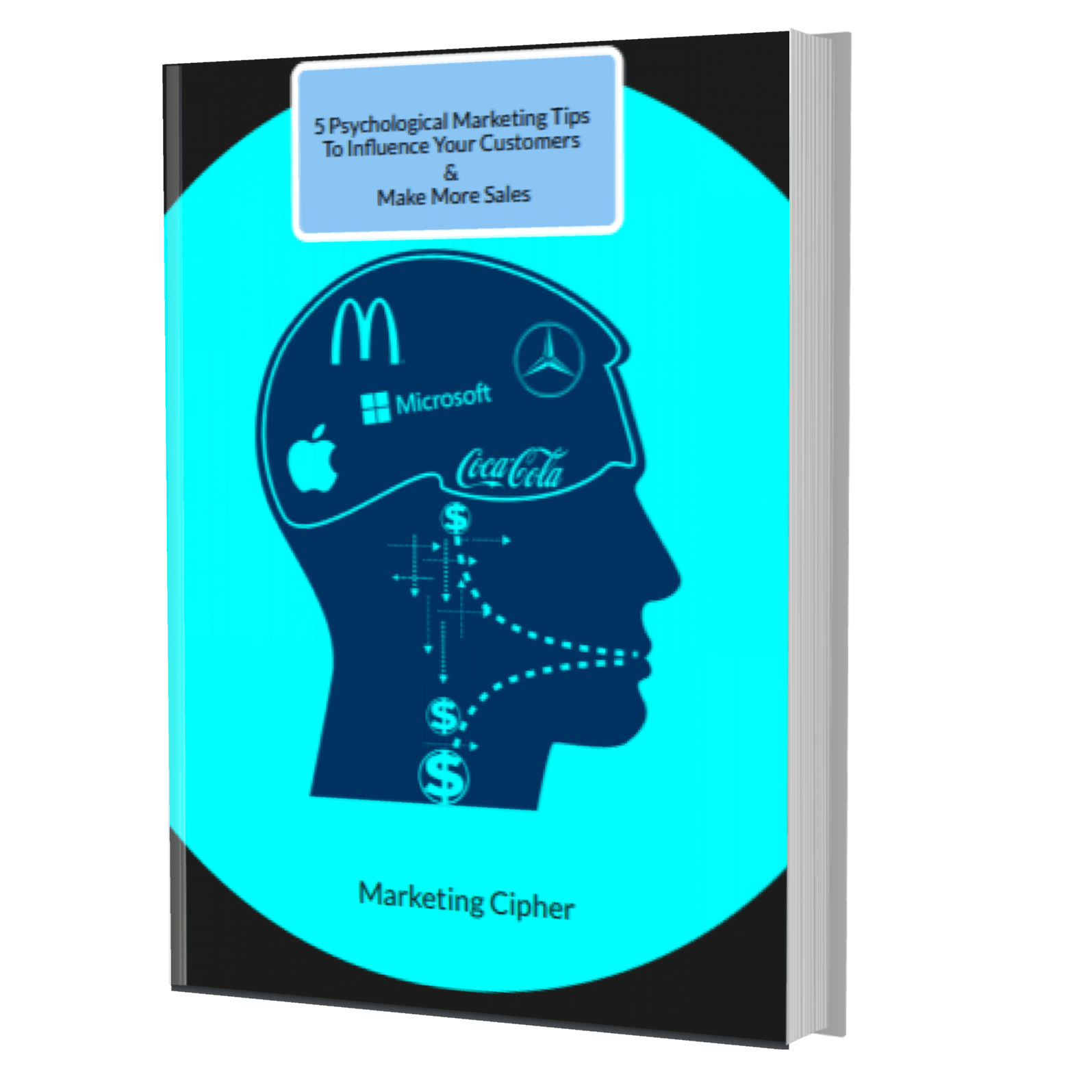
Get Your FREE Gift
"5 Psychological Marketing Tips To Influence Your Customers & Make More Sales"
Download This Free e-book To Learn How To:
Want More Leads, Traffic, & Sales?
Sign Up For Free Tips & Boost Your Results Now!