
Sign Up For Free Tips So You Can:
How to create a pre-launch campaign that builds anticipation
Australia's business scene moves quickly, and shoppers in Sydney and Melbourne now expect brands to tease what is coming well before a product lands. A well-planned pre-launch campaign turns curious onlookers into a waiting audience, ready to buy the moment doors open.
The challenge is balancing mystery with clarity. Give away too much and the reveal feels flat; reveal nothing and people scroll past. Australian audiences are savvy about fine print, particularly under the Australian Consumer Law, so any early promises must hold up when the product is finally available.
This guide walks through the practical steps for designing a pre-launch funnel that earns attention in the local market, from audience research to the final reveal.
Research your market before you build anything
The first job is figuring out who is actually waiting for what you are about to offer. In Australia, that means looking beyond the national average and paying attention to how each capital city behaves. Sydney might respond to convenience and design, while Brisbane buyers often look for value and durability, and Melbourne shoppers tend to weigh social proof heavily.
Spend a week gathering search data, scanning local forums, and reading customer reviews of similar products. Make a short list of three to five recurring frustrations your audience mentions. Those frustrations become the emotional hooks your pre-launch content will lean on.
Once you know the audience, sketch a simple profile: age range, income bracket, suburbs they live in, and the publications they read. Australians browse on mobile at one of the highest rates in the world, so make sure every preview looks sharp on a small screen first.
Craft a teaser sequence that stays curious
A teaser works when it offers a glimpse without answering every question. Think of it as a three-act story: hint at the problem, show the shape of the solution, then share the specifics. Brands that rush to the final act lose the tension that makes a launch exciting.
Build your teaser calendar around local moments that already carry attention. The lead-up to Christmas lands in summer here, so outdoor imagery feels natural. Australia Day, the AFL and NRL grand finals, and the end-of-financial-year rush each give your campaign a built-in hook.
Pair a short video clip showing the product in action with a single line of copy that asks a question rather than makes a claim. Curious visitors click through; bored ones keep scrolling.
If you want inspiration for how anticipation can be sustained over weeks, look at how lottery buzz campaigns use countdowns and second-chance draws to keep players engaged. The same rhythm translates well to product drops and service launches.
Grow a waitlist with real incentives
A waitlist is the engine room of any pre-launch campaign. The trick is offering an incentive that feels worth the trade of an email address. Australians are protective of their inboxes, so the reward needs to be obvious and immediate.
Avoid generic discounts as your only hook. Better options include early access, a free tool, a behind-the-scenes video, or a small physical gift. The reward should connect to the product, so the people who claim it are also the people most likely to buy later.
Incentive formats that earn the sign-up
- Early access delivered 24 hours before the public launch
- A free tool or template that solves one piece of the bigger problem
- A behind-the-scenes video showing how the product was built
- A small physical gift posted to the first 100 subscribers
Send waitlist members a short email every week or two. Each message should add value on its own, such as a tip, a stat, or a short case study. When launch day arrives, the list already trusts you, which lifts conversion rates well above cold traffic.
Tap local cultural moments for relevance
Pre-launch campaigns that ignore the local calendar feel generic, and generic campaigns are easy to ignore. Australia has a rhythm of its own, and tying your reveal to a familiar moment makes the brand feel rooted in the same world as the customer.
EOFY in June gives service businesses a natural opening for new offers. The spring racing carnival in Melbourne, or the surf season opening on the coast, can shift the visual mood of your campaign without changing the product underneath.
Australian calendar moments worth tying into
- The end of financial year in June, when business customers review spending
- The spring racing carnival across Melbourne and Adelaide
- Tax time communications that pair with bookkeeping or finance offers
- The start of summer and the Christmas retail window in December
Mind the small print as well. Under Australian Consumer Law, any headline promise made during the pre-launch phase becomes part of the implied contract once a customer purchases. Keep early claims conservative and verifiable.
Run a pilot through local channels
Before committing the full budget, run a small pilot with a slice of the audience. Pick one suburb, one channel, and one message, then measure the response over a fortnight. Sydney's Inner West or Brisbane's Fortitude Valley are good test beds because the populations are diverse and digitally active.
Use the pilot to test three things: which hook earns the click, which incentive earns the email, and which timing earns the share. A simple spreadsheet is enough to track results. The point is to learn quickly and adjust, not to build the perfect campaign on day one.
Pilot data also helps you forecast demand. If 200 people join the waitlist in one suburb over two weeks, you can scale that number across similar areas to estimate launch-day sales. Forecasting this way takes the guesswork out of inventory and staffing decisions.
Measure, tweak, then open the doors
The final stretch is where discipline matters most. Watch your email open rates, cost per lead, and social engagement daily during the pre-launch window. If any number drops for two days in a row, change the creative or the offer, then measure again.
Have a clear launch-day plan. Decide the hour, the email sequence, the social posts, and the customer service scripts in advance. A launch that looks calm on the outside usually reflects a launch that was organised well before the day arrived.
Once the product is live, keep gathering feedback and let it shape the next pre-launch cycle. Each campaign teaches you something new about your Australian audience.
For a deeper dive into launch funnels and the psychology behind anticipation, the team at Marketing Cipher shares practical guides and a free ebook that walks through real campaigns.
Expert Marketing Tips & Tricks
We will share with you the latest tips and tricks from proven marketing experts:
- Dominate your target market
- Write powerful sales copy that converts
- Learn traffic secrets to attract unlimited leads
- Create Irresistible offers
- Grow your email list
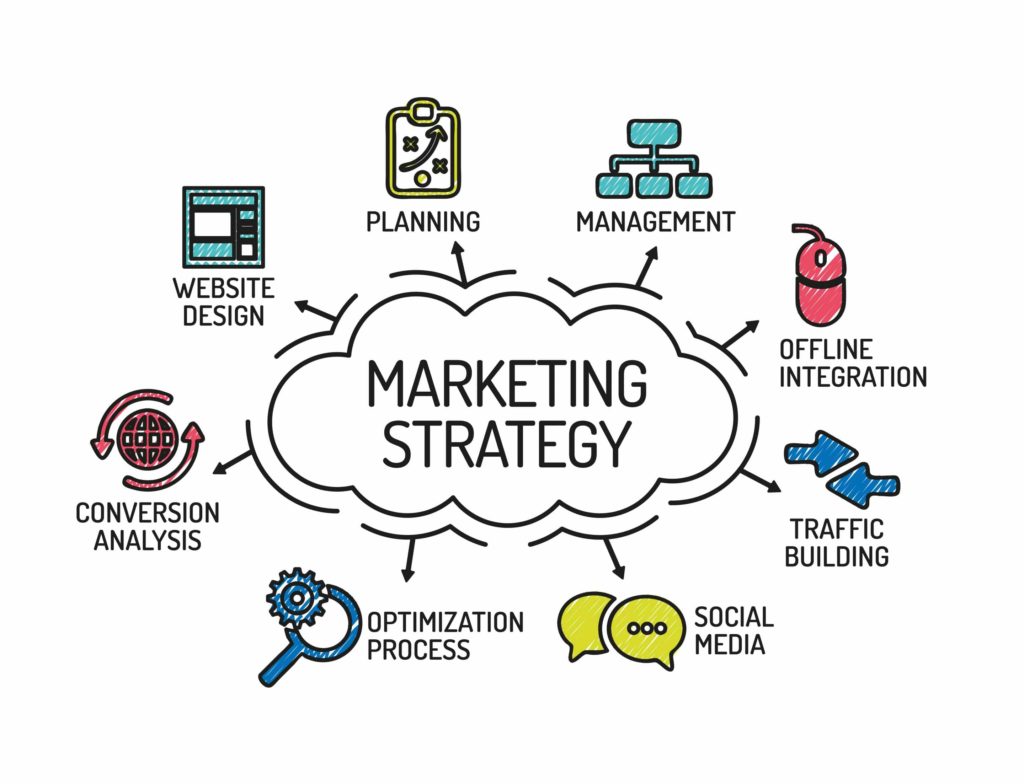
Get FREE Marketing Tips So You Can Grow Your Online Business
Check Out Our Latest Posts
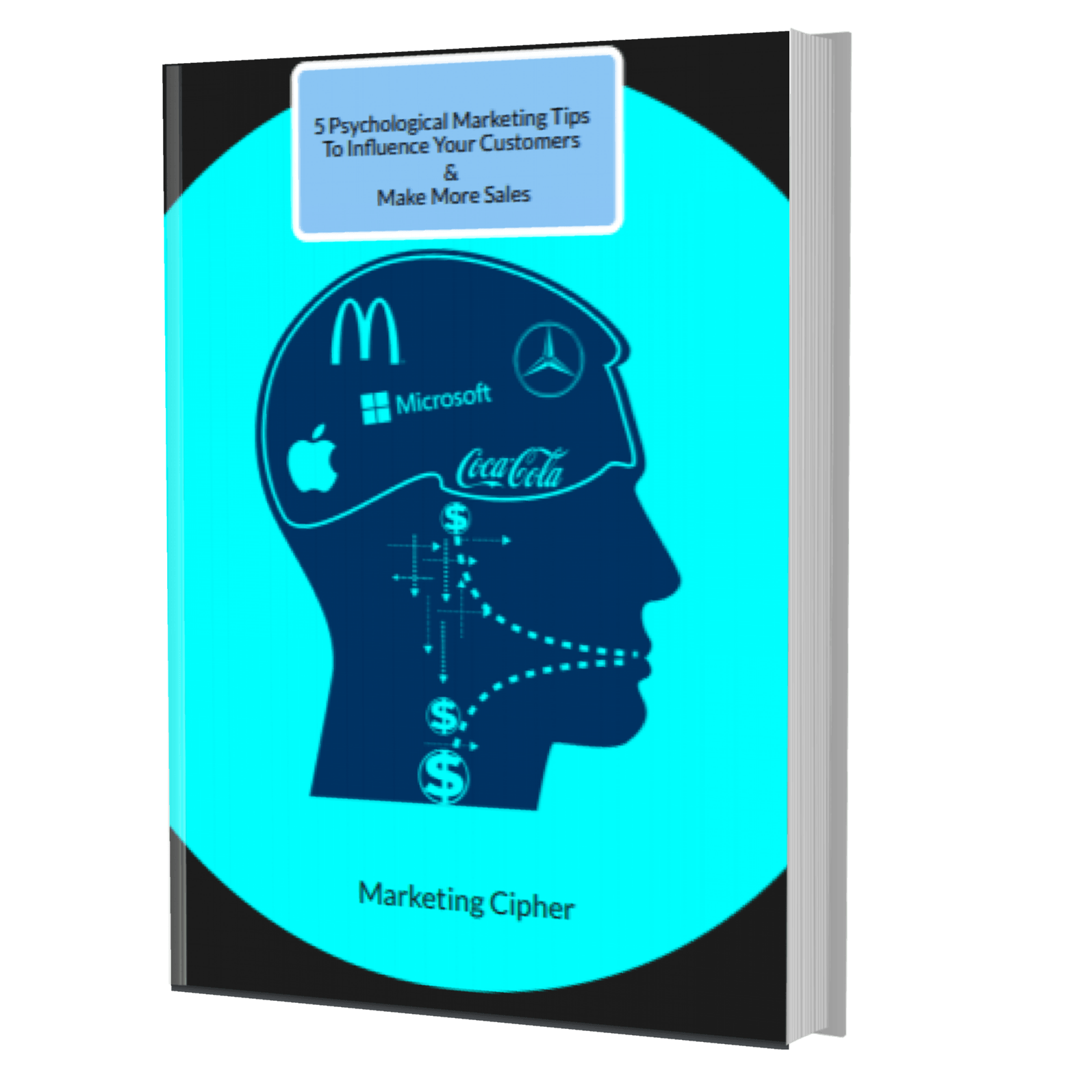
Get Your FREE Gift
"5 Psychological Marketing Tips To Influence Your Customers & Make More Sales"
Download This Free e-book To Learn How To:
Want More Leads, Traffic, & Sales?
Sign Up For Free Tips & Boost Your Results Now!