
Sign Up For Free Tips So You Can:
Making Premium Offers Feel Like the Obvious Choice
Running a service business in Australia comes with a familiar tension. You have built real expertise, your work delivers outcomes, but the moment you attach a high price to your offer, prospects go quiet. From Brisbane coaches to Melbourne brand strategists, the same pattern shows up again and again: the higher the ticket, the harder the traditional sales pitch tends to land.
Buyers for a premium offer are rarely impulse shoppers. They weigh decisions carefully, compare alternatives, and look for confidence rather than urgency. Pressure-driven tactics often trigger the opposite reaction, making the offer feel risky. When positioning is right, the price stops being the focus and becomes a reflection of the value being delivered.
Positioning is the quiet work that happens before any sales conversation. It shapes how a prospect sees your offer long before they speak with you. Strong positioning makes a buyer feel like they have already decided, leaving the sales call to confirm what they already sense.
This piece walks through practical ways to present a high-ticket offer so it sells itself through clarity and evidence. Below are seven approaches that replace the hard sell with a grounded, confident style suited to the Australian market.
Lead with the problem your buyer is already feeling
High-ticket offers almost always solve a painful, expensive, or persistent problem. Your first job is to describe that problem in language your buyer uses every day. If you are a tax advisor in Adelaide serving small business owners, the pain is rarely "accounting". It is the sleepless night before BAS is due, or the cash flow worry that surfaces every quarter under ATO pressure. When you describe the problem vividly, the prospect recognises themselves, and recognition is the first step toward believing your offer can help.
The mistake many businesses make is jumping straight to their method, credentials, or features. Premium buyers filter for relevance, not lists of accomplishments. A clear problem statement reframes your offer as the answer to something they already feel.
Anchor the price against the cost of doing nothing
Price is only meaningful relative to something else. A $5,000 coaching package sounds steep on its own. Compared with the revenue a Melbourne ecommerce store loses from a broken conversion funnel, it looks like a modest investment. Your job is to make the alternative cost visible without resorting to fear tactics.
You are not telling them to act. You are showing them a comparison they can draw themselves. Buyers who arrive at their own conclusion rarely feel sold to, even when the price is significant. Smart positioning treats the offer like a calculated bet, where the expected return on investment is clear long before the buyer signs anything.
Use social proof that speaks to local buyers
Generic testimonials rarely move the needle on a high-ticket decision. Australian buyers want proof from people who look and sound like them. A case study featuring a Perth tradie who doubled his margins will land harder with other tradies than a vague success story from an unnamed overseas client. Wherever possible, name the city, the industry, and the specific result.
Numbers carry weight too, but only when they feel honest and specific. Statements like "we helped twelve Queensland accounting firms add $40k in recurring revenue" outperform fluffy claims. Local proof also helps you stay onside with the Australian Consumer Law, which requires testimonials to be truthful and not misleading.
Structure your offer around outcomes, not features
Premium buyers pay for the change deliverables create, not the deliverables themselves. A website rebuild is a feature. A site that turns visitors into booked calls is an outcome. Every element of your offer should ladder up to the result the buyer wants.
Writing your offer copy in outcome-first language shifts how the price feels. The same package can read as expensive or essential depending on how its promises are framed. If you want to sharpen your framing further, this short guide can help you tighten every line so the outcome lands faster.
Remove pressure by giving buyers time and clarity
High-ticket decisions rarely happen in a single sitting. The hard sell tries to compress this natural timeline, which is exactly why it backfires. Instead, build your funnel so prospects can move at their own pace. Provide clear pricing on your site, send follow-up emails that answer the next obvious question, and let them revisit the offer a few times before committing.
Email is especially useful here, and it works best when the subject lines match what the buyer is wondering about. You can borrow proven formulas that trigger clicks so your messages get opened and read. Respecting your buyer's decision timeline is itself a form of positioning, signalling that you are confident enough not to chase.
Create a pre-qualification step that filters
Not every lead is right for a high-ticket offer. Trying to convince the wrong person wastes everyone's time and burns credibility. A short pre-qualification step, such as a discovery call, an application form, or a smart quiz, lets you filter out poor fits while making serious buyers feel more valued.
When the prospect sees that you turn some people away, your offer quietly becomes more desirable. Scarcity built through selectivity is far more sustainable than fake countdown timers. It also gives you a natural reason to ask qualifying questions before any pitch happens. Premium brands such as hotsauce drops have built loyal followings by combining limited availability with clear qualification, keeping demand high without hard-selling anyone.
Make the next step feel like the obvious move
Even a perfectly positioned offer stalls if the call to action feels abrupt or pushy. The strongest calls to action reflect the natural next step a buyer would take once they understand the offer. Instead of "Book now or miss this deal", try something that matches the buyer's intent, such as "see if this fits" or "ask the questions you still have". A short, calm prompt keeps momentum without forcing it.
Pair this with clear next steps in your confirmation emails and discovery call scripts. Every touchpoint should answer, "what would I do next if I were genuinely interested?". When the path forward is obvious, the buyer walks it on their own.
If you want a steady stream of practical tips on positioning, copywriting, and conversion, the free resources at Marketing Cipher can keep you sharp. Grab the free ebook and join the email list to get fresh strategies delivered to your inbox, and start turning your premium offer into something buyers feel lucky to find.
Expert Marketing Tips & Tricks
We will share with you the latest tips and tricks from proven marketing experts:
- Dominate your target market
- Write powerful sales copy that converts
- Learn traffic secrets to attract unlimited leads
- Create Irresistible offers
- Grow your email list
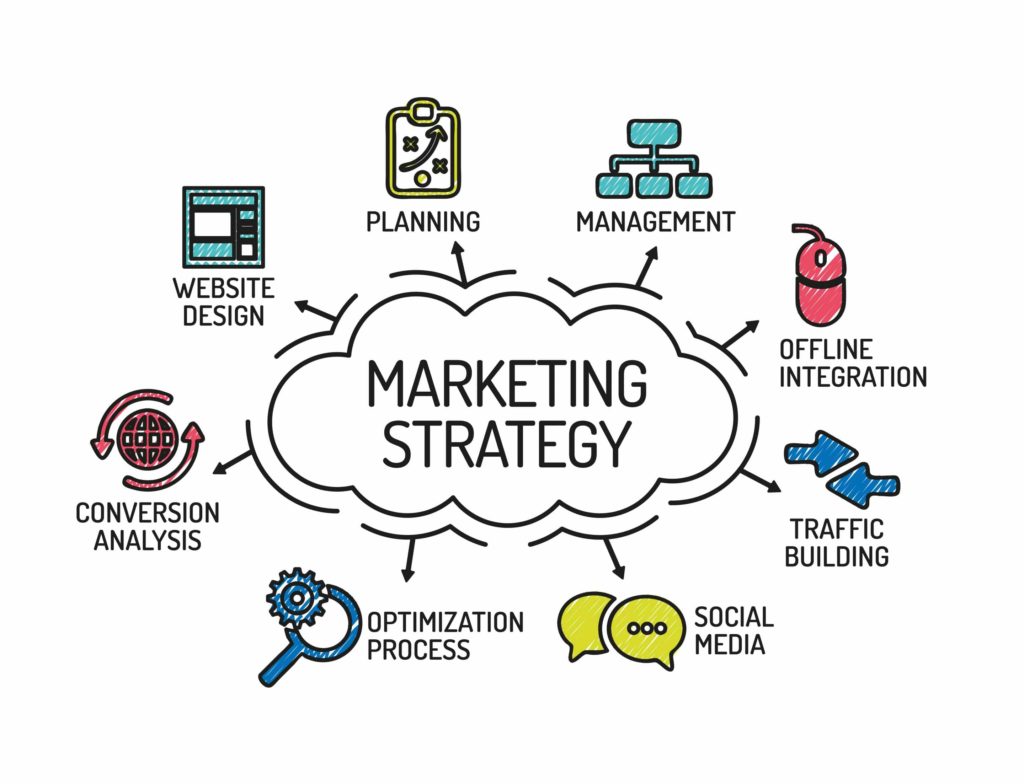
Get FREE Marketing Tips So You Can Grow Your Online Business
Check Out Our Latest Posts
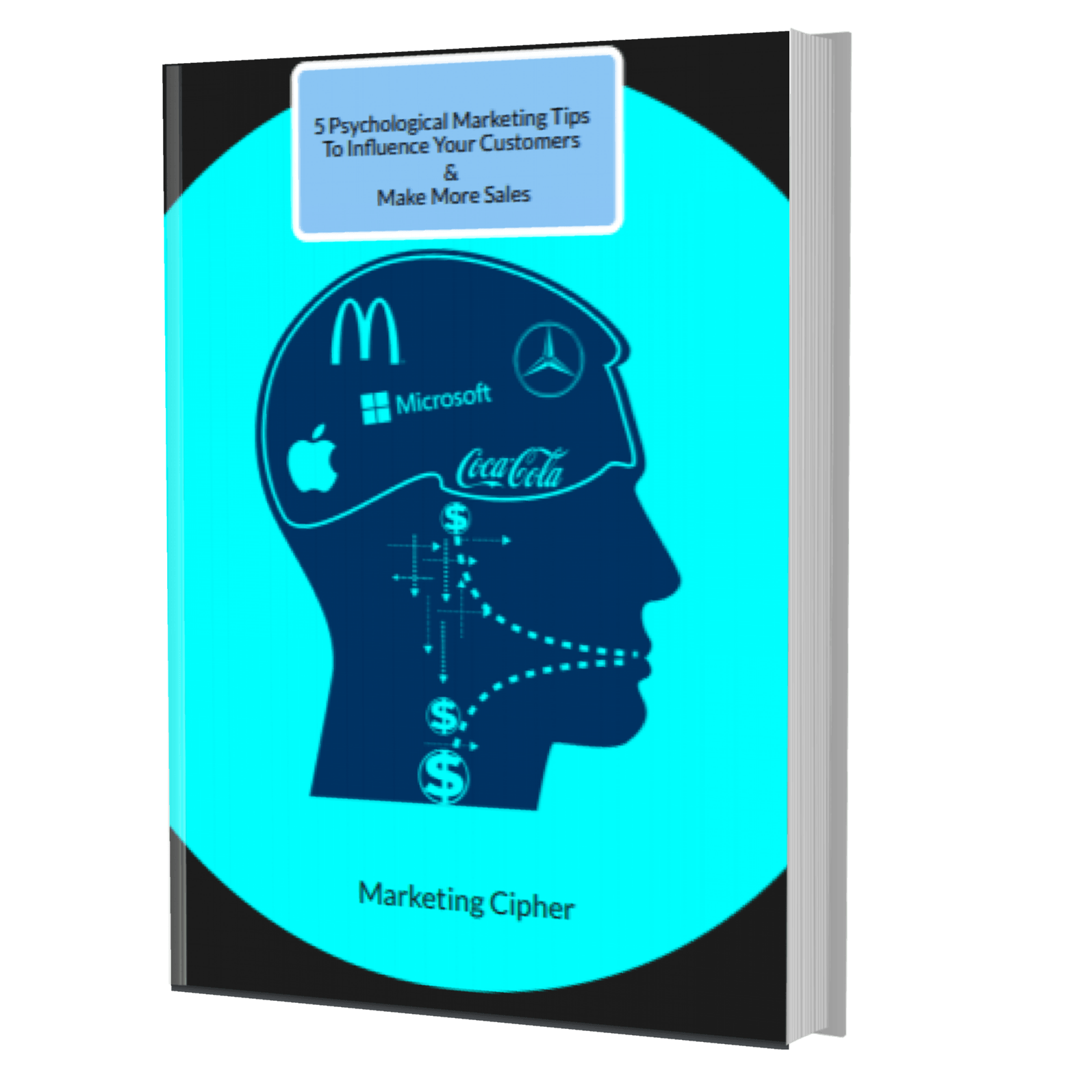
Get Your FREE Gift
"5 Psychological Marketing Tips To Influence Your Customers & Make More Sales"
Download This Free e-book To Learn How To:
Want More Leads, Traffic, & Sales?
Sign Up For Free Tips & Boost Your Results Now!