
Sign Up For Free Tips So You Can:
How to rank your product in comparison pieces without cold pitching
Australian shoppers frequently turn to comparison articles when a purchase feels risky or expensive. They scan best-of lists, product reviews and alternative options to narrow the field, then check prices, delivery, warranties and seller reputation before buying. That makes comparison publishing useful for lead generation without having to resemble a sales page.
Search engines also reward pages that answer purchase questions clearly and remain useful after the click. The goal of learning how to rank your product in comparison pieces without cold pitching is to earn attention with evidence, match the reader’s intent and gain the click because the recommendation genuinely fits.
Match the format to buyer intent
Begin with the decision the reader is trying to make. A “best products for beginners” roundup needs different criteria from a detailed “product A versus product B” article. Consider whether the visitor wants a shortlist, a technical explanation, a budget recommendation or help choosing between two specific options.
Choose criteria that influence the purchase rather than features that merely flatter your product. Price, total cost of ownership, compatibility, ease of use, durability, warranty and support often matter more than a novel benefit. The exact weighting should reflect the questions customers ask before buying.
Explain who each recommendation suits. A product can be the strongest choice for one buyer and a poor fit for another, so a credible guide may place your offer second while explaining the circumstances in which it overtakes the alternatives.
Make the ranking transparent
Give each criterion a clear purpose and, where appropriate, a weight. Readers should be able to understand why one product leads the list without reconstructing the editorial process from scratch. If two options score equally, say they are tied rather than manufacturing a distinction that does not exist.
Back every important claim with current evidence. Record the tested configuration, cite the manufacturer specification, note the review date and separate measured performance from the seller’s marketing language. Original testing can add authority, but sourced information also provides value when readers want to verify the details themselves.
Show the limits of your evidence as well. Product availability, regional delivery and promotional pricing can change, so state when the information was checked. Honesty about missing features or testing conditions strengthens the guide and reduces the risk that a reader feels the ranking was predetermined.
Write like a guide, not an advertorial
Use an editorial voice that explains, compares and helps readers decide. Describe the problem first, present the relevant options and explain the circumstances behind each ranking. Your brand can appear throughout the piece, but it should be evaluated against the same standards as every alternative.
Disclose commercial relationships clearly. If you own the product, received free samples, earn an affiliate commission or have another connection to a listed brand, readers deserve to know. A disclosure does not weaken a comparison; it allows informed readers to interpret the evidence properly.
Limit brand-heavy language and unnecessary superlatives. Instead of claiming that your product is unquestionably the best, explain the specific reasons it ranks highly. A brand such as Hotsauce Drops can illustrate why the product should enter the discussion only after the guide has established the criteria, supplied proof and explained who should choose each option.
Build the comparison around Australia
Australian comparisons need local commercial context. Quote prices in AUD, state whether GST is included and make the total delivered cost visible. US-dollar conversions or pre-GST figures can distort a buyer’s decision, particularly when the reader is checking affordability against local competitors.
Location changes fulfilment as much as preference. Check promised dispatch times for buyers in Sydney, Melbourne and Brisbane, then test what happens for customers in regional NSW or Perth. A “free shipping” badge means little if delivery is delayed, unavailable or excludes bulky products, and click-and-collect should be described as a specific store option rather than a universal benefit.
Returns and warranties also require Australian precision. Explain whether the product carries a manufacturer warranty, how faults are handled and whether the seller has a voluntary change-of-mind policy. Consumer guarantees under Australian Consumer Law can still apply where relevant, but the article should not imply that every faulty product must be refunded under a universal returns promise.
Connect the result to a useful action
Match the call to action to the reader’s stage. Someone comparing broad options may prefer a checklist, buying guide or email reminder, while a buyer close to purchasing may want stock details, delivery information or a direct product link. Make the next step relevant to the decision rather than pushing every visitor toward the same checkout page.
Build a landing page that continues the logic of the article. If your product ranks first because it offers simpler setup and local support, those points should remain prominent on the page. Inconsistency between the comparison and the landing page weakens trust and increases abandoned clicks.
Measure what the comparison piece contributes rather than relying on pageviews alone. Track organic impressions, click-through rate, email sign-ups, product-page visits and attributable sales. Over time, compare rankings and conversion rates across different buyer questions to identify which products, evidence and calls to action create qualified leads.
Turn the framework into a repeatable workflow by downloading the free marketing ebook and subscribing to practical marketing advice. Then choose one buyer problem, publish the evidence behind your recommendation and give readers a clear next step that matches the comparison they have just read.
Expert Marketing Tips & Tricks
We will share with you the latest tips and tricks from proven marketing experts:
- Dominate your target market
- Write powerful sales copy that converts
- Learn traffic secrets to attract unlimited leads
- Create Irresistible offers
- Grow your email list
Get FREE Marketing Tips So You Can Grow Your Online Business
Check Out Our Latest Posts
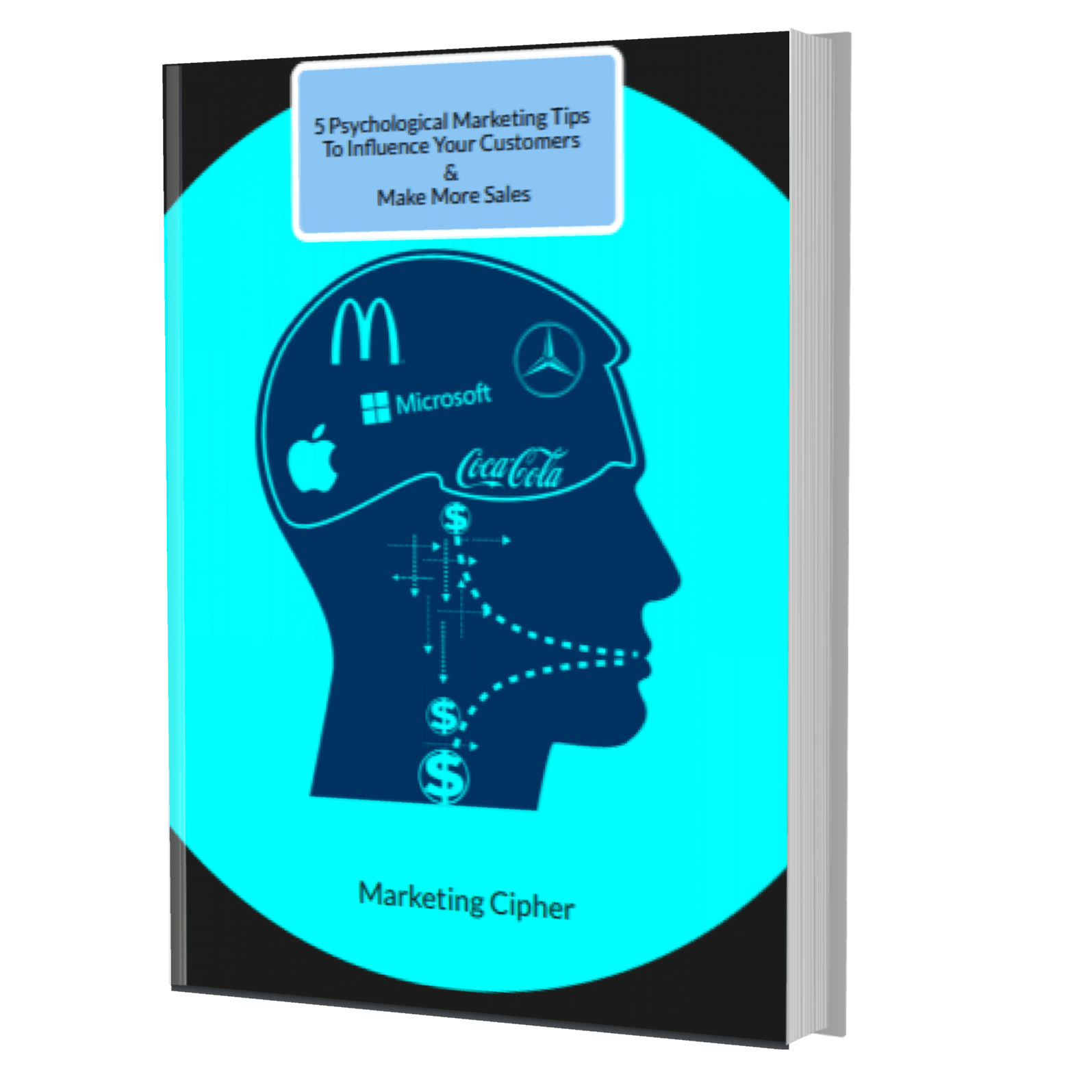
Get Your FREE Gift
"5 Psychological Marketing Tips To Influence Your Customers & Make More Sales"
Download This Free e-book To Learn How To:
Want More Leads, Traffic, & Sales?
Sign Up For Free Tips & Boost Your Results Now!