
Sign Up For Free Tips So You Can:
How to Send a Post-Purchase Email That Invites Repeat Business
The sale is not the end of the customer journey. It is the moment when a buyer has demonstrated trust, shared useful information about their preferences, and become more receptive to your brand. A thoughtful follow-up email can turn that first transaction into a second purchase without sounding pushy.
For Australian businesses, timing and relevance matter. A customer in Melbourne may respond differently to a seasonal offer than someone in Darwin, while delivery expectations, public holidays, GST-inclusive pricing, and local shopping habits can all influence when and why people buy again. The strongest post-purchase campaigns use those details to make the next step feel useful.
Start with the customer’s immediate experience
Your first email after a transaction should reduce uncertainty. Confirm the order, explain dispatch and delivery expectations, and provide an easy way to contact support. This message reassures the customer that their payment was received and their purchase is being handled properly.
The repeat-business invitation can come later, once the buyer has had time to receive and use the product. For a physical item, that might mean seven to fourteen days after delivery. For a subscription, software product, or service, the right interval may be shorter. Build the schedule around the customer’s likely experience rather than an arbitrary calendar.
Australian delivery times can vary considerably between Sydney, Brisbane, Perth, and regional areas, so avoid promoting a replenishment offer before the original order is likely to arrive. A well-timed message feels considerate; an early sales pitch can make the business appear inattentive.
Segment customers before writing the offer
A single follow-up email rarely suits every buyer. Separate customers by product purchased, order value, purchase frequency, location, and engagement. Someone who bought a coffee machine may need beans and cleaning supplies, while a customer who purchased a gift may be more interested in a different range altogether.
Use customer data responsibly and keep the message aligned with the consent they provided. Personalisation does not require an intrusive level of detail. Referencing the product category, a sensible complementary item, or the customer’s previous benefit is usually enough to make the recommendation feel relevant.
Location can support useful segmentation. A winter apparel campaign may be timely in Hobart while requiring different creative for Queensland. Likewise, campaigns around Australia Day, EOFY, school holidays, or Boxing Day should reflect the audience and the nature of the product rather than relying on a generic national promotion.
Make the second purchase feel useful
The best repeat-purchase emails provide a reason to return that goes beyond “buy again”. Recommend a refill, accessory, upgrade, bundle, maintenance item, or next step that improves the original purchase. Explain the practical benefit in plain language and connect it directly to the customer’s recent decision.
A strong subject line might focus on convenience, such as “Keep your setup running smoothly”, or on timing, such as “Ready for your next refill?” The body copy should quickly answer three questions: why this product is relevant, what benefit it offers, and what the customer should do next.
Avoid presenting an overwhelming catalogue. One primary recommendation and perhaps two carefully chosen alternatives create a clearer path than a grid of unrelated products. If the item is expensive, offer education, a comparison, or a consultation rather than forcing an immediate discount.
Use incentives without training bargain hunters
A repeat-order incentive can be effective when it protects the customer’s sense of value. Free delivery over a reasonable threshold, a complimentary accessory, loyalty points, or an exclusive bundle may work better than a permanent percentage discount. For Australian shoppers, clearly displaying the final price, delivery conditions, and any exclusions supports trust.
If you use a coupon, make the terms simple and visible. Include the expiry date, eligible products, minimum spend, and whether the offer can be combined with other promotions. Avoid artificial urgency that feels disconnected from the customer’s needs, particularly when the buyer already has a positive relationship with the brand.
The call to action should describe the benefit rather than use vague wording. “Choose your refill” or “Complete your care kit” gives more direction than “Shop now”. Before sending, test the link, discount code, mobile layout, and checkout experience from an Australian location.
Write for attention on a mobile screen
Many customers will open a marketing email on a phone between tasks, during a commute, or while browsing after work. Keep the message focused, use short paragraphs, and place the main offer near the top. Product imagery should support the message rather than slow down the reader with unnecessary decoration.
Button design can influence whether the next step feels clear and trustworthy. Consider the emotional effect of colour, contrast, and surrounding space, then refine the creative using principles explained in call-to-action colour psychology. The button should stand out while still matching your brand and remaining accessible.
Include a plain-text alternative, descriptive image text, and sufficient colour contrast. Check how the email renders in common inboxes and make sure the unsubscribe option is easy to find. Good usability protects the customer relationship even when the recipient is not ready to buy again.
Measure the relationship, not just the sale
Track more than immediate revenue. Repeat-purchase rate, time between orders, click-through rate, conversion rate, average order value, unsubscribe rate, and revenue per recipient can reveal whether the campaign is building useful momentum. Compare performance by product, segment, and send delay.
Run controlled tests on subject lines, product recommendations, incentives, and timing. A message sent ten days after delivery may outperform one sent three days later, while a helpful product guide may generate more long-term value than a short-term discount. Keep a clear record of each test so the results inform future campaigns.
Use the data to improve the whole customer journey. If many recipients click but abandon checkout, investigate shipping costs, payment options, stock availability, or mobile usability. Resources from Marketing Cipher can help connect email tactics with broader conversion and customer-acquisition strategy.
Practical recommendations for your next campaign
A repeat-business email works best when it is timely, relevant, and easy to act on. Use these checks before scheduling the send:
- Wait until the customer has had a realistic opportunity to receive and use the original purchase.
- Recommend a logical next product rather than promoting your entire catalogue.
- State Australian pricing, delivery details, offer conditions, and expiry dates clearly.
- Use one prominent call to action supported by concise, mobile-friendly copy.
- Measure repeat orders and customer value alongside clicks and short-term revenue.
Review the campaign after each send and preserve what customers respond to. Over time, these insights can create automated sequences for replenishment, cross-selling, loyalty rewards, product education, and win-back messages.
Build the email around service first, then make the offer feel like a natural continuation of the customer’s decision. Create one focused post-purchase message, test it with a relevant segment, and use the results to develop a reliable repeat-sales sequence.
Expert Marketing Tips & Tricks
We will share with you the latest tips and tricks from proven marketing experts:
- Dominate your target market
- Write powerful sales copy that converts
- Learn traffic secrets to attract unlimited leads
- Create Irresistible offers
- Grow your email list
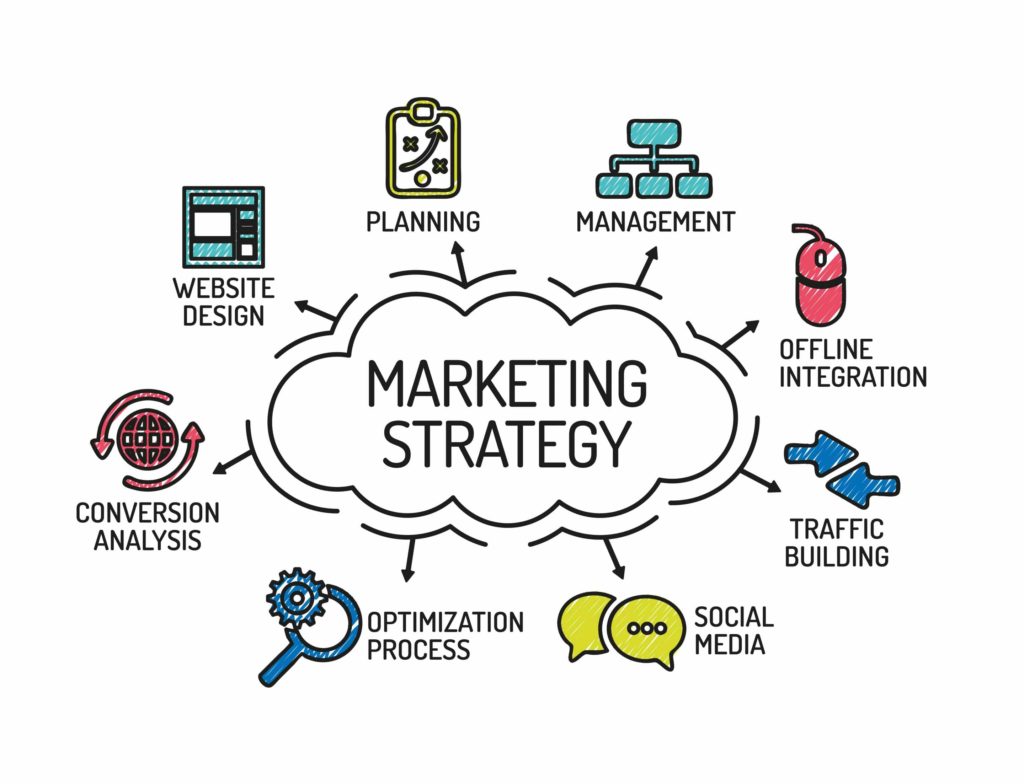
Get FREE Marketing Tips So You Can Grow Your Online Business
Check Out Our Latest Posts
Get Your FREE Gift
"5 Psychological Marketing Tips To Influence Your Customers & Make More Sales"
Download This Free e-book To Learn How To:
Want More Leads, Traffic, & Sales?
Sign Up For Free Tips & Boost Your Results Now!