
Sign Up For Free Tips So You Can:
How to Structure a Customer Journey From Lead to Sale
A customer journey turns scattered marketing activity into a connected path toward a purchase. Instead of sending every visitor the same message, you guide people according to their awareness, needs, objections, and readiness to act.
The strongest journey maps the transition from first contact to qualified lead, from qualified lead to serious consideration, and from consideration to sale. Each stage has a specific purpose, message, offer, and measurement standard.
This structure helps businesses attract better prospects, build trust through relevant content, and create a smoother conversion process. It also reveals where leads lose interest, allowing marketers to improve the experience before investing more money in traffic.
Define The Buyer’s Starting Point
Begin by identifying who enters the journey and what motivates them. A prospect may discover your business through search, social media, a referral, paid advertising, or an affiliate recommendation. These sources often produce visitors with different levels of awareness.
Create a simple profile that includes the customer’s desired outcome, current problem, buying objections, preferred communication channels, and likely trigger for action. Someone searching for basic advice needs a different first step from someone comparing vendors or looking for pricing.
Group prospects by intent rather than relying only on demographics. Search terms, pages visited, downloads, email clicks, and previous purchases can reveal where each person sits in the decision-making process.
Attract Attention With A Relevant Promise
The first stage should earn attention by addressing a problem the prospect already recognizes. Educational blog posts, short videos, social content, checklists, and search-focused landing pages can introduce your solution without demanding an immediate purchase.
Use a clear promise that connects the customer’s problem to a meaningful result. Guidance on outcome-based copywriting can help turn feature-focused messages into language that reflects what buyers actually want to achieve.
Every entry point should lead somewhere logical. A blog post might direct readers to a related guide, a calculator, or an email course. A paid advertisement should match the promise made on its landing page. This continuity reduces confusion and improves the chance that attention becomes a lead.
Capture And Qualify New Leads
Once visitors show interest, offer a useful lead magnet in exchange for an email address or another appropriate contact detail. Templates, practical reports, demonstrations, and educational series tend to work well when they solve a specific early-stage problem.
Keep the opt-in form proportional to the value of the offer. Asking for a name and email is often enough at the beginning. More detailed qualification can happen later through engagement, progressive forms, or a short sales conversation.
Use lead scoring to separate casual interest from buying intent. A person who downloads one article may need nurturing, while someone who views pricing, returns several times, and requests a consultation may deserve rapid sales follow-up.
Build Trust Through Timely Nurture
Lead nurturing should answer the questions that prevent a purchase. A useful email sequence can explain the problem, present possible approaches, show evidence, address risks, and introduce the offer when the prospect has enough context to evaluate it.
Match the message to behavior. New subscribers may receive foundational education, while active readers can receive case studies, product comparisons, or an invitation to speak with sales. Behavioral segmentation makes communication feel more relevant and reduces unnecessary repetition.
Trust grows when content is specific and credible. Use customer stories, demonstrations, testimonials, transparent pricing information, and practical advice. A consistent publishing resource such as Marketing Cipher can support this stage by giving prospects ongoing access to marketing education and useful guidance.
Move Consideration Toward A Clear Decision
When a lead begins comparing solutions, remove friction from the buying process. Create a focused sales page that explains who the offer is for, what it delivers, how implementation works, and why the value justifies the cost.
The call to action should fit the level of commitment required. A low-cost product may need a direct purchase button, while a complex service could use a consultation, proposal request, or product demonstration. Avoid sending a highly qualified lead back to a vague homepage.
Use conversion data to identify weak points in the journey. Track lead-to-opportunity rate, email engagement, sales-page visits, abandoned forms, booked calls, close rate, and revenue by acquisition source. These measurements show whether the problem is traffic quality, messaging, trust, or the buying process itself.
| Journey Stage | Customer Mindset | Useful Content | Primary Goal | Key Metric |
|---|---|---|---|---|
| Awareness | “I need to understand this problem” | Articles, videos, social posts | Earn attention | Qualified traffic |
| Lead Capture | “This resource may help me” | Guides, checklists, webinars | Gain permission to follow up | Opt-in rate |
| Nurture | “Could this solve my situation?” | Emails, case studies, education | Build trust and intent | Engagement rate |
| Consideration | “Which option should I choose?” | Comparisons, demos, testimonials | Remove objections | Sales-qualified leads |
| Purchase | “I am ready to act” | Offer page, proposal, checkout | Complete the sale | Conversion rate |
Connect The Handoff And Follow-Up
A customer journey breaks when marketing and sales use different definitions of a qualified lead. Establish shared criteria, such as a specific score, business need, budget range, or action taken. Then define how quickly sales should respond and what information must be passed along.
Follow-up should continue after the first sales conversation. Send a useful recap, answer unresolved objections, clarify next steps, and provide a realistic timeline. Automated reminders can support consistency, while personal communication handles complex decisions.
- Give every stage one primary conversion goal.
- Align each promise with the page and offer that follow it.
- Use customer behavior to trigger relevant messages.
- Review drop-off points at least once each month.
- Connect marketing and sales data to revenue, not clicks alone.
A sale should also begin the next relationship stage. Onboarding emails, product education, support resources, and referral invitations can increase satisfaction and create repeat business. The post-purchase experience provides evidence that the original promise was accurate.
Put The Journey Into Motion
Start with one audience, one core problem, and one offer. Map the steps from first visit to purchase, then create the smallest useful asset for each stage. This keeps the customer journey manageable and makes performance easier to evaluate.
Publish the entry content, build the lead capture point, write a short nurture sequence, and improve the sales page using real objections from prospects. Once the basic path works, add segmentation, automation, retargeting, and additional offers based on observed behavior.
A well-structured journey gives every marketing message a job and every lead a logical next step. Build yours around customer intent, measure the movement between stages, and refine the path until more qualified prospects reach the sale.
Expert Marketing Tips & Tricks
We will share with you the latest tips and tricks from proven marketing experts:
- Dominate your target market
- Write powerful sales copy that converts
- Learn traffic secrets to attract unlimited leads
- Create Irresistible offers
- Grow your email list
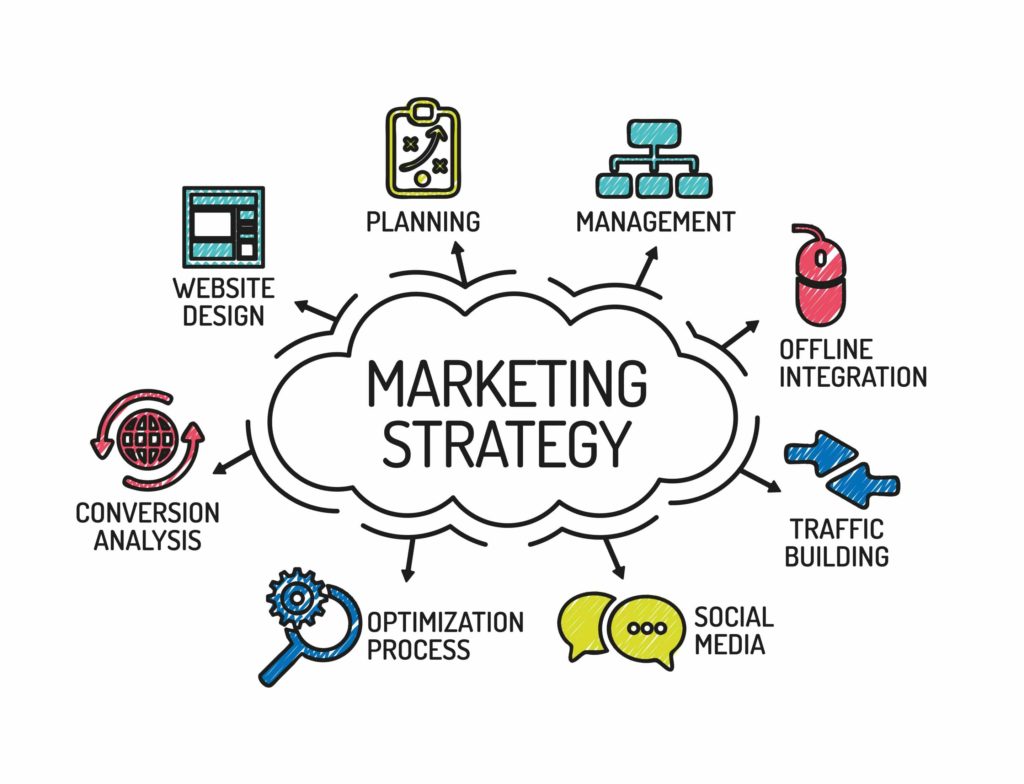
Get FREE Marketing Tips So You Can Grow Your Online Business
Check Out Our Latest Posts
Get Your FREE Gift
"5 Psychological Marketing Tips To Influence Your Customers & Make More Sales"
Download This Free e-book To Learn How To:
Want More Leads, Traffic, & Sales?
Sign Up For Free Tips & Boost Your Results Now!