
Sign Up For Free Tips So You Can:
How to Structure an Email Sequence for Affiliate Offers
An affiliate email sequence should do more than place a product link in front of subscribers. It needs to move readers from recognition of a problem to confidence in a solution, while giving them useful information at every stage. The strongest campaigns feel like guided buying journeys rather than a string of promotions.
A clear sequence also protects your relationship with the audience. Subscribers are more likely to open future messages when they understand why they are receiving an offer and believe your recommendations are relevant. That makes planning, timing, and measurement just as important as persuasive copy.
Before writing, identify the product, audience, primary problem, and desired action. Then build each message around one job. A focused email is easier to read, easier to optimize, and less likely to bury the call to action beneath unnecessary detail.
Define the conversion path
Start with the destination. An affiliate campaign may aim to generate a click, encourage a free trial, drive a purchase, or earn a commission from a completed application. The email copy, call to action, and follow-up timing should reflect that specific goal.
Next, determine what a subscriber must believe before taking action. They may need to understand the problem, see evidence that the product works, compare alternatives, or overcome concerns about price and complexity. These beliefs become the building blocks of the sequence.
Keep the path simple: problem awareness, solution education, proof, offer presentation, and decision support. If the product requires substantial consideration, add more educational content rather than repeating the same sales pitch.
Match messages to buyer awareness
The first email should connect with the reader’s current situation. A useful story, mistake, checklist, or quick win can create engagement without asking for an immediate purchase. This establishes relevance and gives subscribers a reason to continue opening.
The next messages can introduce the category of solution and explain how it works. Avoid assuming that readers understand technical features or industry terminology. Translate features into outcomes, such as saved time, fewer errors, lower costs, or a more reliable process.
Once the audience recognizes the solution, show why the recommended affiliate product deserves attention. Case studies, demonstrations, testimonials, comparisons, and specific use cases can reduce uncertainty. Claims should be accurate, verifiable, and consistent with the merchant’s policies.
Build a persuasive email progression
A practical sequence might include seven messages, although the ideal length depends on the offer and buying cycle. Each email should advance the reader instead of restating the previous message.
| Email stage | Primary purpose | Useful content | Main call to action |
|---|---|---|---|
| Problem awareness | Create relevance | Story, symptom, mistake, or cost of inaction | Read the next resource |
| Education | Explain the solution | Framework, tutorial, or checklist | Learn how the method works |
| Product introduction | Connect solution to offer | Features, benefits, and use cases | View the product |
| Proof | Reduce perceived risk | Results, testimonials, or demonstration | See evidence |
| Objection handling | Address hesitation | Price, setup, compatibility, or alternatives | Review the offer |
| Reminder | Reintroduce urgency | Bonus, deadline, or key benefit | Take action |
| Final follow-up | Close the campaign respectfully | Summary and last clear opportunity | Visit the offer |
Use a consistent narrative thread across the messages. For example, an opening email might highlight wasted time, the second could teach a faster method, and the third could show how the affiliate product applies that method. The sequence then feels coherent rather than assembled from unrelated templates.
Present the offer with context
Affiliate promotions perform better when the recommendation is specific. Explain who the product is for, which problem it solves, and when it may not be the best choice. Balanced guidance often creates more credibility than exaggerated praise.
Pricing deserves careful treatment. A basic, standard, and premium option can make the recommended package easier to evaluate when the choices are genuinely useful. The decoy effect in pricing can explain why certain comparisons influence perceived value, but ethical marketing requires transparent distinctions between packages.
Place the affiliate disclosure where subscribers can notice it, and avoid implying personal results you cannot support. Make the link descriptive and ensure the landing page matches the promise made in the email. A mismatch between headline and destination can produce clicks but damage trust and reduce long-term revenue.
Use timing and segmentation intelligently
A common structure sends the first educational email immediately after signup, followed by messages one or two days apart. After a subscriber clicks the offer, move them into a more relevant segment rather than continuing to send generic promotional emails. Buyers should also leave the campaign or enter a customer-focused follow-up.
Segmentation can be based on interest, behavior, purchase stage, or lead magnet source. Someone who clicked a comparison email may need objection handling, while someone who opened but did not click may benefit from a clearer explanation of the outcome.
Test send times, subject lines, preview text, message length, and calls to action, but change one meaningful variable at a time. Give each test enough volume to produce a useful signal. Small lists may require broader observations across several campaigns rather than quick decisions based on a handful of opens.
Track results and improve the sequence
Measure the entire path, not just the number of affiliate clicks. Review delivery rate, open rate, click-through rate, conversion rate, revenue per subscriber, unsubscribe rate, and earnings per click. These metrics help identify whether the problem is reach, engagement, persuasion, or the merchant’s checkout experience.
The guide to email marketing metrics can help publishers choose useful benchmarks and interpret campaign performance more accurately. For example, strong clicks with weak sales may indicate a landing-page or offer problem, while low clicks with healthy opens may point to weak copy or an unclear call to action.
Keep a record of each campaign’s audience, offer, sequence length, links, results, and changes. Over time, this creates a reliable testing library. You can then improve the highest-impact message instead of rewriting every email whenever performance fluctuates.
Practical sequence principles
A dependable affiliate campaign usually follows a few operational rules:
- Give every email one dominant purpose and one primary call to action.
- Lead with subscriber problems and desired outcomes before describing product features.
- Use proof, comparisons, and demonstrations to support claims rather than inflate them.
- Segment readers by clicks and purchases so follow-ups remain relevant.
- Disclose affiliate relationships clearly and review links before sending.
The best sequence is rarely the one with the most aggressive language. It is the one that reduces confusion, answers timely objections, and makes the next step feel appropriate. A useful educational email can generate sales even when it contains a soft call to action, because it strengthens the subscriber’s readiness for the messages that follow.
Build your next sequence around one audience, one problem, and one carefully chosen offer. Map the reader’s beliefs, assign a purpose to every email, and track the journey from inbox to conversion. With consistent testing and honest recommendations, affiliate email can become a repeatable source of qualified traffic and revenue.
Expert Marketing Tips & Tricks
We will share with you the latest tips and tricks from proven marketing experts:
- Dominate your target market
- Write powerful sales copy that converts
- Learn traffic secrets to attract unlimited leads
- Create Irresistible offers
- Grow your email list
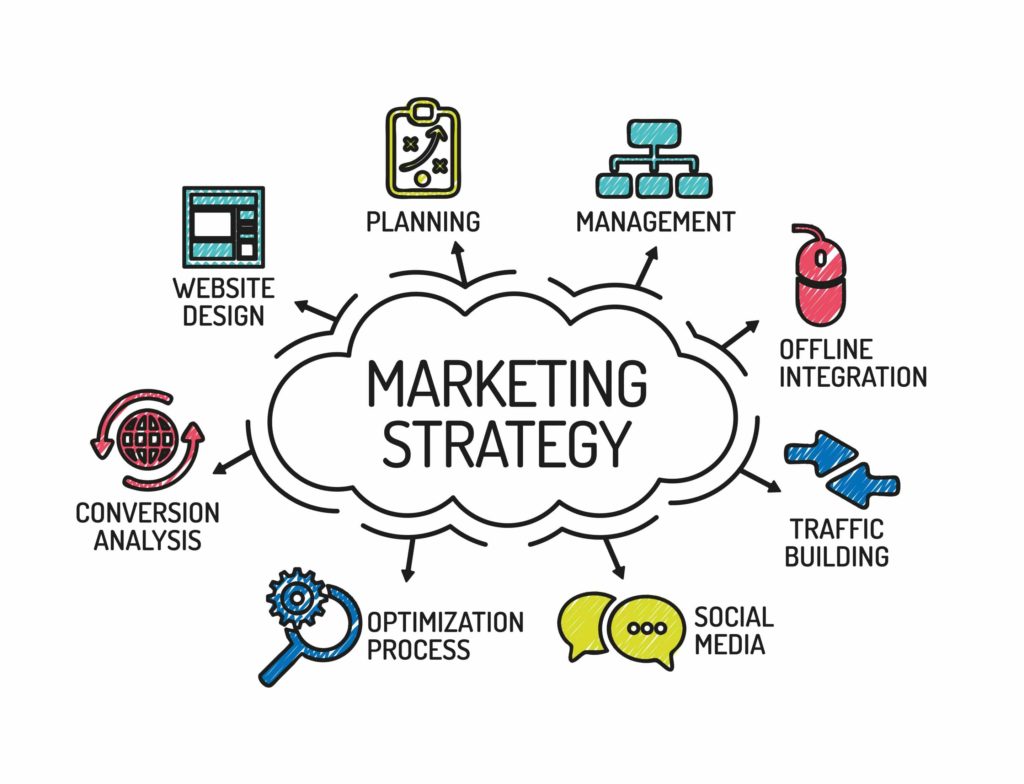
Get FREE Marketing Tips So You Can Grow Your Online Business
Check Out Our Latest Posts
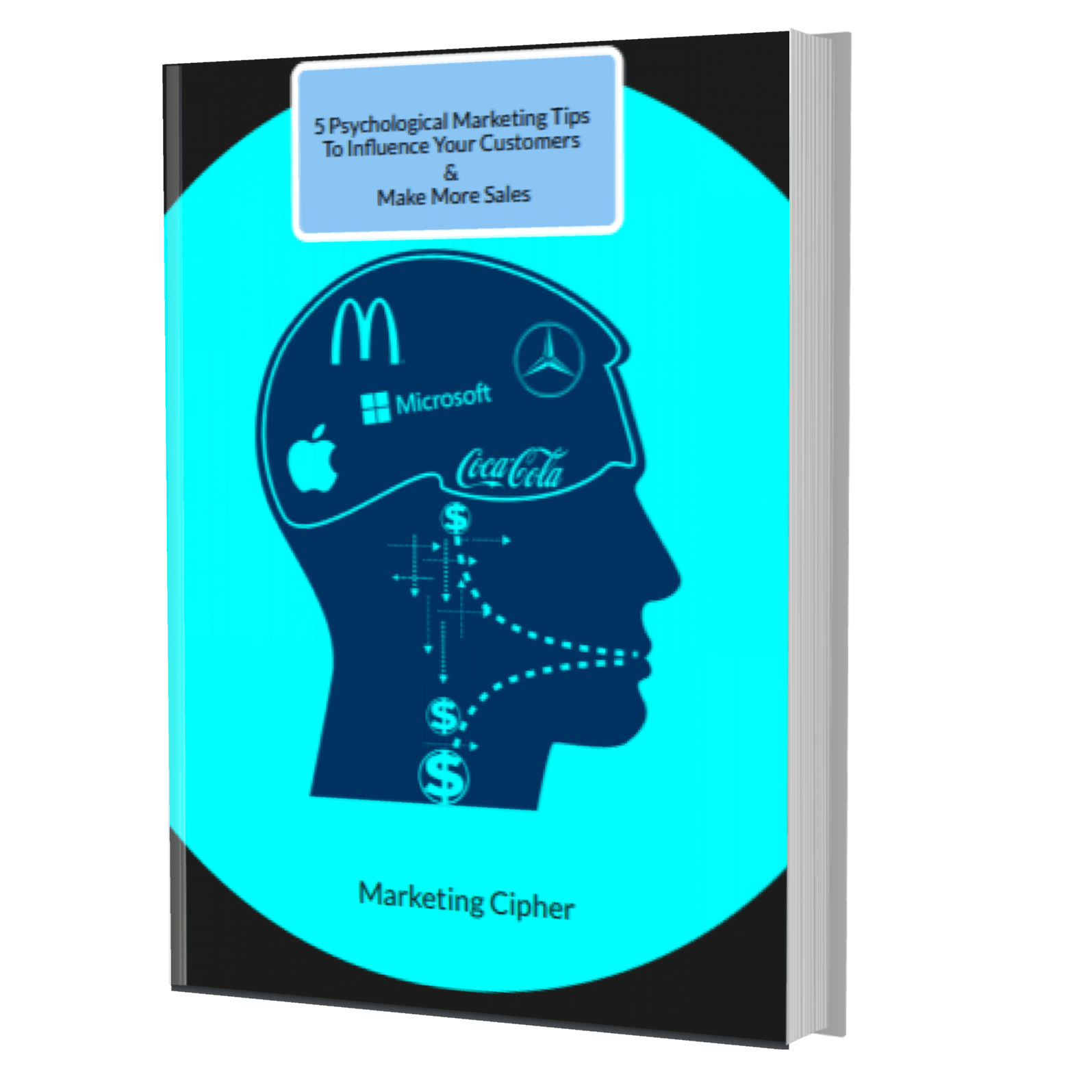
Get Your FREE Gift
"5 Psychological Marketing Tips To Influence Your Customers & Make More Sales"
Download This Free e-book To Learn How To:
Want More Leads, Traffic, & Sales?
Sign Up For Free Tips & Boost Your Results Now!