
Sign Up For Free Tips So You Can:
How to use FOMO without overusing it in your campaigns
Fear of missing out, or FOMO, can move a hesitant prospect toward action. A limited-time bonus, a closing enrollment window, or a clear stock update gives people a reason to stop postponing a decision. Used responsibly, urgency can sharpen an offer without damaging trust.
The difficulty begins when every email, landing page, and social post sounds like a final warning. Constant countdowns lose credibility, create buyer fatigue, and can make a brand feel manipulative. Effective scarcity is based on a real constraint and supports a genuine customer decision.
Why FOMO works in marketing
People are influenced by the possibility of losing access to something valuable. This may be a discount, an opportunity, a useful resource, or the chance to join a group before enrollment closes. The emotional weight of loss often makes an offer feel more urgent than an equivalent gain.
FOMO also reduces indecision. When prospects have enough information but keep delaying, a deadline can provide the structure needed to choose. The strongest campaigns combine urgency with clear benefits, proof, and simple next steps rather than relying on pressure alone.
Start with genuine scarcity
Scarcity should reflect a condition that actually exists. If a product has limited inventory, explain the available quantity or the reason replenishment will take time. If a service has limited onboarding capacity, connect the deadline to the number of clients your team can reasonably support.
Time-based urgency must be just as honest. A sale should end when promised, and an enrollment window should not reopen immediately with a slightly different countdown. Repeated extensions teach subscribers that deadlines are meaningless, which weakens future promotions and your overall brand credibility.
Match urgency to the buying decision
Different products require different levels of urgency. A low-cost digital download may convert with a short bonus window, while a consulting package may need several days for evaluation. Forcing every prospect through the same rapid deadline can create anxiety instead of confidence.
| Campaign situation | Appropriate urgency | Trust-building detail |
|---|---|---|
| Product launch | Early-buyer bonus | State when the bonus ends |
| Limited inventory | Stock-based scarcity | Give an accurate availability update |
| Live workshop | Registration cutoff | Explain preparation and capacity limits |
| Service offer | Onboarding deadline | Connect timing to team availability |
| Evergreen lead magnet | Gentle next step | Avoid artificial countdowns |
Consider the prospect’s risk, price sensitivity, and buying cycle before selecting a trigger. A deadline should help people act at the right moment, not force them to make a poorly informed choice.
Use FOMO after building value
Urgency is more persuasive when the audience already understands what they stand to gain. Explain the problem, demonstrate the outcome, address objections, and show why the offer is different before highlighting what may disappear.
This sequence is especially important for lead generation. A useful free resource can establish expertise and move subscribers toward a relevant paid solution. Marketing Cipher’s guide on creating a converting freebie offers a helpful example of connecting initial value with a later purchase.
Use specific language instead of vague alarm. “Enrollment closes Friday at 6 p.m. so participants can receive the onboarding materials” is stronger than “Act now before it’s too late.” Specificity makes the deadline understandable and gives the audience a reason to believe it.
Vary your urgency messages
Repeating the same countdown across every channel can make a campaign feel automated and exhausting. Instead, give each message a distinct purpose. An early email can announce the opportunity, a middle message can answer objections, and a final reminder can clarify the closing time.
Your copy can also use different forms of urgency:
- Deadline urgency: State when an offer, bonus, or enrollment period ends.
- Quantity urgency: Show a real limit on products, seats, or appointments.
- Opportunity urgency: Explain what prospects can begin achieving by acting now.
- Social urgency: Use accurate activity or participation data without exaggeration.
- Cost urgency: Explain when a price or payment arrangement will change.
Frequency matters as much as wording. A short campaign may need several reminders, but each should add information rather than simply repeat “last chance.” Segment subscribers by engagement so frequent buyers receive relevant updates while inactive contacts are not overwhelmed.
Protect trust with transparent copy
Ethical FOMO gives people enough context to make a voluntary decision. Include the exact deadline, applicable conditions, refund terms, and any restrictions that affect the offer. If a bonus is limited, describe what it is and how many are available.
Avoid false social proof, invented queues, fake low-stock notices, and timers that reset whenever someone refreshes the page. These tactics may create a temporary lift, but they can increase refunds, complaints, unsubscribes, and negative word of mouth.
A trustworthy campaign can still be persuasive. Pair a direct call to action with reassurance: prospects can review the details, understand the terms, and decide without being misled. When urgency is credible, customers are more likely to feel satisfied with the purchase afterward.
Test urgency without sacrificing the customer experience
Track more than immediate conversion rate. Monitor revenue per subscriber, refund requests, unsubscribe rates, complaint volume, and repeat purchases. A dramatic increase in clicks may be less valuable if the campaign attracts poor-fit buyers or damages list health.
Test one variable at a time, such as the deadline length, reminder frequency, or placement of scarcity copy. Compare a clear factual deadline with a stronger emotional version, then evaluate performance across the entire customer journey. The winning message should generate action while preserving confidence.
For ongoing education about copywriting, offers, and conversion strategy, explore Marketing Cipher for practical marketing guidance. Apply those principles with a customer-first standard: urgency should clarify a real decision, never manufacture panic.
Use the next campaign to establish one genuine constraint, explain its purpose, and communicate it consistently. Give prospects enough value and information to choose confidently, then let the deadline do its limited job. A restrained FOMO strategy can increase response while making your brand more believable over time.
Expert Marketing Tips & Tricks
We will share with you the latest tips and tricks from proven marketing experts:
- Dominate your target market
- Write powerful sales copy that converts
- Learn traffic secrets to attract unlimited leads
- Create Irresistible offers
- Grow your email list
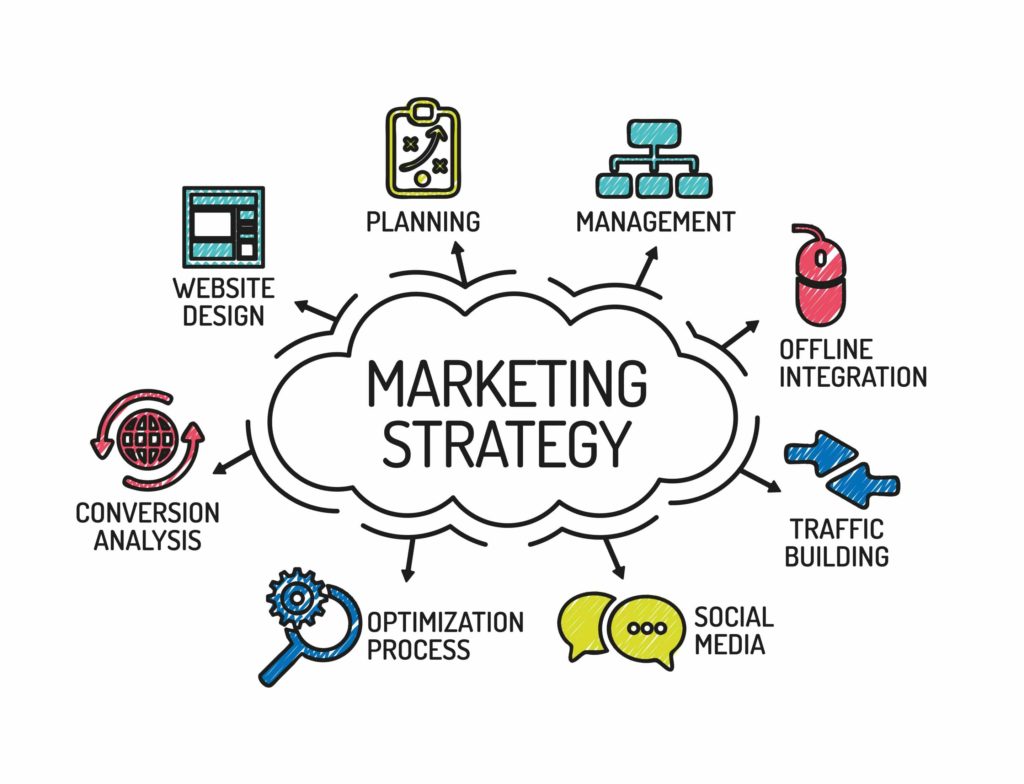
Get FREE Marketing Tips So You Can Grow Your Online Business
Check Out Our Latest Posts
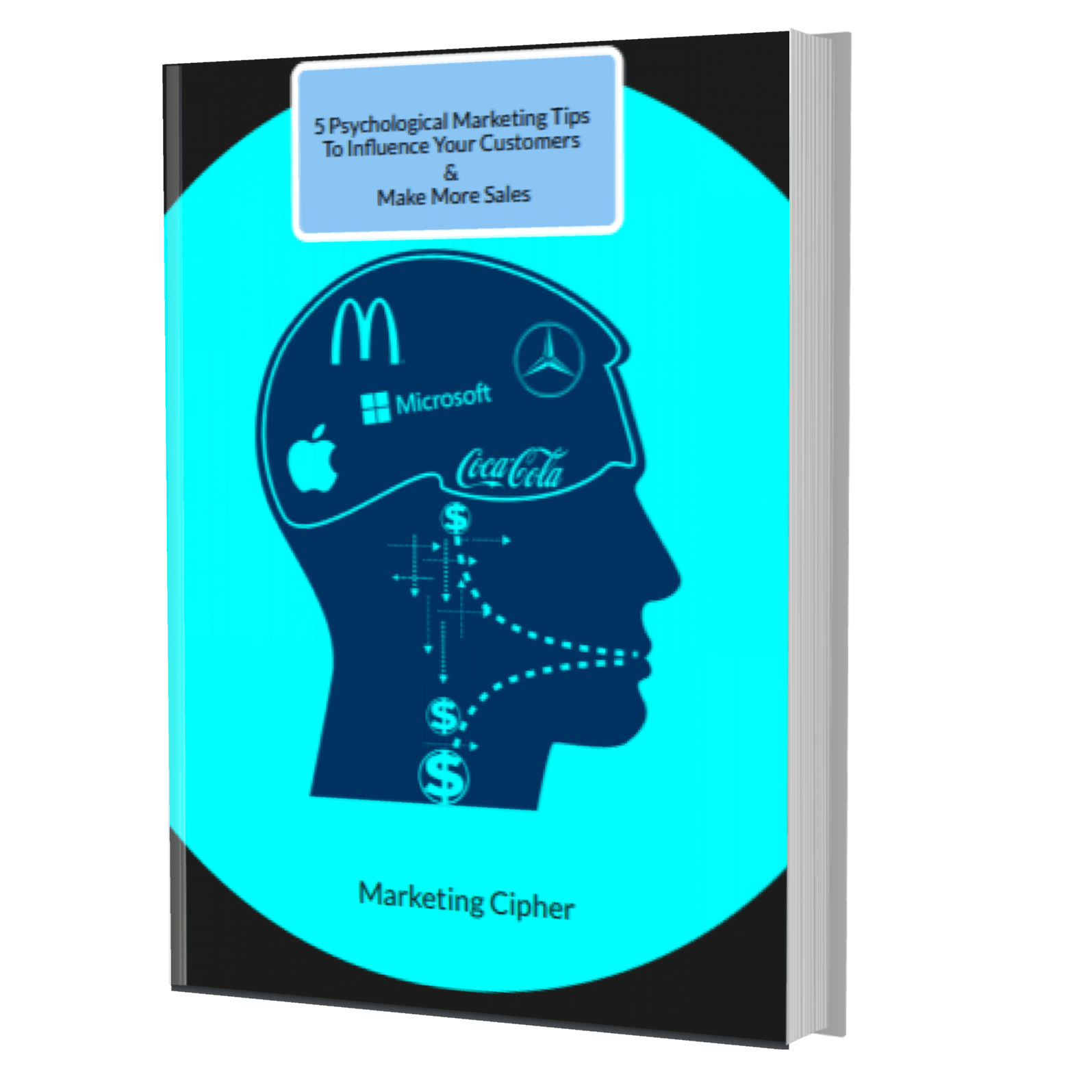
Get Your FREE Gift
"5 Psychological Marketing Tips To Influence Your Customers & Make More Sales"
Download This Free e-book To Learn How To:
Want More Leads, Traffic, & Sales?
Sign Up For Free Tips & Boost Your Results Now!