
Sign Up For Free Tips So You Can:
How To Use Scarcity Without Sounding Sleazy In Your Offers
Scarcity can make an offer more compelling because people value opportunities that may not remain available. Used carelessly, however, it can trigger suspicion. Buyers recognize exaggerated countdowns, invented stock limits, and vague claims about “selling out soon.”
Ethical urgency works differently. It gives people a truthful reason to act now while respecting their ability to make an informed decision. The goal is not to pressure every visitor into buying. It is to make the cost of waiting clear when timing genuinely matters.
This approach fits into a broader conversion strategy involving persuasive copy, customer psychology, and a well-structured offer. For practical marketing education on these subjects, Marketing Cipher resources can help you connect urgency with stronger messaging and better sales funnels.
Why Scarcity Works In Marketing
Scarcity influences decision-making because limited access can signal value. A product with a fixed number of places, a seasonal availability window, or a time-sensitive bonus feels more concrete than an offer that remains unchanged forever.
Urgency also helps buyers overcome procrastination. Many people understand an offer, want the result, and still delay taking action. A legitimate deadline gives them a reason to prioritize the decision instead of leaving it indefinitely on their to-do list.
The key distinction is whether the limitation exists independently of the sales message. If the constraint would still be present without the marketing campaign, it is much easier to communicate honestly.
Start With A Real Constraint
Before adding a countdown timer or deadline, identify what is genuinely limited. You may have capacity for a fixed number of coaching clients, a live workshop with restricted seating, or a production run that will not be replenished until a later date.
Digital products require more care because inventory is often unlimited. You can still use ethical urgency by limiting access to a live implementation session, a launch-only bonus, a cohort start date, or a temporary price connected to a real business decision.
Write down the reason for the limitation in plain language. If your team cannot explain why the deadline exists, customers will likely sense that it was created purely to force a purchase.
Choose Language That Respects Buyers
Aggressive copy often treats hesitation as a character flaw. Phrases such as “buy now or regret it forever” may attract attention, yet they can make a thoughtful buyer feel manipulated. Strong urgency does not require insults, fear, or emotional pressure.
Use specific, calm language instead. Explain what ends, when it ends, and what happens afterward. “Enrollment closes Friday at midnight so the group can begin together on Monday” is clearer and more credible than “This is your last chance before everything disappears.”
| Scarcity Type | Credible Reason | Clear Copy Example | Best Use |
|---|---|---|---|
| Time-based | A campaign, event, or price window ends | “The launch price ends Friday at 11:59 p.m.” | Product launches and promotions |
| Quantity-based | Stock, seats, or service capacity is fixed | “We have six implementation slots available.” | Physical goods and services |
| Access-based | A bonus or experience is available temporarily | “The live setup session is included through launch week.” | Courses and digital offers |
| Seasonal | Availability follows a calendar or supply cycle | “Holiday delivery is available for orders placed by December 15.” | Retail and seasonal services |
Avoid false precision. A timer that resets whenever someone visits the page weakens trust, especially when the same “final offer” appears in repeated emails. Consistency between your landing page, checkout, and follow-up messages matters as much as the wording itself.
Match Urgency To The Buyer’s Decision
The strongest scarcity message reflects how customers actually buy. A high-ticket service may need a capacity-based limit because delivery requires human time. A low-cost template may work better with a limited-time bonus or a launch price.
Consider the buyer’s level of awareness as well. Someone encountering your brand for the first time may need proof, details, and risk reduction before a deadline feels meaningful. A returning subscriber who has already studied the offer may respond well to a concise reminder of what changes after the deadline.
Scarcity should support the value proposition rather than replace it. Explain the result, show who the offer is for, address objections, and then clarify why acting within the current window makes sense.
Build Ethical Urgency Into Your Copy
A reliable offer usually combines a visible deadline with evidence and a clear next step. Keep the message easy to verify, and avoid stacking several artificial limitations on the same page.
Use these practices to make your urgency persuasive without making it uncomfortable:
- State the exact date and time, including the relevant time zone when appropriate.
- Explain what changes after the deadline: price, bonus, enrollment, delivery, or access.
- Use real capacity limits that your business can document and honor.
- Give buyers enough information to evaluate the offer before the cutoff.
- Remove expired claims promptly from pages, ads, and automated email sequences.
Your call to action should describe the action and its immediate value. “Reserve your workshop seat” is more informative than “Act now.” If the deadline passes, update the offer rather than quietly extending it for another week.
Use Follow-Up Without Creating Panic
Email reminders can reinforce a legitimate deadline, but every message should contribute useful context. An early notice can explain the offer, a mid-period email can answer common objections, and a final reminder can state precisely what ends and when.
Repetition becomes sleazy when the message grows more dramatic without adding information. Avoid fake “hours left” alerts, fabricated demand, and claims that imply a buyer will suffer unless they purchase immediately.
After the deadline, honor the promise. If the price increased, the bonus ended, or enrollment closed, say so. Customers who missed the window may return during the next genuine opening, while customers who bought will feel more confident that your promises mean something.
Make The Next Step Clear
Review every scarcity element in your offer and ask whether it is true, specific, and relevant to the buyer’s decision. When urgency reflects real constraints, it can improve conversions while strengthening your reputation.
Use ethical urgency principles as part of a broader system of clear positioning, useful content, and customer-focused copy. Give people a credible reason to act, enough information to decide, and a straightforward path to purchase before the opportunity changes.
Expert Marketing Tips & Tricks
We will share with you the latest tips and tricks from proven marketing experts:
- Dominate your target market
- Write powerful sales copy that converts
- Learn traffic secrets to attract unlimited leads
- Create Irresistible offers
- Grow your email list
Get FREE Marketing Tips So You Can Grow Your Online Business
Check Out Our Latest Posts
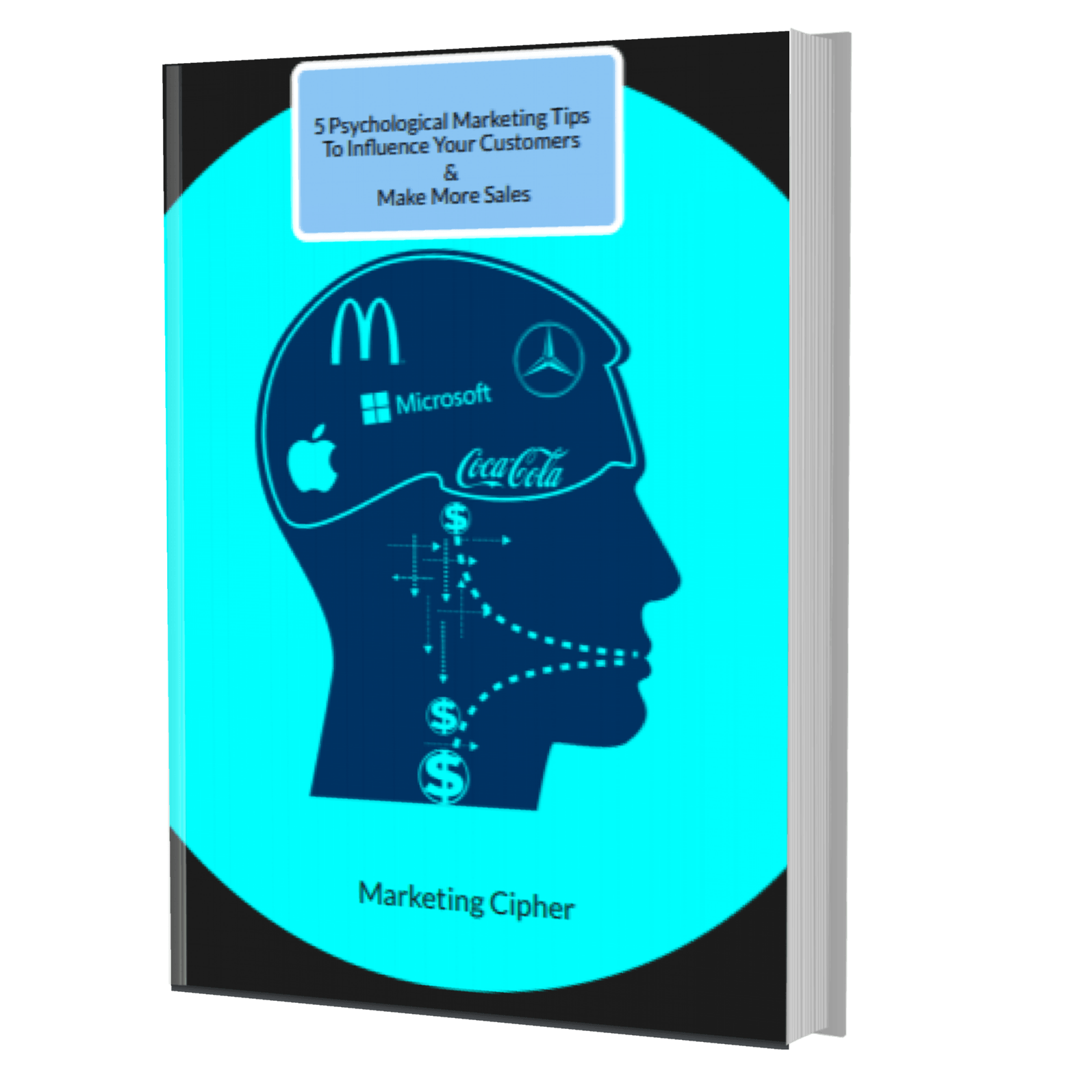
Get Your FREE Gift
"5 Psychological Marketing Tips To Influence Your Customers & Make More Sales"
Download This Free e-book To Learn How To:
Want More Leads, Traffic, & Sales?
Sign Up For Free Tips & Boost Your Results Now!