
Sign Up For Free Tips So You Can:
How to Write a Cold Email That Gets a Reply
A cold email earns a response when it feels relevant, specific, and easy to answer. Your recipient should quickly understand why you contacted them, why the message matters to their situation, and what small action you want them to take.
The strongest outreach messages are rarely the longest. They use a focused subject line, a personalized opening, a clear value proposition, and a low-friction call to action. Every sentence removes uncertainty rather than adding another sales pitch.
Cold outreach also requires realistic expectations. A reply may come after a follow-up, a forwarded message, or a change in the recipient’s priorities. Your job is to create enough relevance and curiosity for the conversation to begin.
Research the person before writing
Personalization goes beyond adding a first name. Review the prospect’s role, company priorities, recent announcements, published content, or current marketing campaigns. Look for a genuine reason your offer connects with something they are already working on.
A useful opening might reference a product launch, a hiring push, a new market, or a problem visible on the company’s website. Avoid vague praise such as “I love what your company is doing.” Specific observations sound credible; generic compliments sound automated.
Research should also help you decide whether the person is a suitable contact. A relevant message sent to the wrong department still produces poor results. Confirm that your recipient can influence, recommend, or approve the solution you are offering.
Write a subject line with a clear reason to open
Your subject line should create recognition, relevance, or useful curiosity. Keep it short enough to scan on a mobile device, and avoid exaggerated claims, excessive punctuation, and language that resembles spam.
A subject such as “Idea for your onboarding flow” gives the reader context without forcing a promise. “Quick question about [specific initiative]” can work when the question is genuinely connected to their business. Mentioning a mutual connection, recent event, or relevant result can also establish context quickly.
The Zeigarnik effect explains why incomplete loops can hold attention, but curiosity must be supported by substance. Do not use a mysterious subject line to hide a generic pitch. Open the loop in the email and make the answer worthwhile.
Lead with relevance instead of your company story
The first sentence should explain why this recipient is receiving the message. Connect your observation to a likely priority, such as increasing qualified leads, reducing abandoned carts, improving customer retention, or making a campaign more efficient.
After establishing relevance, briefly explain what you do and why it may help. A useful structure is: observation, likely challenge, relevant outcome, and proof. For example, you might note that a company is expanding its paid acquisition, explain that tracking gaps can make scaling expensive, and mention how you helped a similar business improve lead quality.
Keep the focus on the recipient’s situation. Statements about your years in business, awards, and complete service catalog can wait. Credibility matters, but it should support the central point rather than take over the message.
Make the next step easy to accept
A cold email call to action should require minimal effort. Asking for a 15-minute conversation can work, but offering two specific time options is usually easier than saying, “Let me know when you’re free.” You can also ask a simple qualifying question when a meeting would be premature.
Use one primary call to action. Multiple links, requests, and choices create friction and make the recipient decide what matters. The message should feel like an invitation to explore a possible fit, not a demand for immediate commitment.
| Email element | What it should accomplish | Example |
|---|---|---|
| Subject line | Signal relevance | Idea for your lead capture page |
| Opening | Show why you chose them | Saw your team is expanding paid campaigns |
| Value statement | Connect your offer to an outcome | We help reduce wasted ad spend from low-intent leads |
| Proof | Lower perceived risk | Increased qualified inquiries by 28% for a similar firm |
| Call to action | Make replying simple | Worth comparing notes next Tuesday or Wednesday? |
Keep the message brief and natural
Aim for roughly 75 to 150 words for an initial outreach email. Short paragraphs, plain language, and white space improve readability. Write as if you are starting a professional conversation, not presenting a brochure.
Remove filler phrases such as “I hope this email finds you well” when they add no context. Replace them with a meaningful observation. Instead of “I wanted to reach out,” explain what prompted the message and why the timing makes sense.
Read the draft aloud before sending it. If the email sounds like a template, simplify it. If the recipient cannot identify the benefit within a few seconds, revise the opening and value statement.
Follow up with a useful reason
Many prospects miss a good email because of timing, workload, or an overflowing inbox. A polite follow-up can recover attention, but repeating “just checking in” offers no new reason to respond. Add a useful detail, relevant resource, short insight, or clearer explanation of the potential outcome.
Space follow-ups across several business days and vary the format. The second message might clarify the original idea, while the third can share a concise example or ask whether another colleague handles the issue. A final note can respectfully close the loop without creating pressure.
Measure replies, positive replies, meetings, and qualified opportunities rather than opens alone. Email privacy changes make open rates less reliable, while response quality reveals whether your targeting and message are working. For broader guidance on attracting leads and improving conversions, explore Marketing Cipher resources.
Use these practices before you send
A simple pre-send review can prevent common cold email mistakes. Check the recipient, relevance, clarity, and requested action before pressing send.
- Replace generic personalization with one verifiable, business-related detail.
- Make the benefit specific to the recipient’s likely goal.
- Use one clear call to action that can be answered quickly.
- Remove unnecessary adjectives, jargon, attachments, and multiple links.
- Check every name, company reference, statistic, and time suggestion.
A strong cold email does not try to close the entire sale. It earns the next small step: a reply, a referral to the right person, or permission to continue the conversation.
Choose one relevant prospect, write a concise message around their current priorities, and test the result against your response quality. Then refine the subject line, opening, offer, and follow-up based on real conversations rather than assumptions.
Expert Marketing Tips & Tricks
We will share with you the latest tips and tricks from proven marketing experts:
- Dominate your target market
- Write powerful sales copy that converts
- Learn traffic secrets to attract unlimited leads
- Create Irresistible offers
- Grow your email list
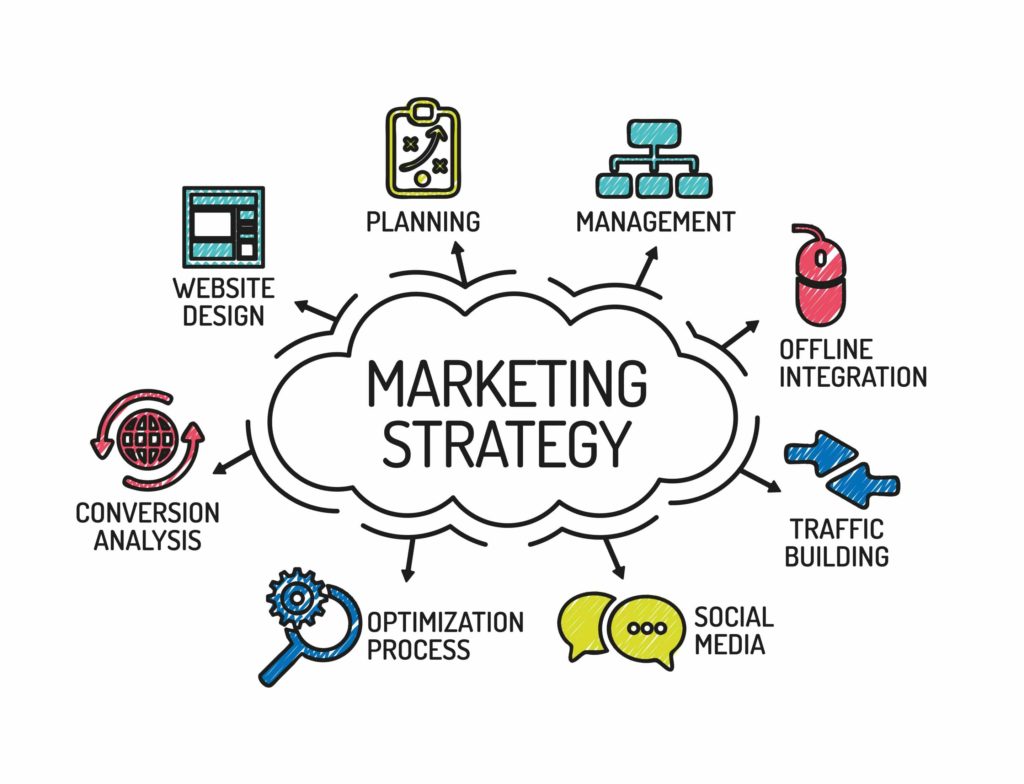
Get FREE Marketing Tips So You Can Grow Your Online Business
Check Out Our Latest Posts
Get Your FREE Gift
"5 Psychological Marketing Tips To Influence Your Customers & Make More Sales"
Download This Free e-book To Learn How To:
Want More Leads, Traffic, & Sales?
Sign Up For Free Tips & Boost Your Results Now!