
Sign Up For Free Tips So You Can:
Writing Direct Mail-Style Emails That Feel Like a Personal Letter
Every week, the average Aussie marketer drops another batch of templated emails into an inbox already drowning in promotions. The kind of message that starts with "Dear Valued Customer" or "Hey there, {{First Name}}" reads exactly like every other missive in the heap. A letter-style email turns that script upside down. It treats the recipient like a person sitting across a cafe table in Brisbane or Surry Hills rather than a row in a spreadsheet, and that small shift changes how the message lands.
Direct mail survived the digital era for a reason. Handwritten notes feel rare, and bringing that texture into email taps the same scarcity psychology. The reader slows down, trusts the writer a little more, and is willing to read past the first sentence. The aim of this guide is to help you write one of those letters, in your inbox, by Monday morning, without sounding like a relic from another decade.
Why old letter style still sells in modern inboxes
Letter format rewards the reader for paying attention. Standard newsletters are scanned in a few seconds, and most clicks go to anything that looks urgent or profitable. A letter-style subject line often reads like the start of a personal story. Inboxes in Melbourne and Adelaide are especially crowded with retail and finance offers, so anything that opens with a soft, conversational hook gets a longer look than a glossy banner ad.
There is also a tone benefit. Promotional copy tends to focus on features, prices, and percentages. Letters focus on situations, decisions, and feelings. When your email sounds like a message between two people, the reader naturally assumes you have something specific to say, and they lean in to find out what it is.
Open with a greeting that names one person
The cheapest way to break the letter spell is a generic opener. Skip anything that begins with "Hi Friend" or "Dear Subscriber". Use a real first name when the data allows, then add a small anchor that ties the reader to the moment. "Hi Sarah, hope your arvo in Perth is treating you better than last week's rain" feels built for one person. Mentioning a suburb or a footy team in the greeting flips the message from mass mailing into correspondence.
If your list is too broad for personal city tags, fall back on something human. "Long time no write" or "Quick note while the kettle is on" is warmer than any brand-led tagline. The point is to position yourself as the sender, not the company. That single decision sets the tone for every line that follows.
Keep paragraphs short and conversational
Real letters rarely carry eight-line paragraphs. Keep each thought to two or three sentences, the length a friend would write back after a flat white. Trade jargon for plain language and bullet lists for sentences that breathe. Most importantly, write the way you would speak to a customer in a co-working space in Fitzroy or North Sydney, because that voice is the one your reader already trusts.
A useful habit is to read each paragraph aloud before sending. Anything you stumble over is usually too formal or packed with too many adverbs. If the paragraph could be lifted into a text message without losing meaning, you are on the right track.
Weave in local colour and real stories
Stories make letters feel true. A short anecdote about visiting a new cafe in Newtown, a Bunnings sausage sizzle on a Saturday morning, or a customer conversation on a Brisbane ferry pier is more memorable than any feature chart. Local context tells the reader that you share the same country, the same weather jokes, and probably order your coffee the same way.
This is also where social proof lands naturally. Mentioning a real customer, their suburb, and what changed after they tried your offer does more than any testimonial widget ever could. To make that narrative work harder, study how marketers structure comparison-style case studies, like the secret to writing effective comparison marketing content, so your stories feel earned rather than planted.
Sign off like a human, not a system
A letter is judged by its final line. Anything that ends with "Best regards, The Marketing Team" announces the trick. A first-name signature, a quick postscript that adds one more useful detail, and a casual sign-off turn the email into something worth forwarding. Reserve the P.S. for the strongest offer or the most human line in the entire message. Direct mail marketers have used postscripts for a century because eyes drift to the bottom of a page, and that habit survives in the inbox.
If your business runs on a personal brand rather than a corporate voice, sign off with your name and a small callback to the opening. "Cheers, Joel, back to the espresso machine" closes the loop and earns a smile. To tighten this final stage of the funnel, follow advice on testimonial placement, such as the power of testimonials where to place them for maximum impact, and place a short customer quote just above your sign-off.
Track results the way direct mail marketers do
Old-school direct mailers measured response rates against cost per piece. Bring that same thinking into your letter emails. Pick one metric before you hit send, and judge the campaign by that single number. Opens, replies, replies-to-opens, click-to-reply, or direct sales are all valid, but trying to track five at once dilutes what the letter was meant to achieve.
Run two versions of the same letter every send, swapping only the subject line or the opening. Over a quarter, those small tests show you how your Australian list responds, because patterns in Sydney differ from patterns in Hobart or Cairns even within the same brand. For a related look at patient testing culture, see how paid media teams handle automated bidding strategies, then borrow the patience they apply to waiting on clean data.
A letter-style email is a small craft project. Treat it like one, and unsubscribe rates drop while replies climb. Grab the free Marketing Cipher ebook from the sidebar for a deeper dive into copywriting frameworks that turn ordinary blasts into letters readers leave open. Drop your email below for weekly writing prompts, subject line teardowns, and case studies from Aussie marketers who already make their newsletters feel handwritten.
Expert Marketing Tips & Tricks
We will share with you the latest tips and tricks from proven marketing experts:
- Dominate your target market
- Write powerful sales copy that converts
- Learn traffic secrets to attract unlimited leads
- Create Irresistible offers
- Grow your email list
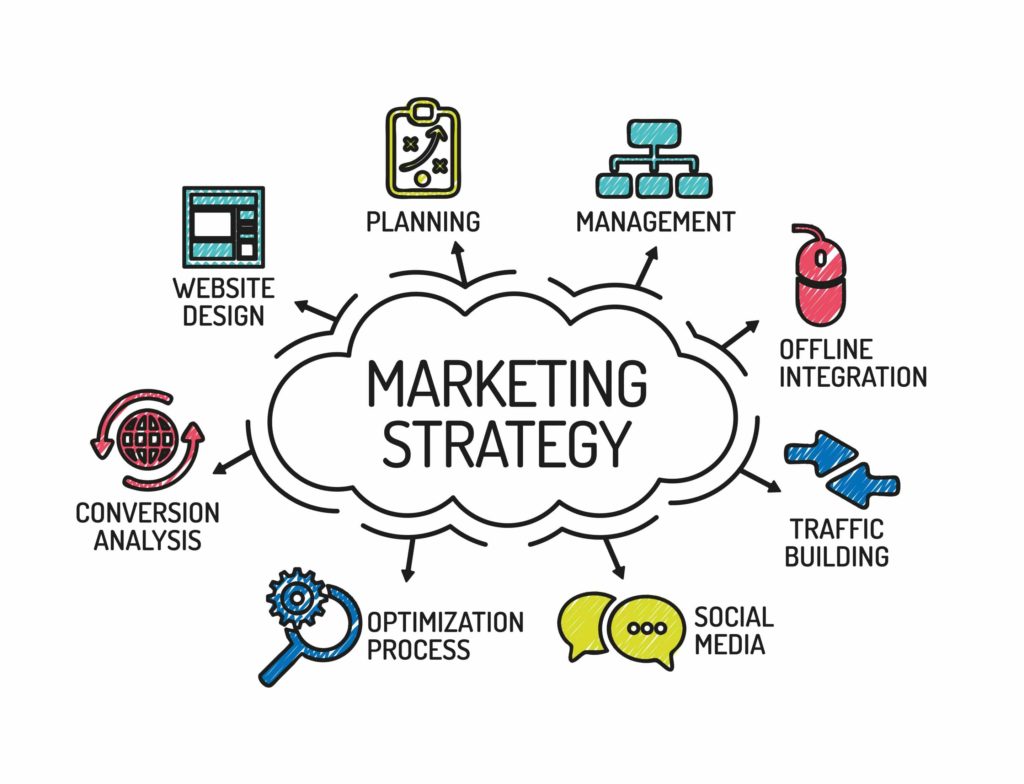
Get FREE Marketing Tips So You Can Grow Your Online Business
Check Out Our Latest Posts
Get Your FREE Gift
"5 Psychological Marketing Tips To Influence Your Customers & Make More Sales"
Download This Free e-book To Learn How To:
Want More Leads, Traffic, & Sales?
Sign Up For Free Tips & Boost Your Results Now!