
Sign Up For Free Tips So You Can:
How to Write Headlines That Turn More Views Into Clicks
A headline is the first conversion decision your reader makes. Before they notice your design, assess your expertise, or read your offer, they decide whether the promise in your headline deserves attention. A strong headline can increase click-through rate by making the benefit clear, creating a reason to act, and matching the reader’s immediate need.
Doubling clicks is never guaranteed by a single formula. Results depend on the audience, traffic source, offer, and page experience. However, a deliberate headline process gives you far better odds than guessing or relying on clever wording alone.
For more practical guidance on copywriting, consumer psychology, and conversion strategy, explore marketing insights that connect headline writing with the rest of the customer journey.
Start With The Reader’s Desired Outcome
Effective headlines focus on what the reader wants to gain, avoid, or accomplish. “Email Marketing Tips” describes a subject, while “Get More Sales From Every Email You Send” presents a valuable result. The second version gives the audience a reason to continue.
Study customer language before drafting headline variations. Review sales calls, support messages, product reviews, survey responses, and comments on competing content. Look for repeated phrases that reveal frustrations and ambitions. When your headline reflects the words people already use, it feels more relevant and less like an advertisement.
A clear benefit should appear as early as possible. Lead with saved time, reduced cost, increased revenue, improved confidence, or a specific transformation. Readers should understand the likely payoff within a few seconds.
Add Specificity Without Making The Promise Smaller
Specific headlines are easier to believe because they give the mind something concrete to evaluate. “Build Better Habits” is broad. “Build a 15-Minute Morning Routine You Can Keep for 30 Days” creates a clearer picture and sets useful boundaries.
Numbers can improve scanability and make a claim feel more tangible. Use them when they represent a real feature of the content, such as the number of steps, templates, examples, or days in a plan. Avoid inflated figures that make the promise sound suspicious.
Specificity can also come from naming the audience, situation, or mechanism. Compare “How to Improve Your Ads” with “How Local Plumbers Can Lower Their Cost Per Lead.” The latter filters out casual readers while attracting people who recognize themselves in the message.
Use Curiosity With A Clear Payoff
Curiosity encourages a click when it opens a knowledge gap the reader genuinely wants to close. A headline such as “The Landing Page Mistake That Quietly Kills Conversions” creates tension because the audience wants to know whether it is making that mistake.
Curiosity works best when paired with a meaningful benefit. “You Won’t Believe What Happened Next” withholds too much and feels generic. “The Checkout Change That Recovered 18% of Abandoned Carts” provides enough context to establish value while leaving a specific question unanswered.
Do not hide the subject of the content simply to create suspense. Misleading headlines may generate an initial click, yet they damage trust, increase bounce rates, and weaken future engagement. The headline should create an accurate expectation that the page fulfills.
Match The Headline To Search And Social Intent
A headline that performs well in search often includes the language people type into a search engine. Place the primary topic near the beginning when it fits naturally, then add the outcome or angle that distinguishes your page. For example, “Conversion Copywriting: 7 Ways to Make Product Pages Sell More” combines relevance with a practical promise.
Social platforms reward a slightly different mix. A social headline may benefit from emotional contrast, a timely observation, or a strong point of view. The same article can use a search-friendly title on its page and a more curiosity-driven variation in a social post, provided both accurately represent the content.
Review the full context around the headline. An excellent title can underperform when the preview image, description, or call to action sends a conflicting message. Consistency between the headline and landing page helps turn attention into qualified traffic.
| Headline approach | Example | Best use | Common risk |
|---|---|---|---|
| Direct benefit | Get More Qualified Leads From Your Website | Service pages and guides | Sounds broad without a specific audience |
| Numbered promise | 9 Landing Page Fixes That Increase Sign-Ups | Educational content | Feels generic if the tips lack depth |
| Problem focused | Why Your Best Visitors Leave Without Buying | Diagnostic articles | Can sound negative or alarmist |
| Curiosity led | The Pricing Detail Most SaaS Pages Forget | Social and editorial content | Too vague if the payoff is unclear |
| Audience specific | How Freelancers Can Raise Rates Without Losing Clients | Niche campaigns | Limits reach when the audience is defined too narrowly |
Build Several Versions Before Choosing One
The first headline is usually a draft, not the final answer. Write at least five variations using different angles: benefit, problem, curiosity, audience, and speed. This prevents you from polishing one weak idea and helps reveal which promise has the strongest emotional pull.
Change one major element at a time when refining. Test “Save Two Hours a Week” against “Save Two Hours a Week on Content Planning,” then compare both with a version focused on reduced stress. Controlled differences make performance data easier to interpret.
Use a headline analyzer as a secondary tool, not as the decision-maker. A score can highlight vague wording, excessive length, or weak emotional language, but it cannot understand your customer as well as research can. Clarity and relevance should outweigh an attractive software grade.
Test For Click Through Rate And Quality
A higher click-through rate matters only when the visitors are interested in the offer. Track clicks alongside bounce rate, time on page, sign-ups, sales, and downstream revenue. A sensational headline may win attention while attracting people who were never likely to buy.
Run tests long enough to collect meaningful data and compare similar traffic sources. Seasonal campaigns, different audience segments, and changing ad placements can distort the result. If you have limited traffic, begin with clear before-and-after comparisons and record the context surrounding each change.
Headline Checks Before Publishing
A fast review can catch problems that weaken even a promising headline. Use these checks:
- State a meaningful benefit, outcome, or useful insight.
- Identify the intended reader when the content serves a defined audience.
- Replace vague adjectives with concrete details or evidence.
- Make sure the headline matches the page and the promotional message.
- Create a second version with a different emotional or strategic angle.
Read each version aloud and remove unnecessary words. Strong copy is often easier to scan than to admire. If the value disappears when the headline is shortened, the underlying promise may need sharper definition.
Turn A Strong Promise Into More Clicks
A headline that doubles your click-through rate begins with customer insight, then improves through specificity, relevance, and disciplined testing. The goal is not to make every title dramatic. It is to make the right reader feel that clicking is the most useful next step.
Choose one important page today and write five new headline variations for it. Publish the clearest version, measure both clicks and conversions, and use the winning insight to strengthen your emails, ads, articles, and offers.
Expert Marketing Tips & Tricks
We will share with you the latest tips and tricks from proven marketing experts:
- Dominate your target market
- Write powerful sales copy that converts
- Learn traffic secrets to attract unlimited leads
- Create Irresistible offers
- Grow your email list
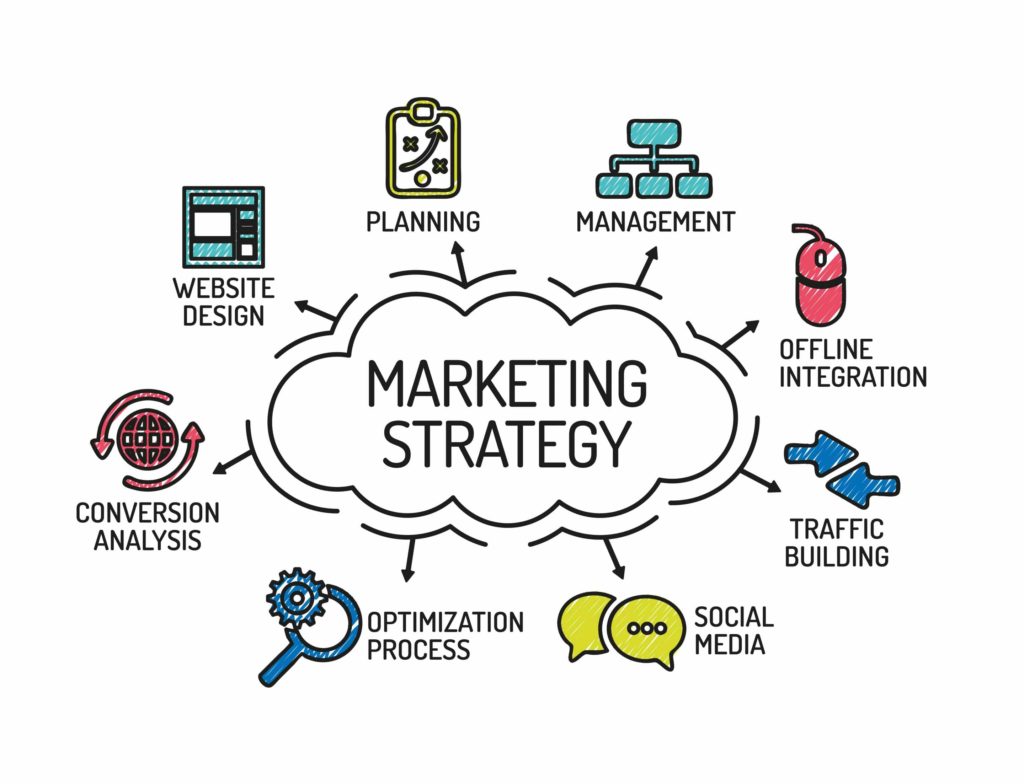
Get FREE Marketing Tips So You Can Grow Your Online Business
Check Out Our Latest Posts
Get Your FREE Gift
"5 Psychological Marketing Tips To Influence Your Customers & Make More Sales"
Download This Free e-book To Learn How To:
Want More Leads, Traffic, & Sales?
Sign Up For Free Tips & Boost Your Results Now!