
Sign Up For Free Tips So You Can:
How to write a subject line that gets opened every time
A strong subject line earns attention before your email earns trust. It appears beside dozens of competing messages, often on a small screen, while the recipient is deciding what deserves a few seconds of focus. Learning how to write a subject line that gets opened every time means combining relevance, curiosity, clarity, and a credible reason to click.
The best email subject lines do not rely on hype. They connect with a real desire, problem, event, or decision already occupying the reader’s mind. They also make a specific promise that the email can keep.
For more practical guidance on copywriting, conversion psychology, and email marketing, explore marketing advice designed for businesses that want more attention and sales from their campaigns.
Start with the reader’s immediate motivation
Before writing a single line, identify why the subscriber should care today. A useful subject line may offer a solution, reveal an insight, reduce uncertainty, save time, or create a timely opportunity. The motivation should come from the reader’s situation rather than the sender’s need to promote something.
Consider the difference between “Our New Marketing Guide” and “The 15-Minute Fix for Weak Email Copy.” The first describes the sender’s asset. The second highlights a recognizable problem and a practical benefit. Specificity gives the recipient a reason to open now.
Audience research makes this easier. Review customer questions, support tickets, search terms, survey responses, and phrases used during sales calls. When your subject line reflects the language people already use, it feels relevant instead of manufactured.
Make the promise clear and specific
A subject line should quickly answer the silent question, “What will I get if I open this?” The answer might be a useful technique, a timely update, a discount, a warning, or a new perspective. Vague curiosity can attract attention, but relevant curiosity earns more consistent engagement.
Numbers can sharpen a promise when they represent something meaningful. “Three Ways to Recover Abandoned Carts” is easier to understand than “Better Cart Results.” A time frame can help too: “Improve Your Welcome Email in 20 Minutes” creates a manageable expectation.
Specificity does not require a long line. Remove filler words, unnecessary adjectives, and internal terminology. Put the valuable idea near the beginning because mobile inboxes may truncate the rest. The opening words should carry enough meaning to stand alone.
Use curiosity without hiding the value
Curiosity-driven subject lines work when they open a knowledge gap connected to a clear benefit. “The pricing mistake costing you qualified buyers” creates tension, while the implied benefit is avoiding lost revenue. The email must then resolve that tension quickly and honestly.
Psychology can strengthen this approach. For example, understanding the decoy effect can help marketers explain why customers compare offers in unexpected ways. A subject line such as “Why your middle package gets ignored” hints at a useful explanation without giving away the entire message.
Avoid mystery for its own sake. “You won’t believe what happened” may generate occasional opens, but it provides no meaningful context and can weaken trust. Curiosity should make the reader more informed about the potential value, not less informed about the email’s purpose.
| Subject line approach | Example | Best use | Common risk |
|---|---|---|---|
| Direct benefit | Get more replies from your next campaign | Practical advice | May feel generic without a distinct result |
| Problem-focused | Why your emails lose attention after line one | Education and diagnosis | Can sound overly negative |
| Curiosity with context | The small offer change that lifted conversions | Case studies and insights | Must deliver the promised explanation |
| Timely urgency | Enrollment closes Friday at midnight | Deadlines and limited availability | False urgency damages credibility |
| Personalized relevance | A landing page idea for your SaaS trial | Segmented campaigns | Weak personalization feels automated |
Personalize beyond the first name
Adding a first name can help, but it is no longer a complete personalization strategy. Stronger relevance comes from using information about behavior, needs, industry, purchase stage, or previous engagement. A subject line for a recent customer should differ from one written for a new subscriber.
Segmentation allows you to make the promise more precise. A retailer can separate browsing behavior from past purchases. A consultant can distinguish beginners from advanced clients. An affiliate marketer can tailor messaging according to the category or product a subscriber has shown interest in.
Personalization must remain accurate. Mentioning a product someone viewed months ago may feel intrusive or irrelevant. Use customer data to improve timing and usefulness, not to demonstrate how much information your company stores.
Create urgency that readers can trust
Urgency works when a genuine reason exists to act soon. Deadlines, limited inventory, expiring bonuses, scheduled events, and changing availability can all support an urgent subject line. State the reason clearly so the reader understands what is at stake.
Compare “Last chance for the early-bird price” with “Act now before it’s gone.” The first identifies the deadline-related benefit; the second is vague and resembles common promotional noise. Honest urgency protects your sender reputation because subscribers learn that your warnings mean something.
Scarcity should also match the offer. Do not claim limited availability for a digital product that can be purchased indefinitely. If the email is valuable without an immediate purchase, lead with the benefit and place urgency in the preview text or body.
Test the details that influence opens
Even a strong concept can perform differently depending on wording. Test one major variable at a time when possible: a benefit versus a question, a number versus a descriptive phrase, or a direct statement versus a curiosity angle. Small changes can reveal what your audience responds to.
Track more than the open rate. Privacy changes and automated inbox activity can make opens less precise than they once were. Compare clicks, replies, conversions, unsubscribes, and revenue alongside opens to learn whether the subject line attracts qualified attention.
Preview the full message on mobile and desktop before sending. Check how the subject line appears beside the sender name and preheader text. These elements form a single package, so avoid repeating the same phrase across all three.
Build a repeatable subject line habit
Use this quick review before scheduling an email:
- Does the line promise a clear benefit or useful insight?
- Is the language specific enough to distinguish the email from ordinary promotions?
- Does it reflect the recipient’s current problem, goal, or stage?
- Can the email deliver exactly what the subject line implies?
- Have you checked the mobile preview, preheader, and call to action?
Keep a record of your tests and results. Over time, patterns will emerge around length, tone, urgency, personalization, and offer type. Your own audience data will become more valuable than generic subject-line formulas.
Write several variations before choosing one. The first draft usually describes the email, while the strongest version communicates why the recipient should care. Refine for clarity, trim excess words, and select the line that makes the email’s value easiest to understand.
Make your next campaign an experiment with a measurable purpose. Draft three subject lines, pair each with a relevant preheader, and track the response through clicks and conversions. With consistent testing and honest promises, every send can become a sharper lesson in what earns attention and drives action.
Expert Marketing Tips & Tricks
We will share with you the latest tips and tricks from proven marketing experts:
- Dominate your target market
- Write powerful sales copy that converts
- Learn traffic secrets to attract unlimited leads
- Create Irresistible offers
- Grow your email list
Get FREE Marketing Tips So You Can Grow Your Online Business
Check Out Our Latest Posts
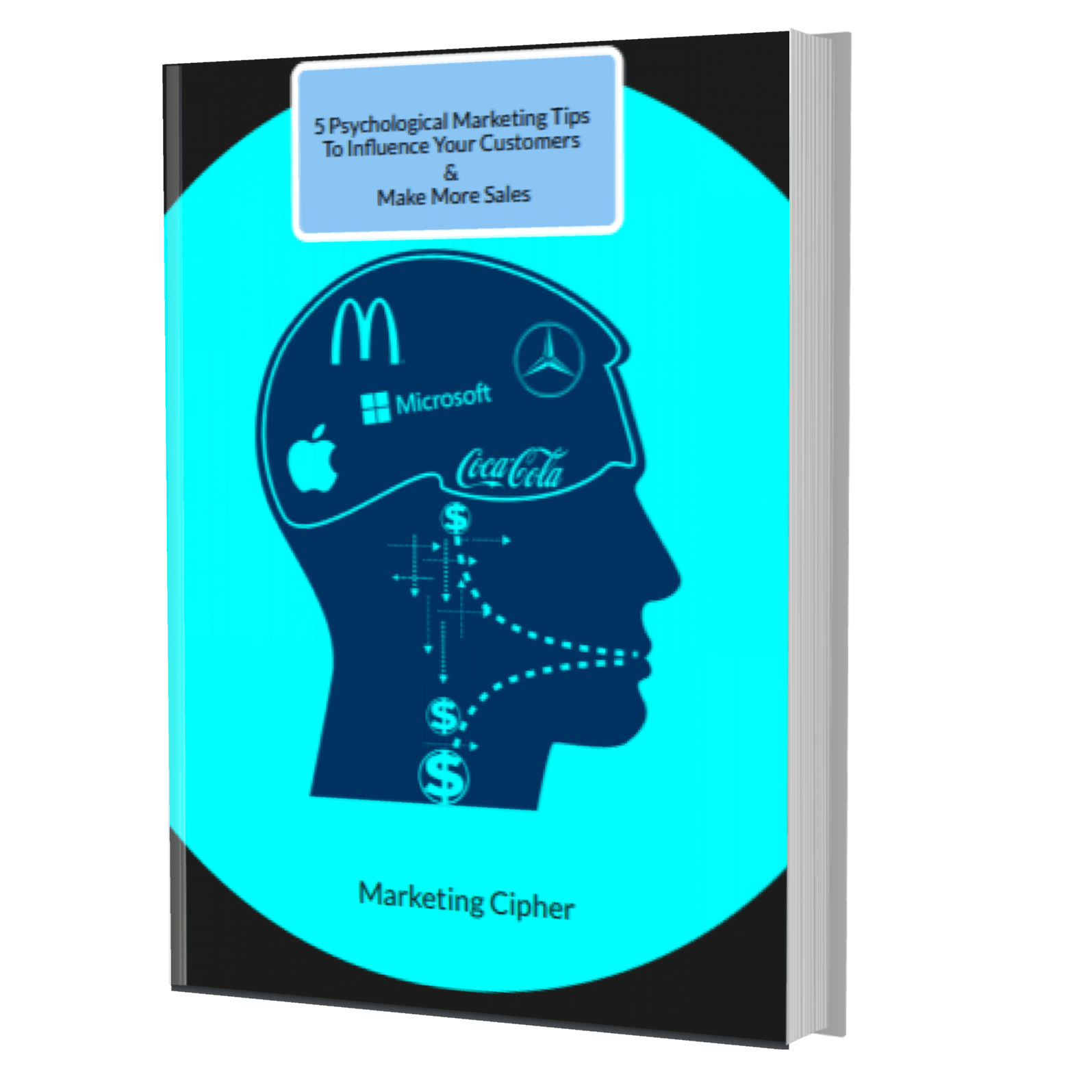
Get Your FREE Gift
"5 Psychological Marketing Tips To Influence Your Customers & Make More Sales"
Download This Free e-book To Learn How To:
Want More Leads, Traffic, & Sales?
Sign Up For Free Tips & Boost Your Results Now!