
Sign Up For Free Tips So You Can:
How to Write an About-Me Page That Leads With Value
An About-Me page should do more than recount your career, qualifications or personal interests. Its real job is to help the right visitor understand what you can do for them, why your approach is credible and what action makes sense next. When the page leads with the reader’s needs, your experience becomes evidence rather than the main event.
This matters for Australian businesses competing in crowded local and online markets. A consultant in Melbourne, a tradie serving Western Sydney or an ecommerce brand shipping from Brisbane may have only a few seconds to turn curiosity into trust. A clear personal brand story can support lead generation, email sign-ups and sales without sounding like a polished autobiography.
Start With The Reader’s Desired Outcome
Before writing about yourself, identify what visitors are trying to achieve. A prospective client may want fewer admin headaches, a stronger sales funnel or a reliable person to fix a pressing problem. A buyer may simply want confidence that the product suits their needs. Your page should make those desired outcomes visible early.
Turn personal details into customer-focused proof. Instead of writing, “I have fifteen years of marketing experience,” explain, “I use that experience to help small businesses turn scattered website traffic into qualified enquiries.” The second version connects your background to a practical benefit.
A useful test is to review every paragraph and ask whether it builds relevance, trust or momentum. If a detail does none of these things, remove it or move it lower on the page. Visitors are rarely looking for a complete life history; they are looking for a reason to continue.
Build A Story Around The Problem You Solve
A strong personal brand story has a simple structure: the problem you noticed, the insight you developed and the way that insight now helps clients or customers. This gives your page a narrative while keeping the focus on the market you serve.
For example, a copywriter might explain how confusing service pages caused good businesses to lose enquiries. A web strategist could describe seeing Australian operators spend money on ads before fixing their offer and follow-up process. These stories feel personal because they show your perspective, yet they remain useful because the reader can recognise their own situation.
Use specific language rather than broad claims such as “I’m passionate about helping people succeed.” Say what you help people do, who you help and what changes after working with you. Local phrasing can add warmth: “I help busy Aussie business owners make their websites easier to understand and easier to buy from.”
Use Evidence Without Turning It Into A Trophy Cabinet
Credibility comes from relevant evidence, not a long list of achievements. Include selected results, client types, qualifications or experiences that reduce a visitor’s uncertainty. A short case study can be more persuasive than ten lines of self-praise.
Evidence should explain the circumstances as well as the outcome. “Helped a Sydney retailer increase email revenue” is stronger when paired with the action taken, such as rebuilding abandoned-cart emails or clarifying the offer. Where exact figures are confidential, describe the measurable change honestly, such as shorter sales cycles, more booked calls or improved enquiry quality.
You can also demonstrate expertise through useful resources. A page that directs visitors to practical discount strategy advice, for instance, shows an interest in helping them make better commercial decisions. This approach creates authority through generosity rather than self-congratulation.
Make The Page Sound Human And Easy To Trust
Readers respond to a distinct voice, especially when choosing an individual service provider. Write as you speak, then edit for clarity. A friendly “Here’s how I work” may suit an Australian audience better than stiff corporate language. You can use “mate” sparingly where it genuinely matches your brand, but avoid forcing slang into every sentence.
Trust also comes from acknowledging boundaries. Explain who you are best suited to help, what your process includes and what you do not promise. A specialist who works with service businesses around Melbourne or ecommerce brands across Australia can sound more credible than someone claiming to serve everyone.
Add a natural photograph, a brief behind-the-scenes detail or a short explanation of why your method matters. If you sell a distinctive product, even a link to a specialist retailer such as Hot Sauce Drops can illustrate how personality and product knowledge work together. The detail should support your positioning, not distract from it.
Give Visitors A Clear Next Step
An About-Me page should lead somewhere. Choose one primary call to action based on the visitor’s likely stage of awareness. New visitors may be ready to read a guide or join an email list, while people who already understand the problem may be ready to book a consultation or request a quote.
Make the action specific and connected to the value you have described. “Get help with your funnel” is more meaningful than “Click here.” A marketing education brand might invite readers to explore Marketing Cipher for practical advice on copywriting, offers and conversion strategy.
You can also use an open loop to encourage further reading: mention a common mistake that the next resource explains, then link to it. The Zeigarnik effect is useful here because an unresolved idea can create enough curiosity to keep a visitor moving through your content. Keep the promise clear and make sure the linked page delivers on it.
Review your About-Me page every few months. Update outdated offers, add stronger proof and remove personal details that no longer support your positioning. Then read it as a potential customer from Perth, Adelaide or regional Queensland would: does the page quickly explain what you offer, why it matters and what to do next?
Rewrite your page around the problems you solve, the evidence you can share and the action you want visitors to take. Lead with their progress, let your story provide context, and give them a simple next step that makes moving forward feel worthwhile.
Expert Marketing Tips & Tricks
We will share with you the latest tips and tricks from proven marketing experts:
- Dominate your target market
- Write powerful sales copy that converts
- Learn traffic secrets to attract unlimited leads
- Create Irresistible offers
- Grow your email list
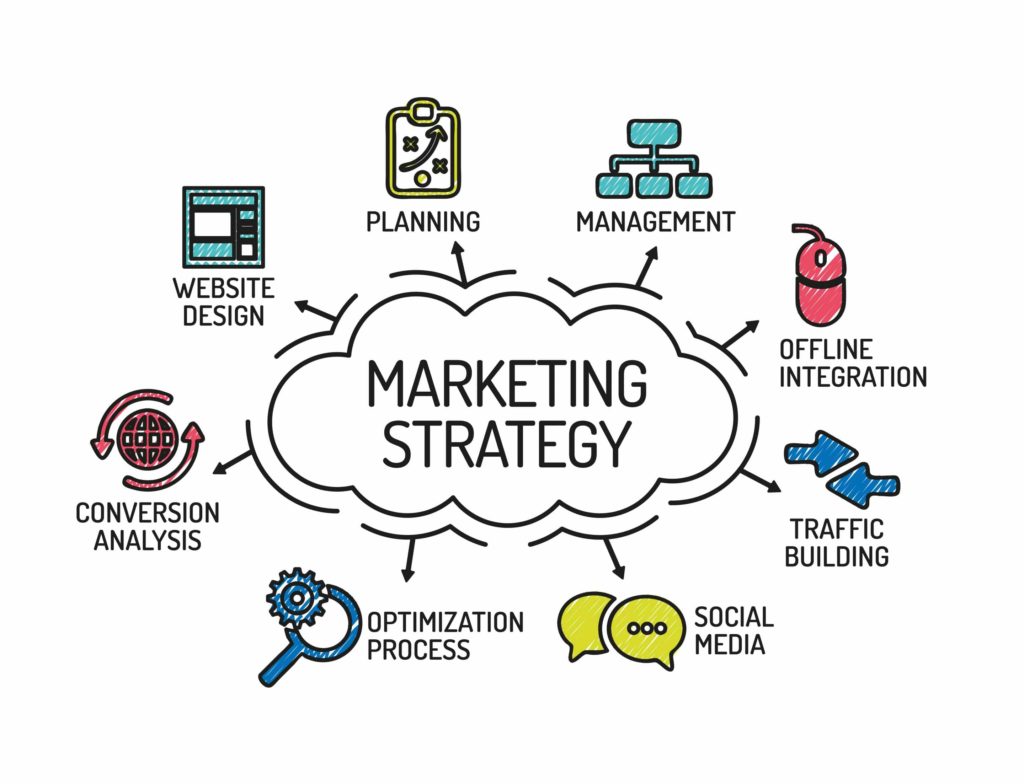
Get FREE Marketing Tips So You Can Grow Your Online Business
Check Out Our Latest Posts
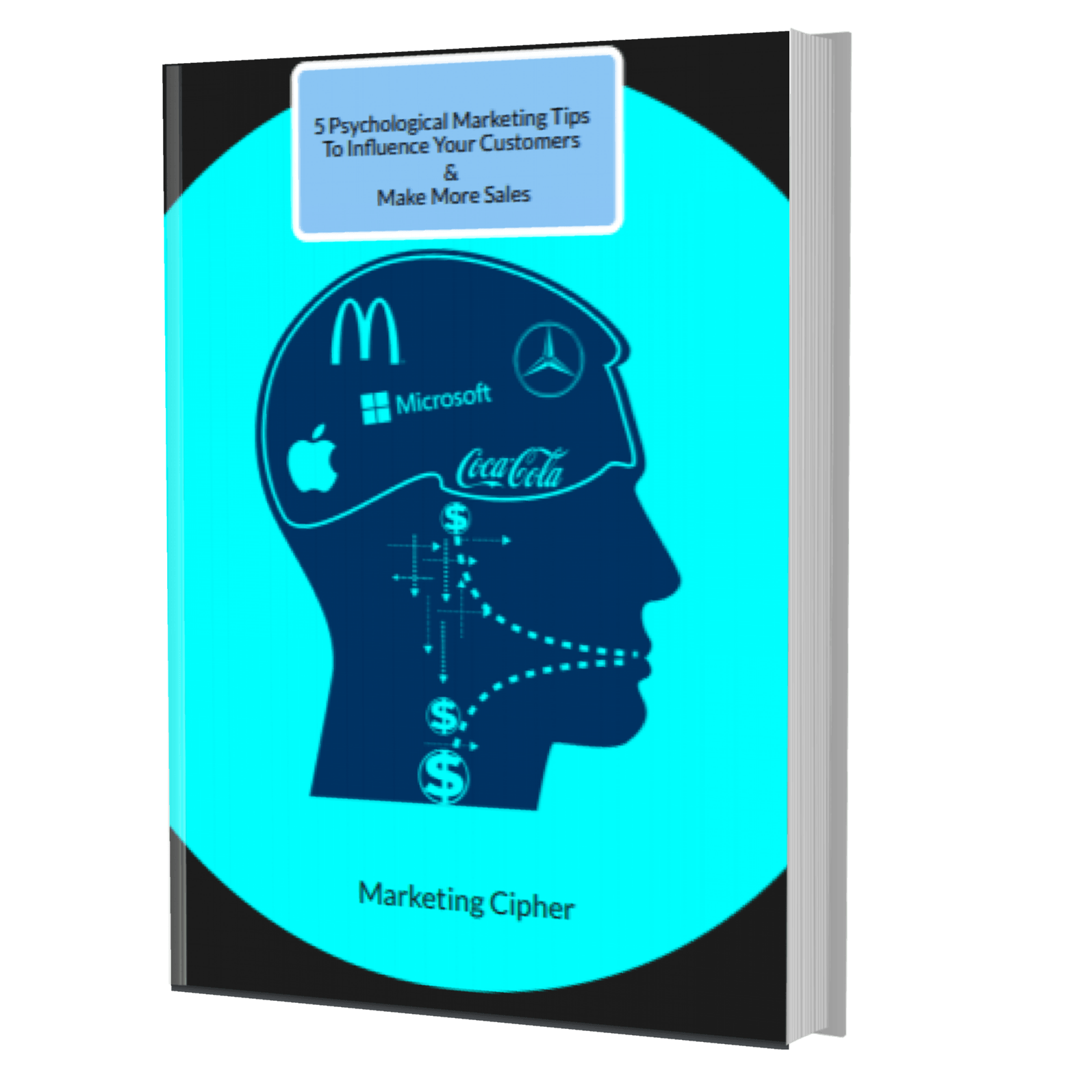
Get Your FREE Gift
"5 Psychological Marketing Tips To Influence Your Customers & Make More Sales"
Download This Free e-book To Learn How To:
Want More Leads, Traffic, & Sales?
Sign Up For Free Tips & Boost Your Results Now!