
Sign Up For Free Tips So You Can:
The Anatomy of a High-Converting Affiliate Sales Page
An affiliate sales page has one job: move a qualified visitor from interest to action. It may promote software, a course, a physical product, or a subscription, but the conversion principles remain consistent. Every section should reduce uncertainty, strengthen desire, and make the next step obvious.
The strongest pages do not read like aggressive advertisements. They feel like useful buying guidance. They connect a specific problem with a credible solution, explain why the offer fits, and give visitors enough evidence to act with confidence.
Affiliate marketers can improve these pages by combining direct-response copywriting, consumer psychology, persuasive design, and conversion tracking. A clear structure turns scattered product details into a focused sales argument.
Start With A Specific Promise
The headline should immediately communicate the result the visitor wants. “Get Better Software” is vague, while “Automate Your Weekly Reporting In Half The Time” creates a clearer mental picture. Specificity helps the right audience recognize that the offer applies to their situation.
A strong headline is usually supported by a short subheadline that explains how the product delivers the benefit. Mention the audience, the desired outcome, or the distinctive mechanism. If the affiliate offer includes a free trial, bonus, guarantee, or limited-time incentive, place that information near the opening without allowing it to distract from the core promise.
The opening copy should also qualify the reader. A page designed for freelance designers should speak directly to freelancers rather than trying to appeal to every possible customer. Relevance improves engagement and sends more motivated visitors toward the call to action.
Translate Features Into Buyer Benefits
Features describe what a product contains. Benefits explain why those details matter. A project management platform may include automated reminders, but the benefit is fewer missed deadlines and less time spent chasing updates. Effective affiliate copy makes this translation for the reader.
Use a simple pattern: feature, practical advantage, personal outcome. For example, “The platform creates branded reports automatically, so agencies can present polished results without rebuilding documents each month.” This style helps readers imagine using the product in their own lives.
Prioritize benefits according to buying motivation. Some visitors care about saving time, while others want lower costs, fewer errors, greater status, or a simpler workflow. Review customer comments, product testimonials, support questions, and competitor reviews to discover the language real buyers already use.
Create A Clear Decision Path
Page structure should guide attention in a logical sequence. A visitor typically needs to understand the promise, recognize the problem, see the solution, evaluate the evidence, and receive a clear instruction. Random feature blocks and repeated buttons can create friction rather than urgency.
Use descriptive subheadings, short paragraphs, visual spacing, and focused calls to action. The primary button should state what happens next, such as “Start The Free Trial” or “See Available Plans,” instead of relying on a generic “Click Here.” Keep the action consistent throughout the page so visitors never wonder which option is the main one.
The following comparison shows how common page elements support different stages of the buying decision:
| Page Element | Visitor Question | Conversion Function |
|---|---|---|
| Benefit-led headline | “Is this relevant to me?” | Captures attention |
| Problem description | “Does this understand my situation?” | Builds recognition |
| Product explanation | “How does it work?” | Reduces confusion |
| Demonstration or screenshots | “Can I trust the experience?” | Makes the offer tangible |
| Testimonials and reviews | “Has it worked for people like me?” | Adds social proof |
| Guarantee or trial | “What if it is not right for me?” | Lowers perceived risk |
| Call to action | “What should I do now?” | Directs the next step |
A sales page should also perform well on mobile devices. Large tap targets, readable text, compressed images, and a visible action button matter because many affiliate clicks come from email, social media, and mobile search traffic.
Use Proof That Feels Relevant
Testimonials are most persuasive when they identify a recognizable problem and describe a concrete change. “Great product” offers little information. “We reduced client onboarding from two days to three hours” gives the claim context and makes the result easier to evaluate.
Place proof close to the claim it supports. A customer quote about ease of setup belongs near the onboarding section, while a revenue-related testimonial fits better beside pricing or performance information. Screenshots, case studies, ratings, expert reviews, and product demonstrations can reinforce the same argument from different angles.
Credibility also depends on transparency. Explain your affiliate relationship in a straightforward way, disclose important limitations, and avoid promising results that the merchant cannot support. Ethical disclosure protects trust and helps visitors distinguish informed recommendations from exaggerated promotion.
Address Doubts Before The Click
Most visitors carry objections, even when they are interested. They may worry about price, setup time, compatibility, recurring charges, privacy, or whether the product will work in their specific circumstances. A high-converting page answers these concerns before they become reasons to leave.
An FAQ section is useful when it contains real buying objections rather than filler. Answer each question directly and include practical details such as cancellation terms, refund periods, technical requirements, customer support, and delivery expectations. Clear answers reduce the need for visitors to search elsewhere.
Risk reversal can strengthen the offer through a free trial, money-back guarantee, sample, demo, or transparent comparison. The goal is not to manufacture pressure. It is to make the decision feel proportionate to the visitor’s perceived risk.
Improve The Page With Evidence
Conversion optimization works best when it is treated as a process rather than a one-time design task. Track the source of traffic, page engagement, button clicks, outbound affiliate clicks, and completed purchases where reporting allows. These metrics reveal where interest is being lost.
Use analytics to form specific hypotheses. If visitors leave after the pricing section, the offer may need clearer value framing. If many people reach the call to action but few click, the button copy or surrounding reassurance may be weak. Test one meaningful change at a time so the result can be interpreted accurately.
Launch Checklist
- Match the headline to the visitor’s intent and the traffic source.
- Connect major features to measurable or emotionally relevant benefits.
- Add testimonials, demonstrations, reviews, or other credible proof.
- Explain pricing, guarantees, limitations, and affiliate disclosure clearly.
- Test the page on mobile devices and track outbound clicks.
The best marketing education combines strategic thinking with practical execution. Resources from Marketing Cipher can help affiliate marketers refine copy, understand buyer psychology, and build stronger traffic and conversion systems.
Build the page around the buyer’s decision, not the merchant’s product catalog. Lead with a meaningful promise, support it with evidence, remove avoidable risk, and make the next action unmistakable. Then publish, measure the response, and improve the sections that create the most friction.
Expert Marketing Tips & Tricks
We will share with you the latest tips and tricks from proven marketing experts:
- Dominate your target market
- Write powerful sales copy that converts
- Learn traffic secrets to attract unlimited leads
- Create Irresistible offers
- Grow your email list
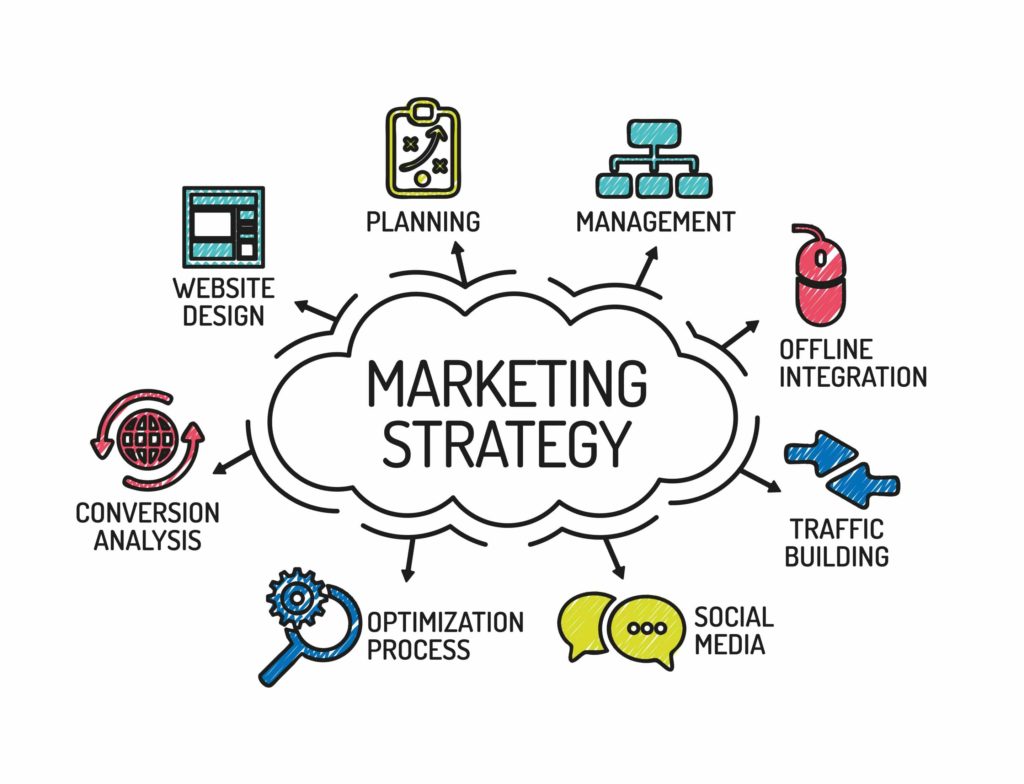
Get FREE Marketing Tips So You Can Grow Your Online Business
Check Out Our Latest Posts
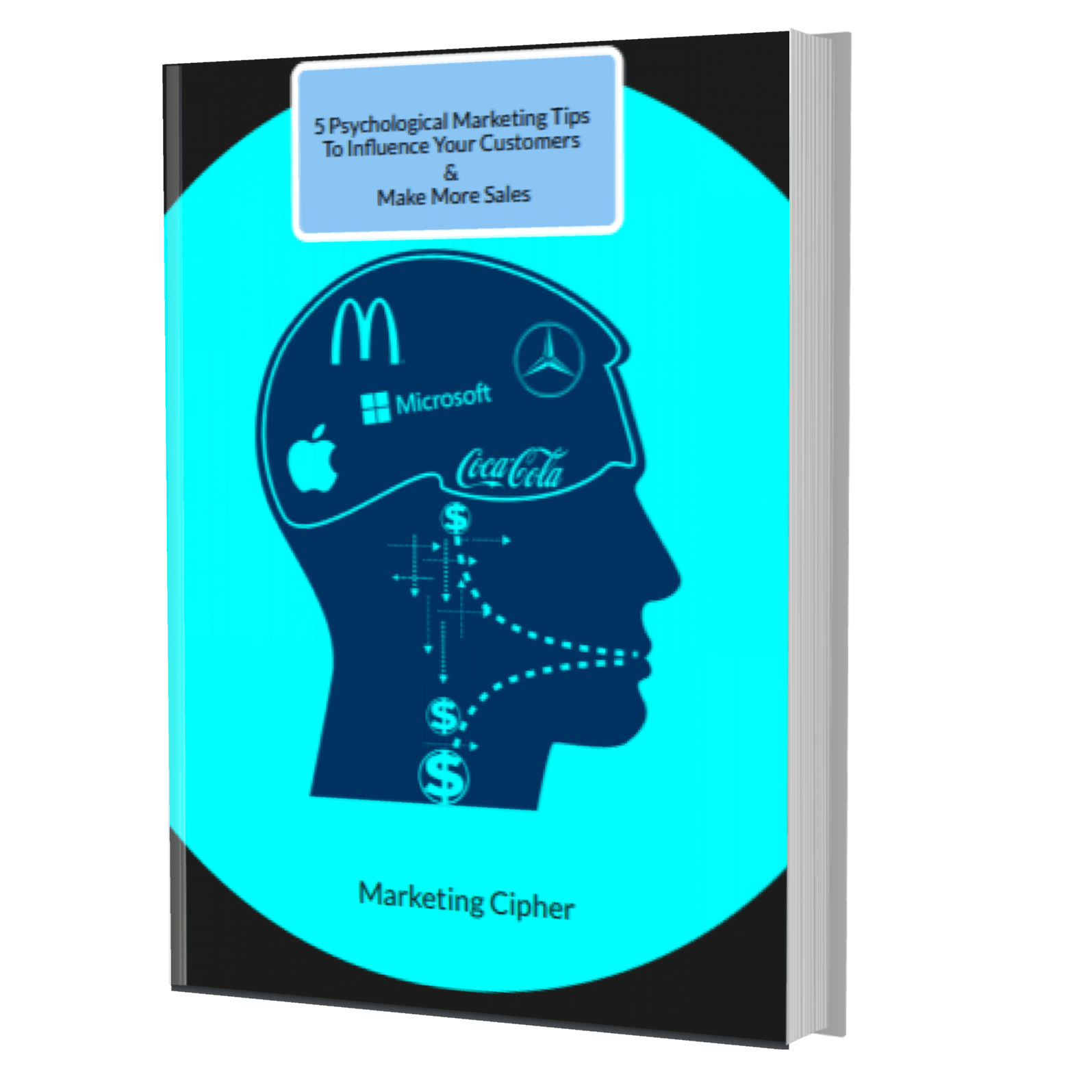
Get Your FREE Gift
"5 Psychological Marketing Tips To Influence Your Customers & Make More Sales"
Download This Free e-book To Learn How To:
Want More Leads, Traffic, & Sales?
Sign Up For Free Tips & Boost Your Results Now!