
Sign Up For Free Tips So You Can:
The art of writing a memorable brand tagline
A tagline is a compact promise attached to your brand. In a few words, it can signal what you sell, how you make people feel, and why your business deserves attention. The strongest examples are easy to recall because they express one clear idea rather than trying to explain everything.
A memorable brand line also gives your marketing a consistent voice. It can appear on a website, product label, email footer, social profile, podcast introduction, or shopfront without sounding forced. For Australian businesses, the right phrase can make a brand feel practical, warm, confident, and distinctly local.
Writing one takes more than clever wordplay. You need a firm understanding of your audience, a useful point of difference, and enough discipline to remove every unnecessary word. The result should support your offers and make your wider copy easier to recognise.
Start with a clear brand promise
Before drafting slogans, define the outcome your customer wants. A café may sell coffee, but its deeper promise could be a reliable morning ritual. An accounting firm may handle tax returns, while its real value is giving small-business owners confidence at tax time.
Write the promise in a plain sentence first: “We help busy families prepare healthy dinners quickly.” This statement is not the final tagline, but it gives you a strategic foundation. It keeps the creative process tied to a meaningful benefit instead of a vague personality statement.
Find the emotional centre
People remember feelings more readily than feature lists. Consider the emotional shift your product creates: relief, energy, belonging, pride, safety, freedom, or curiosity. A strong tagline turns that shift into language customers can recognise immediately.
Look at the way Australian brands often use relaxed confidence. Words such as “easy”, “fair dinkum”, “local”, and “made for real life” can feel familiar when they fit the brand. Avoid forcing slang, though. A corporate software company using “no worries” may sound awkward if its customer experience is formal and technical.
Make one idea do the work
A tagline becomes forgettable when it tries to include quality, affordability, speed, innovation, service, sustainability, and heritage in one breath. Choose one central message and let your website, advertising, and sales copy provide the supporting detail.
This principle matters during busy retail periods such as EOFY, Christmas, or the weeks before school returns. Your campaign may have several offers, but the brand line should remain stable. Consistency builds recognition while individual promotions create urgency.
Use simple, distinctive language
Short does not automatically mean memorable. “Quality products for better living” is concise, yet it could belong to thousands of businesses. Distinctiveness comes from a specific image, an unexpected contrast, a rhythmic phrase, or a sharply expressed benefit.
Read potential lines aloud and listen for natural rhythm. A phrase that sounds good in a Sydney radio advertisement may feel clumsy on a Melbourne billboard if it contains too many syllables. Test pronunciation, spelling, and meaning across Australian accents and everyday conversation before committing.
Connect the tagline to the customer journey
Your brand line should make sense at every important touchpoint. Place it beside your headline, product promise, email subject lines, and calls to action. If the tagline suggests simplicity but your checkout process is confusing, the words will expose the gap rather than strengthen the brand.
Use your tagline as a filter for marketing decisions. The free marketing education resources can help you connect brand positioning with copywriting, conversion strategy, and lead generation. When the promise guides your campaigns, it becomes a practical tool rather than decoration beneath a logo.
Test recall, meaning, and fit
Show a shortlist to people who resemble your target customers. After a brief exposure, ask them what they remember and what they think the business offers. Do not explain the intended meaning first; their unprompted interpretation is the useful evidence.
Check whether the phrase works in paid search, social posts, packaging, and spoken recommendations. A tagline for a Gold Coast fitness studio may need a bright, energetic tone, while a regional insurance provider may benefit from steadiness and trust. Test with customers from different states and age groups if you serve the whole country.
Protect the line as the brand grows
A tagline should leave room for future products and campaigns. A narrow statement can work for a single launch but become restrictive when your business expands. Aim for a line connected to your enduring value, not a temporary product feature or trend.
Cultural context matters when you sell beyond Australia. A phrase that feels warm in Brisbane may require adaptation for customers in Peru or other markets, where humour, formality, and buying motivations differ; Peru market insights can provide a useful reminder to examine local context rather than translate blindly. Similarly, a playful food brand should ensure its wording suits both a supermarket shelf and a premium online offer, such as a hot sauce range.
Begin with several rough directions: benefit-led, emotional, descriptive, and playful. Reduce them to the lines that are easy to say, hard to confuse, and closely tied to a genuine customer promise. Then use the winning phrase consistently across your website, campaigns, packaging, and sales material so your audience hears it often enough to remember it.
Expert Marketing Tips & Tricks
We will share with you the latest tips and tricks from proven marketing experts:
- Dominate your target market
- Write powerful sales copy that converts
- Learn traffic secrets to attract unlimited leads
- Create Irresistible offers
- Grow your email list
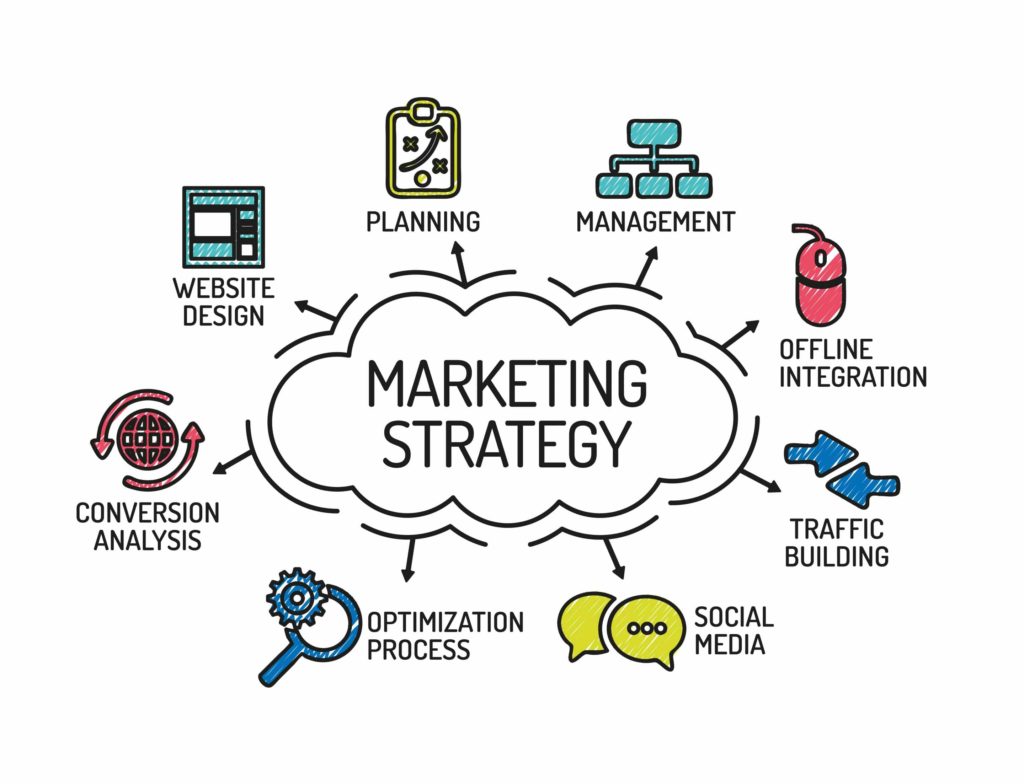
Get FREE Marketing Tips So You Can Grow Your Online Business
Check Out Our Latest Posts
Get Your FREE Gift
"5 Psychological Marketing Tips To Influence Your Customers & Make More Sales"
Download This Free e-book To Learn How To:
Want More Leads, Traffic, & Sales?
Sign Up For Free Tips & Boost Your Results Now!