
Sign Up For Free Tips So You Can:
How to Repurpose One Blog Post Into Multiple Marketing Assets
A well-researched blog post can do far more than attract search traffic for a few weeks. With the right process, one useful article can become social content, email copy, video material, lead magnets and sales assets without feeling repetitive.
This approach is especially valuable for Australian businesses managing lean marketing teams. A single piece of content can support campaigns across Sydney, Melbourne, Brisbane and regional markets while keeping the brand voice consistent.
The key is to begin with the reader’s problem, then reshape the original idea for each channel. Repurposing is not copying and pasting; it is turning one strong message into several useful experiences.
Start With One Strong Source
Choose a blog post with a clear promise, practical advice and enough detail to break into smaller ideas. A guide that explains how to improve email conversions, reduce abandoned carts or create a better offer will usually provide more material than a short opinion post.
Look for sections containing statistics, processes, examples, objections and memorable statements. These become the building blocks for your content library. An article about improving online offers, for example, may contain separate lessons about pricing, urgency, shipping and buyer confidence.
Map The Audience And Channels
Before creating new assets, identify who will see them and where they spend time. LinkedIn may suit a B2B consultancy in Canberra, while Instagram Reels, TikTok or Facebook may perform better for a fashion retailer targeting shoppers in Melbourne or the Gold Coast.
Consider local behaviour and timing. Australian audiences may respond to content scheduled around AEST business hours, EOFY purchasing cycles, public holidays or major retail periods such as Click Frenzy. A local business can also adapt examples around suburb delivery, GST-inclusive pricing and the practical expectations of customers ordering from interstate.
Extract The Core Ideas
Read the post once for its central argument, then again to mark individual insights. A useful extraction list might include the main lesson, three supporting points, a common mistake, a customer question, a statistic and a practical checklist.
Turn each item into a short content brief. For instance, “customers dislike vague offers” could become a LinkedIn post, an email subject line test, a carousel explaining offer clarity and a sales-page section. This keeps every new asset connected to the original strategy.
Convert Lessons Into Social Content
Social posts should deliver a complete idea quickly rather than simply announce that a new article exists. Use one insight per post, then add a specific example or action. A post about abandoned carts might explain why unexpected delivery fees cause hesitation and invite readers to review their checkout page.
Short-form video can follow a simple structure: identify the problem, explain the overlooked reason and show the fix. A 45-second clip filmed for an Australian audience could use plain language such as “Here’s where your checkout starts to go pear-shaped,” provided that tone suits the brand.
Carousels work well for processes and lists. Turn each major section into a slide, use the final slide for a clear next step, and link back to the full article where appropriate.
Build Email And Lead Generation Assets
An email sequence gives the original post a longer commercial life. The first message can introduce the problem, the second can explain a key mistake, and the third can present a practical solution. Each email should stand on its own while encouraging readers to explore the next step.
You can also create a downloadable checklist, worksheet or mini guide from the article. Add examples relevant to local businesses, such as preparing an EOFY promotion, writing shipping terms for Australian customers or setting an offer that works across metro and regional delivery zones.
When the content discusses promotions, link to a deeper resource such as this discount strategy to help readers make a more informed commercial decision.
Adapt The Message For Sales
Repurposed content can support conversion pages when it answers objections at the moment they arise. Extract explanations, proof points and process steps from the blog post, then place them beside a product, service or consultation offer.
A practical article about conversion strategy might generate a homepage section, a comparison block, a customer onboarding email and a sales call talking point. Keep the wording specific: explain what changes, who benefits and what the buyer should do next.
Calls to action should match the reader’s level of commitment. Someone discovering your brand may prefer “Read the guide”, while a warmer visitor may respond to “Book a strategy session”. Review examples of high-converting CTAs before writing buttons, links and closing lines.
Distribute And Refresh The Assets
Create a publishing schedule that gives each format room to work. An article might become a launch email on Monday, a carousel on Tuesday, a short video on Thursday and a customer-focused post the following week. Change the angle each time rather than repeating the headline.
Refresh successful assets when the original information changes. Update statistics, replace expired examples and revise references to seasonal events. An Australian retailer may need to revisit delivery promises before Christmas, while a professional services firm might update its messaging before the next EOFY planning period.
Use a central content document to store the original article, extracted points, captions, scripts, email drafts and performance notes. This makes future repurposing faster and helps anyone on the team maintain the same terminology.
Measure What Each Asset Achieves
Track performance according to the job of each format. Social content may be designed to earn reach and saves, email to generate clicks, and a sales asset to produce enquiries or purchases. Comparing every format by direct sales alone can hide the value of early-stage content.
Review results after enough time has passed to identify patterns. A post with strong saves may deserve a downloadable version, while an email with a high click-through rate could become a webinar topic. Keep the best-performing angles and retire formats that consistently consume time without producing useful engagement.
| Repurposed Asset | Best Use | Useful Metric |
|---|---|---|
| Social post | Reach and conversation | Shares, saves, comments |
| Short video | Attention and education | Watch time, completion rate |
| Email sequence | Nurturing and traffic | Click-through rate |
| Checklist or guide | Lead capture | Downloads and opt-ins |
| Sales-page section | Decision support | Conversion rate |
| Webinar or podcast | Deeper authority | Registrations and enquiries |
A consistent repurposing system turns content production into an asset rather than a recurring scramble. For further marketing ideas, explore Marketing Cipher and use one well-made article as the foundation for your next campaign across search, email, social media and sales.

Expert Marketing Tips & Tricks
We will share with you the latest tips and tricks from proven marketing experts:
- Dominate your target market
- Write powerful sales copy that converts
- Learn traffic secrets to attract unlimited leads
- Create Irresistible offers
- Grow your email list
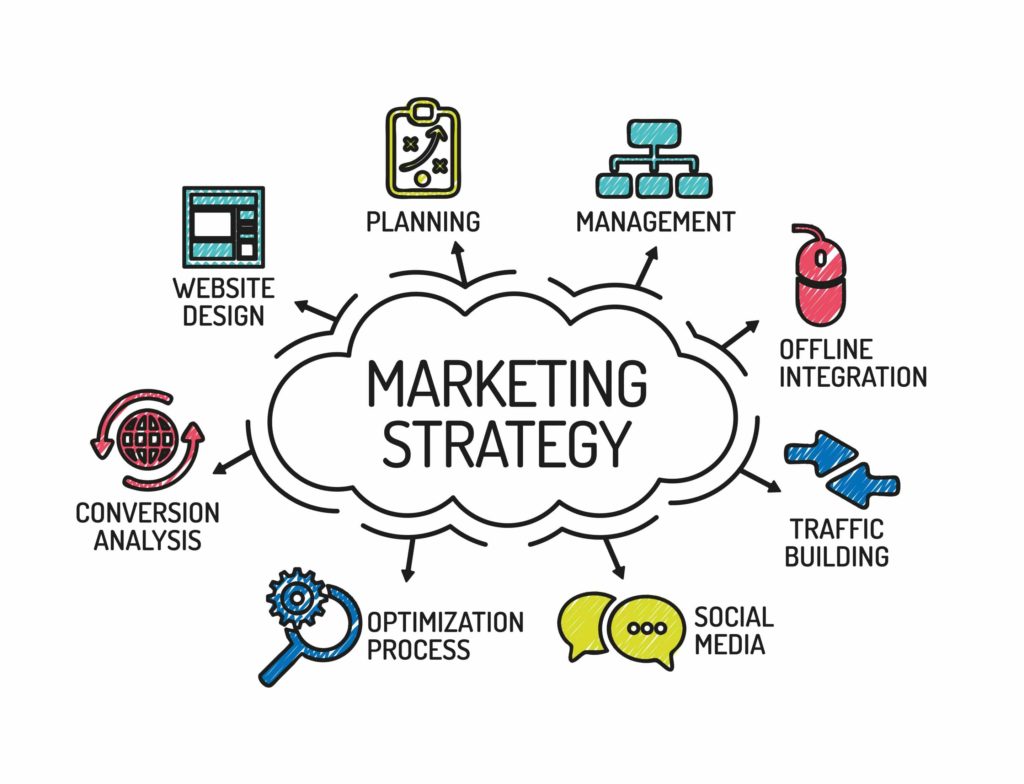
Get FREE Marketing Tips So You Can Grow Your Online Business
Check Out Our Latest Posts
Get Your FREE Gift
"5 Psychological Marketing Tips To Influence Your Customers & Make More Sales"
Download This Free e-book To Learn How To:
Want More Leads, Traffic, & Sales?
Sign Up For Free Tips & Boost Your Results Now!