
Sign Up For Free Tips So You Can:
Why a clear unique selling proposition strengthens your copy
People rarely buy because a business sounds generally competent. They buy when the message quickly explains why this offer is more relevant, useful or trustworthy than the alternatives. A clear unique selling proposition gives your copy that direction, helping prospects understand the value of choosing you.
In crowded Australian markets, customers can compare prices, reviews and delivery times in seconds. A shopper in Melbourne may browse three local retailers before lunch, while a small business owner in Brisbane might compare software providers between client meetings. Your copy needs to make the decision easier before attention moves elsewhere.
A strong proposition is more than a catchy tagline. It is a focused statement about the customer you serve, the problem you solve, the outcome you provide and the reason your business is a credible choice. When this idea is consistent across your website, emails and ads, it becomes a practical conversion tool.
What a unique selling proposition really does
A unique selling proposition, or USP, identifies the distinctive promise behind an offer. It answers the question every prospect silently asks: “Why should I choose this business instead of another one?” The answer may involve a specialised process, a particular audience, a valuable guarantee, faster service or a result competitors do not clearly claim.
Uniqueness does not always mean having a completely original product. A café in Sydney may sell familiar brunch dishes, yet stand out through rapid pre-order pickup for office workers. An accountant may offer standard tax services but specialise in freelancers who need straightforward advice about GST and quarterly obligations.
The strongest positioning connects difference with relevance. A feature is only persuasive when it matters to the buyer. “Australian-owned” may build trust for some audiences, but it becomes stronger when linked to local support, Australian consumer expectations or service hours that suit customers across different states.
Why vague copy loses attention
Weak marketing language often relies on broad claims such as “high quality”, “innovative solutions” or “excellent customer service”. These statements sound positive, but almost every competitor can use them. Because they lack proof and specificity, they give readers little reason to continue.
Vague copy also creates unnecessary mental work. If a visitor must investigate what you sell, who it is for and how it differs, many will leave before reaching your offer. Clear positioning acts like a filter: the right prospects recognise themselves quickly, while people outside your market can move on.
This clarity matters on mobile screens, social media and paid search, where space and attention are limited. A precise headline paired with a supporting sentence can communicate more effectively than several paragraphs of polished but empty brand language.
Build the promise around customer priorities
Start with the customer’s urgent problem rather than your internal description of the business. Review support emails, sales calls, search terms and customer feedback. Look for repeated frustrations, desired outcomes and moments when people hesitate before buying.
Then define the audience narrowly enough to make the message meaningful. “Businesses” is too broad for most offers. “Independent Australian retailers that need more repeat online orders” gives copywriters a clearer direction and creates stronger recognition among potential buyers.
Your proposition should express a meaningful benefit in plain English. Instead of saying that a platform has “advanced automation capabilities”, explain that it helps busy service businesses follow up with leads automatically, even when the owner is handling appointments or travelling between locations.
Add proof to make the claim believable
A compelling promise still needs evidence. Proof may include customer results, testimonials, product demonstrations, certifications, transparent policies or a clear explanation of your method. The type of evidence should match the risk involved in the purchase.
For an ecommerce brand, delivery information, returns and secure payment details can remove friction. For a marketing consultant, case studies and specific before-and-after metrics may carry more weight. For a professional service operating in Australia, references to local regulations, industry experience or familiar business conditions can make expertise more credible.
Be careful with unsupported superlatives. Claims such as “Australia’s best” or “the fastest anywhere” invite scepticism unless you can substantiate them. A narrower claim is often more persuasive because it is easier to believe: “Same-day dispatch from our Melbourne warehouse for orders placed before 2 pm.”
Keep the message consistent across channels
Your proposition should guide every important customer touchpoint. The homepage can state the central promise, product pages can explain the relevant benefits, and email campaigns can reinforce the reason the offer deserves attention. Consistency does not mean repeating the same sentence everywhere; it means preserving the same strategic idea.
When reviewing your messaging, marketing education resources can help you connect positioning with copywriting, consumer psychology and conversion principles. These disciplines work together: the USP earns attention, the copy develops interest, and the offer gives people a reason to act.
Consistency is especially useful for businesses running campaigns across Google, Instagram, email and local partnerships. A prospect who sees one promise in an ad and a completely different one on the landing page may question the business’s focus. A recognisable message creates familiarity and reduces confusion.
Test and refine your positioning
A USP is not something to write once and place in a brand document. Market language changes, competitors adjust their offers and customer priorities shift. Review performance data and listen for the words customers use when describing your value.
Test different versions of headlines, subheadings and calls to action while keeping the underlying offer clear. Measure qualified enquiries, sales, email sign-ups and conversion rates rather than clicks alone. A message that attracts fewer visitors but more suitable buyers may be doing a better job.
Signals of a focused proposition
Look for these qualities in your core message:
- It names a recognisable customer or market segment
- It promises a specific and valuable outcome
- It gives a credible reason to believe the claim
- It sounds different from a competitor’s generic wording
Common copy problems to remove
Check whether your pages contain:
- Several competing promises in the headline
- Features without a clear customer benefit
- Claims that cannot be supported with evidence
- Industry jargon that obscures the actual offer
A useful final test is to show the message to someone unfamiliar with your business. Ask them what you sell, who it is for and why it might be worth choosing. If their explanation is vague, your copy probably needs sharper positioning.
Your unique selling proposition should make the right customer feel understood and give them a compelling reason to take the next step. Clarify the audience, state the valuable outcome, support the claim with proof and carry that message through every channel. Then use the improved copy in your homepage, ads and emails, and track whether it brings more relevant leads and sales.

Expert Marketing Tips & Tricks
We will share with you the latest tips and tricks from proven marketing experts:
- Dominate your target market
- Write powerful sales copy that converts
- Learn traffic secrets to attract unlimited leads
- Create Irresistible offers
- Grow your email list
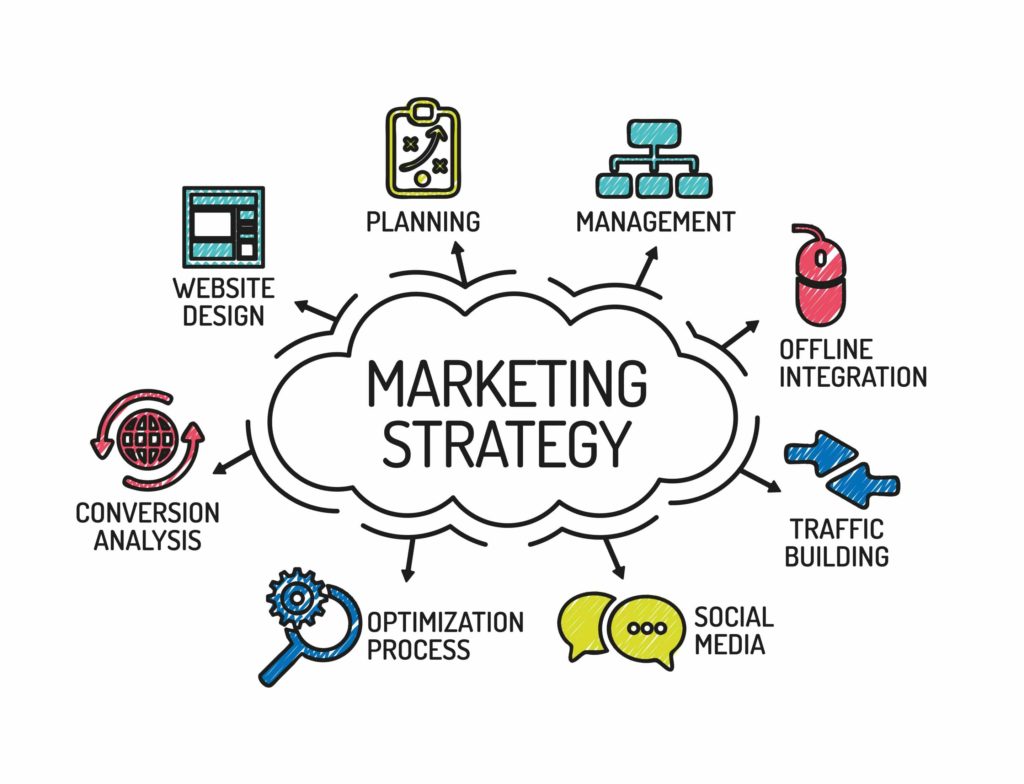
Get FREE Marketing Tips So You Can Grow Your Online Business
Check Out Our Latest Posts
Get Your FREE Gift
"5 Psychological Marketing Tips To Influence Your Customers & Make More Sales"
Download This Free e-book To Learn How To:
Want More Leads, Traffic, & Sales?
Sign Up For Free Tips & Boost Your Results Now!