
Sign Up For Free Tips So You Can:
The Most Effective Words for Persuasive Copywriting
Persuasive copywriting depends on more than clever phrases. The strongest words help readers understand value, feel confident about a decision, and see a clear next step. They connect a product or service with a specific desire, concern, or practical outcome.
Effective copy uses language that sounds relevant to the audience rather than impressive to the writer. Words such as “save,” “discover,” “proven,” and “simple” can increase attention, but their impact depends on context, credibility, and the promise behind them.
The goal is to make every sentence carry useful meaning. When a headline, product description, email, or call to action answers the reader’s priorities quickly, the path from interest to action becomes easier.
Words that make value visible
Benefit-driven words translate features into outcomes. “Fast” suggests saved time, “secure” reduces anxiety, and “flexible” gives the reader a sense of control. These terms become stronger when paired with a concrete result, such as “launch your campaign in one afternoon” or “change your plan whenever your needs shift.”
Specificity also improves credibility. Replace vague claims like “great results” with measurable or observable benefits: “reach more qualified leads,” “cut manual reporting,” or “organize every campaign in one dashboard.” Clear language helps prospects picture what changes after they buy.
Words connected to gain often perform well: “increase,” “earn,” “grow,” “unlock,” “improve,” and “enjoy.” Use them carefully, and connect each one to evidence or a realistic outcome. A promise becomes persuasive when readers can understand how it will affect their work, budget, time, or daily experience.
Language that reduces hesitation
People often delay a purchase because they fear wasting money, choosing the wrong option, or dealing with unnecessary complexity. Words such as “guided,” “protected,” “transparent,” “verified,” and “risk-free” can address those concerns. They work best when the copy explains what creates the reassurance.
Trust-building language should be supported by facts. Mention a free trial, clear pricing, an easy cancellation policy, customer support, or independent reviews instead of relying on empty superlatives. Readers recognize the difference between evidence and inflated language.
A strong offer should state its immediate value early. This clear benefit statement gives persuasive copy a practical foundation because the reader does not need to decode the promise before deciding whether it matters.
Match words to buyer intent
The best wording changes according to where someone is in the buying journey. A new visitor may respond to educational terms such as “learn,” “compare,” and “understand.” A ready-to-buy prospect may prefer “start,” “get access,” “claim,” or “book now.”
Search intent offers useful clues. Someone looking for “how to improve email open rates” needs explanatory copy, while someone searching for “email automation software pricing” expects proof, features, and a direct purchasing path. Matching the vocabulary to intent makes the message feel timely.
| Buyer motivation | Useful language | Copywriting purpose |
|---|---|---|
| Save time | quick, streamlined, automate, ready | Emphasize efficiency |
| Save money | affordable, reduce costs, value, free | Highlight financial benefit |
| Gain confidence | proven, secure, verified, supported | Reduce perceived risk |
| Improve status | professional, advanced, exclusive, recognized | Appeal to identity |
| Take control | flexible, customize, choose, manage | Reinforce autonomy |
Power words should clarify motivation rather than manipulate it. A word like “exclusive” can signal access, but it loses force when everything is labeled exclusive. Precision creates more influence than constant intensity.
Create urgency without pressure
Urgency encourages action by showing why waiting has a cost. Words such as “today,” “now,” “limited,” “ends,” and “last chance” can be effective when they describe a genuine deadline, inventory limit, or timely opportunity. False scarcity may produce a short-term click while damaging long-term trust.
Use time-sensitive language alongside a reason to act. “Register today to attend this week’s workshop” is more credible than “Act now!” by itself. The first statement links urgency to a specific event, while the second offers emotion without useful information.
Rewards and progress-based language can also motivate action. Terms like “collect,” “redeem,” “advance,” and “unlock” make an offer feel active and attainable. For example, readers exploring loyalty mechanics may find a casino points guide useful because it illustrates how clear reward language can turn accumulated value into a concrete next step.
Edit for clarity and emotional relevance
Good copy balances rational and emotional language. Rational terms explain price, features, process, and proof. Emotional terms connect the offer to relief, ambition, belonging, confidence, or enjoyment. A landing page might combine “automated reports” with “feel in control of every campaign.”
Strong verbs usually outperform passive constructions. “Build your audience,” “protect your data,” and “compare your options” give the reader a clear mental action. Remove filler phrases that delay the point, especially when a shorter sentence can carry the same meaning.
Use the following recommendations when reviewing a headline, sales page, or promotional email:
- Replace broad claims with a specific benefit or measurable outcome.
- Choose verbs that show what the reader can do, gain, save, or avoid.
- Add proof beside powerful claims so persuasive language feels credible.
- Use urgency only when a real deadline, limit, or timely reason exists.
- Read the copy aloud and remove words that sound exaggerated or unclear.
Test words instead of trusting instinct
A word that performs well for one audience may fail with another. A startup founder may respond to “scale,” while a local service customer may care more about “reliable,” “nearby,” or “easy to schedule.” Audience research, customer reviews, sales calls, and search queries reveal the language prospects already use.
Test one meaningful element at a time when possible. Compare “Get more qualified leads” with “Fill your sales pipeline” or “Start your free audit” with “See your marketing gaps.” Track clicks, sign-ups, purchases, and qualified conversions rather than relying on open rates or immediate engagement alone.
Persuasive language should ultimately make the reader feel informed and ready, not cornered. Build a library of tested words by audience, offer type, and buying stage, then use those insights across emails, advertisements, landing pages, and product messaging.
Use these principles in your next campaign, then refine the message through real customer behavior. For more practical marketing lessons, download the free ebook and join the Marketing Cipher email list for actionable advice on copywriting, offers, traffic, and conversions.
Expert Marketing Tips & Tricks
We will share with you the latest tips and tricks from proven marketing experts:
- Dominate your target market
- Write powerful sales copy that converts
- Learn traffic secrets to attract unlimited leads
- Create Irresistible offers
- Grow your email list
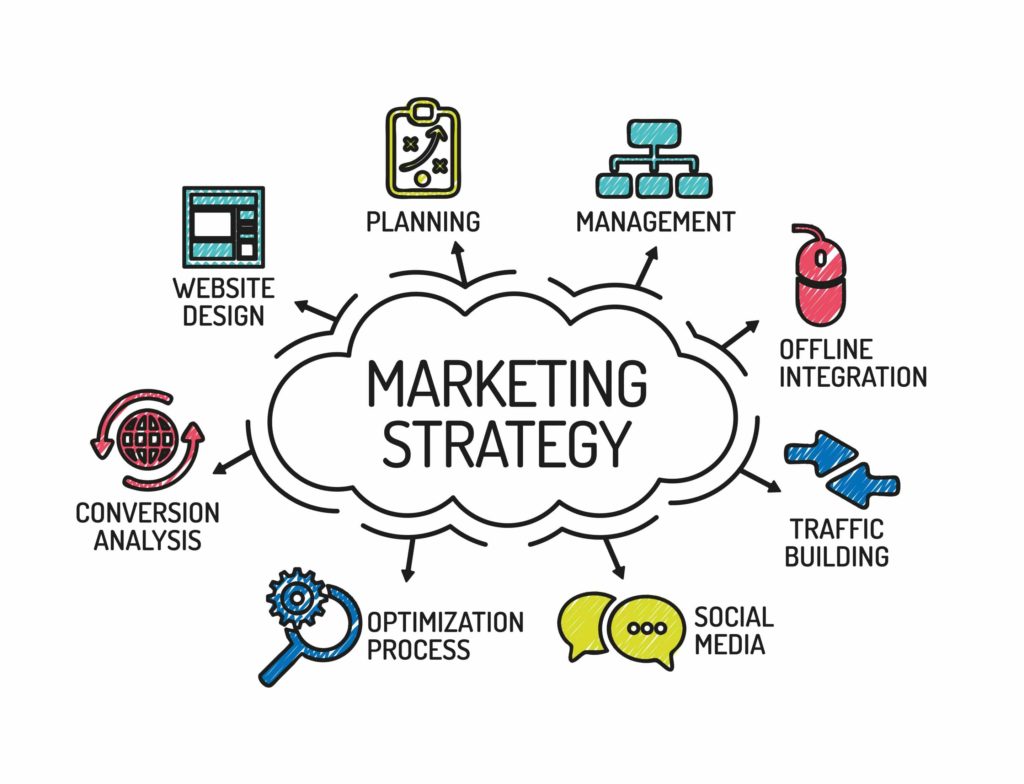
Get FREE Marketing Tips So You Can Grow Your Online Business
Check Out Our Latest Posts
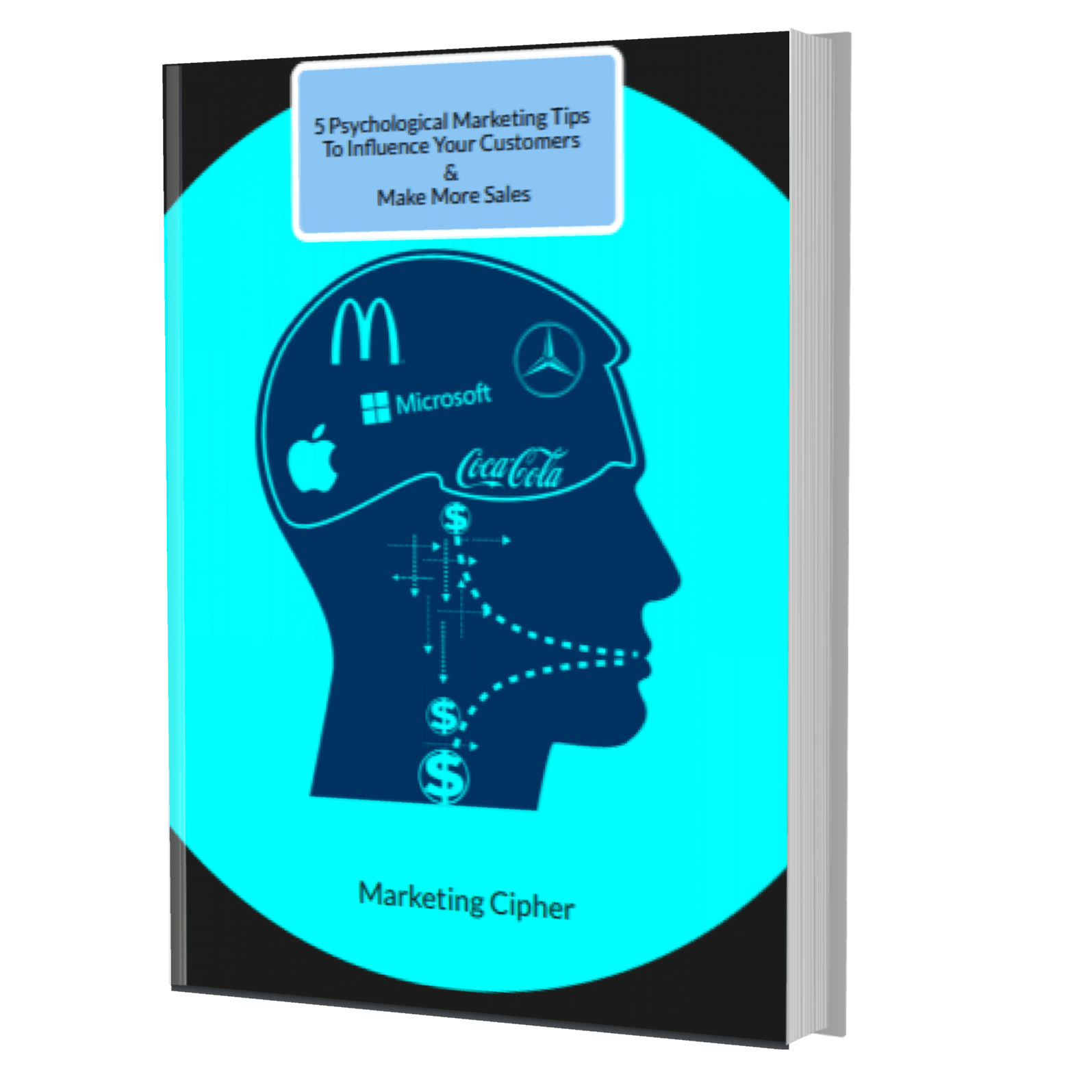
Get Your FREE Gift
"5 Psychological Marketing Tips To Influence Your Customers & Make More Sales"
Download This Free e-book To Learn How To:
Want More Leads, Traffic, & Sales?
Sign Up For Free Tips & Boost Your Results Now!