
Sign Up For Free Tips So You Can:
Social Proof in Email Campaigns That Actually Convert
Picture this: a Sydney-based skincare subscriber opens their inbox at 7am with a flat white in hand, scrolling past a brand email that says "Join 50,000 happy customers!" without a single name attached. The message disappears. Replace that hollow boast with a quote from a real Melbourne mum raving about how the product cleared her hormonal breakouts, and the open rate tells a different story by lunch. Social proof works because humans copy other humans, especially when trust feels scarce. In a market where shoppers are increasingly wary of polished brand talk, letting other customers do the persuading is a quiet superpower.
Email gives you a rare advantage: the reader has already raised their hand and said they want to hear from you. The challenge is honouring that trust rather than shouting over it with logos and star counts. Done well, social proof in your email campaigns feels like advice from a mate down the pub, not a billboard in Bourke Street Mall. Done badly, it reads like a desperate plea that pushes people straight to the unsubscribe button.
The trick lies in matching the proof to the buyer's actual hesitation at that point in the sequence. A first-time subscriber worried about sizing needs a different nudge than a long-term customer deciding whether to upgrade. Australian consumers, particularly those shopping local labels from Bondi to Brisbane, respond to specifics: which suburb someone lives in, how long they have used the product, and what real problem it solved.
This piece walks through the right way to weave social proof into your email campaigns so it builds authority instead of eroding it, whether you are running a side hustle from your garage in Adelaide or scaling a national brand.
Why Testimonials Beat Hype in Aussie Inboxes
Generic praise gets ignored. A quote that names a city, a profession, or a specific outcome lands differently because the reader can picture themselves in it. When someone in Parramatta reads that a sparky fixed his chronic back pain with your mattress topper, the testimonial carries weight that no corporate seal can match.
Australian buyers are also practical. They want to know if something works in their climate, their commute, their household. Mentioning that a sunscreen held up during a cricket match at the SCG, or that a linen shirt survived a flight to Cairns in peak humidity, makes the claim believable. The detail does the heavy lifting, not the adjective.
This is where many businesses fall short. They stack up five-star review counts from overseas platforms without showing the texture of real customer stories. Marketing educators at marketingcipher.com regularly stress that specificity outperforms scale every single time.
Types of Social Proof That Work in Email
Not all proof is equal. Customer testimonials remain the strongest, particularly when paired with a first name and a small detail. Expert endorsements carry weight in niches like finance, health, or B2B services, where credentials matter. User-generated content, such as a customer photo wearing your activewear on a coastal walk, pulls double duty as visual proof and authenticity.
Media mentions can work, but only if the publication is one your reader actually reads. Mentioning that your brand was featured in a niche Australian business podcast will resonate more than a generic "as seen in" claim. Then there is behavioural proof, like "237 other Sydneysiders bought this in the last 48 hours," which creates gentle urgency without feeling pushy.
The key is layering one or two types per email rather than throwing everything at the wall. A single, well-placed testimonial often outperforms a cluttered trust badge bar at the bottom of your template.
Where to Place Proof in Your Sequence
Above the fold in the first email after signup is rarely the best home for testimonials. Readers still do not know who you are, so a glowing quote feels premature. Save proof for emails where doubt creeps in, typically when you introduce price, ask for a sale, or request a bigger commitment.
A welcome sequence might lead with brand story, then introduce social proof around email three when the reader is considering a first purchase. Cart abandonment emails benefit from objection-handling proof, such as reviews that address shipping worries or sizing concerns. Re-engagement campaigns often hinge on testimonials from lapsed customers who came back and loved the product.
Think of social proof as a tool you pull out when the conversation shifts from "what is this?" to "should I trust this with my money?"
Avoiding the Cringe Factor
Overquoting, especially in a single email, signals that you lack confidence in your own product. Two strong testimonials usually beat a wall of five mediocre ones. Fabricating or heavily editing quotes is worse, since Australian consumers are quick to call out inauthentic reviews on platforms like ProductReview.com.au.
Avoid the temptation to invent round numbers. "Over 10,000 happy customers" sounds fluffier than "Trusted by 9,847 subscribers across Australia and New Zealand," because the odd figure reads as real. Round numbers feel manufactured, and savvy readers can smell the marketing department behind them.
Watch your tone, too. Aussies have a finely tuned radar for corporate American cheerleading. A testimonial that sounds like a press release will be skipped; one that reads like a text from a friend will be screenshotted and forwarded.
Timing Around Local Buying Moments
EOFY sales, Black Friday, and the lead-up to Christmas in November each carry their own rhythm. A testimonial about saving money on tax-deductible work gear hits differently in May than it does in September. Tying proof to seasonal context makes it timely rather than recycled.
Melbourne Cup week, for example, is a prime moment for fashion and hospitality brands to circulate customer photos from last year's events. AFL and NRL finals drive spikes in merchandise sales, so reviews from fans who already own the jersey carry weight when finals fever kicks in.
Tie the proof to the calendar, and your emails feel relevant instead of recycled from a generic swipe file.
Pairing Proof With a Clear Next Step
Social proof without a call to action is just a nice story. Every testimonial should ladder toward the action you want the reader to take, whether that is clicking through to a product page, replying to the email, or booking a discovery call.
If the quote mentions fast results, your button should say something like "See results in 14 days." If the testimonial focuses on customer service, link to a booking calendar or live chat. Alignment between the proof and the next click keeps the reader moving down the page rather than admiring the quote and closing the tab.
Practical Moves to Strengthen Your Next Send
- Pull one specific testimonial per email instead of stacking five vague ones
- Name the city, profession, or outcome so readers can picture the customer
- Match the proof to the buyer's likely hesitation at that point in the sequence
- Use odd numbers and real details rather than polished round figures
- Place testimonials near your main call to action, not buried in the footer
- Refresh proof every six to eight weeks so returning subscribers see new voices
- Always link testimonials to a deeper story, such as a case study page or full review
Start by auditing your last three campaigns and flagging every spot where a real customer voice could replace a corporate claim. Rewrite one email this week using the principles above, and watch how the reply rate shifts. To keep building campaigns that convert without the hard sell, sign up for the free Marketing Cipher newsletter and grab the companion ebook straight to your inbox.
Expert Marketing Tips & Tricks
We will share with you the latest tips and tricks from proven marketing experts:
- Dominate your target market
- Write powerful sales copy that converts
- Learn traffic secrets to attract unlimited leads
- Create Irresistible offers
- Grow your email list
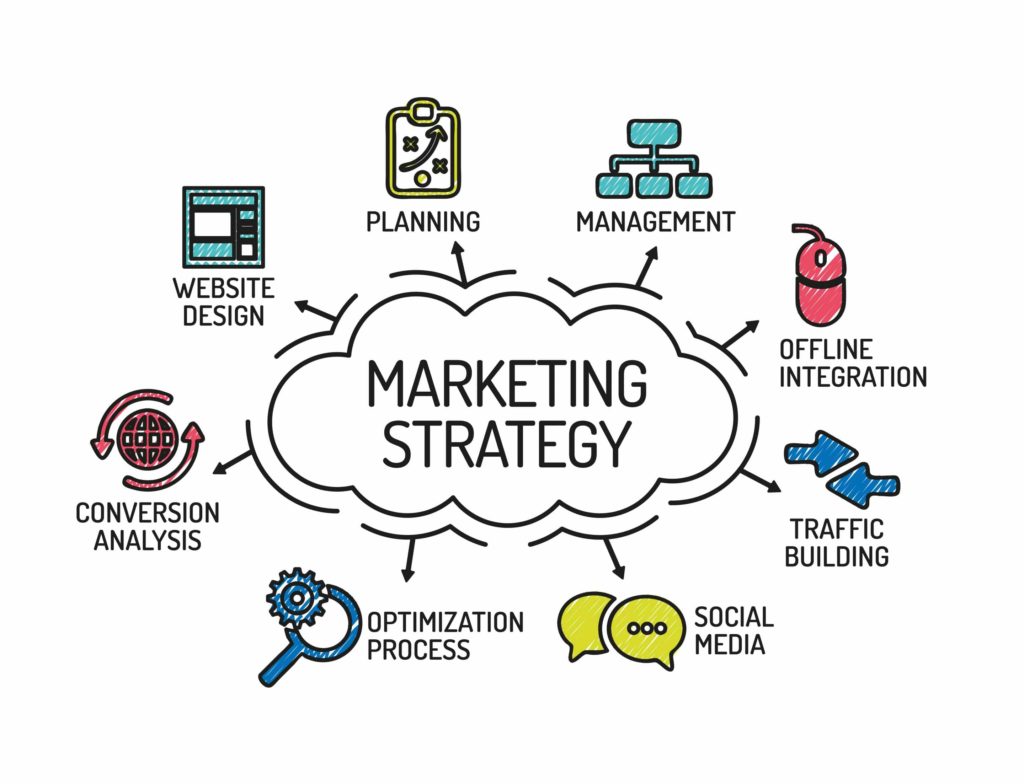
Get FREE Marketing Tips So You Can Grow Your Online Business
Check Out Our Latest Posts
Get Your FREE Gift
"5 Psychological Marketing Tips To Influence Your Customers & Make More Sales"
Download This Free e-book To Learn How To:
Want More Leads, Traffic, & Sales?
Sign Up For Free Tips & Boost Your Results Now!