
Sign Up For Free Tips So You Can:
Why Trust Signals Decide Whether Australian Landing Pages Convert
Australian consumers are notoriously skeptical shoppers. They have grown up watching ads from every direction and learned to tune out anything that smells like a hard sell. When they land on a page offering a product, a service or a special deal, they scan for proof that the offer is genuine before they tap "buy now" or hand over their email. That proof lives in the small details marketers call trust signals.
Trust signals are the visible and invisible cues that tell a visitor the business is real, the offer is safe, and the product will do what it claims. They range from a familiar payment logo in the footer to a customer testimonial with a full name, suburb and headshot. Done well, they remove the hesitation that stops conversions. Done badly, or omitted entirely, they leave visitors feeling chockers with doubt and bouncing off the page.
In Australia specifically, the stakes around credibility are high. Local privacy law under the Privacy Act, the Australian Consumer Law guarantees, and the ACMA rules around digital advertising mean a landing page has to look compliant before it looks clever. Aussie shoppers also compare notes: a quick Google search for a brand name is a standard reflex before any purchase. If the page does not pre-empt that research with visible credentials, the visitor simply moves on to the next result.
This piece walks through the trust signals that matter most on high-converting landing pages, how they read to an Australian audience, and the design choices that quietly make or break a campaign. It also covers how to test whether the elements you add are actually lifting conversion rather than just decorating the page.
What Trust Signals Actually Are
Trust signals are not a single badge or stamp. They are a cluster of micro-evidence that, taken together, answer the visitor's silent question: can I rely on this?
The most common categories include social proof (reviews, testimonials, case studies, user counts), authority cues (media mentions, industry awards, certifications, partner logos), security markers (SSL padlocks, recognised payment processors, privacy policy links), and transparency signals (clear pricing, realistic delivery windows, accessible contact details, an ABN listed in the footer). Each category addresses a different anxiety, which is why the strongest pages layer several rather than relying on one.
A useful mental model is to treat each signal as answering one of three questions: who is behind this, can I trust them with my money, and what happens if something goes wrong. A page that answers all three with visible evidence will outperform a slicker page that answers none.
Why Australian Visitors Read Pages Differently
Australian shoppers have a few quirks worth designing for. They are highly mobile-first, often browsing on Telstra or Optus networks while commuting between Parramatta and the CBD or sitting in a café in Fitzroy. That means small screens, patchy signal, and split attention. Trust signals have to load fast and read clearly at a glance.
There is also a cultural streak of "give it a fair go" that cuts both ways. Aussie consumers want to support local businesses and will reward a brand that feels Australian and accountable, but they are quick to call out anything that looks imported, generic, or too slick. A landing page built only with US-centric stock photos and American spellings can read as foreign, which subtly lowers trust even when the offer is excellent.
Local reference points matter. Mentioning shipping from a Melbourne warehouse, support hours in AEST, or payment in AUD removes friction. Even small touches like "we answer the phone in Melbourne" or a contact address in Surry Hills do quiet work in convincing a visitor that there is a real team behind the page.
Social Proof That Travels Well in Oz
Testimonials work best when they feel local. A quote from "Sarah, marketing manager in Brisbane" with a headshot and a LinkedIn link carries more weight than a generic five-star review with no surname. The suburb, the state, the industry, and even the Australian English spelling all signal authenticity.
Numbers also help, but only when they are believable. "Trusted by 47,000 Australian businesses" is more persuasive than "Trusted by millions worldwide" because it suggests a specific, reachable community. If the business has been featured on local outlets such as SmartCompany, Startup Daily, or a state-based business magazine, those logos belong on the page.
For brands in the entertainment and gaming space, regional case studies are particularly powerful. Readers who recognise the venue, the format, or the operator tend to convert at much higher rates, which is why coverage of events such as the Amsterdam gaming show tends to resonate with operators thinking about trust on their own landing pages.
Design and Micro-Interactions That Build Confidence
Design choices quietly broadcast trust. A consistent colour palette, generous whitespace, and readable typography signal that the business has invested in its presence. The opposite, meaning cluttered layouts, mismatched fonts and broken responsive behaviour, signals neglect, which visitors translate into risk.
Micro-interactions matter too. A sticky header that follows the user, a chat bubble that opens with a real name and photo, and progress indicators on multi-step forms all reduce the sense that the visitor is being pushed through an opaque process. In Australia especially, where customers are used to comparison sites and aggregator reviews, any sign that the brand is hiding something will trigger a bounce.
Security cues should be visible but not paranoid. An SSL certificate, recognised payment logos like Afterpay, PayPal, and the major banks, plus a brief line about secure checkout, are usually enough. Overdoing it with multiple "100% guaranteed safe" badges can read as desperate and actually lower trust.
Copy, Tone and the Aussie Voice
The words on the page do trust work as much as the visuals. Australian readers respond to plain language, a conversational tone, and the occasional colloquialism ("no worries", "keen as", "having a crack") when it fits the brand. Overly formal corporate copy or breathless hype both raise suspicion.
Clarity around pricing, fees, and shipping is non-negotiable. Hidden costs discovered at checkout are one of the fastest ways to lose an Australian customer, because they will screenshot the bait-and-switch and post it. A page that states the total clearly, including GST where applicable, builds credit before the form is even submitted.
Avoid filler phrases. Stock constructions waste attention and dilute the message. Replace them with specifics about who the offer is for, what the customer gets, and what they need to do next. Specificity is itself a trust signal.
Compliance and Legal Trust Markers
Australian regulation gives marketers a built-in trust framework if they choose to use it. Listing an ABN in the footer, linking to a real Australian privacy policy, and referencing compliance with the Australian Consumer Law are all small additions that lift credibility noticeably.
Industry-specific badges also work. For finance and lending, an Australian Credit Licence reference is essential. For health and wellness, TGA listing language matters. For trades and professional services, state-based licence numbers and association memberships do heavy lifting. None of these are decorative, as they are the legal floor, and savvy visitors look for them.
A complaint handling line, even a single sentence about how issues are resolved, can outperform a stack of marketing copy. It signals that the business has thought about the unhappy path and is willing to be accountable for it.
Measuring Whether Trust Signals Are Working
Trust signals only earn their keep when they are measured. Adding a testimonials block, an ABN line, or a trust badge without watching the numbers is just decoration.
The simplest approach is to run split tests on identical pages where one version carries an extra trust element and the other does not. Australian traffic volumes can be modest compared with the US market, so testing needs to run long enough to reach statistical significance. Send timing of the test campaign also matters, and pairing the page test with research on email send times keeps the experiment disciplined.
Track micro-conversions as well as the main goal. Clicks on trust badges, scrolls past the testimonials block, time spent near the security footer, and hover behaviour over partner logos all suggest whether signals are drawing attention. If visitors skip past them, the element is either invisible or irrelevant and should be redesigned or removed.
Practical Recommendations for Higher-Converting Pages
- Place an ABN, a real Australian address, and a phone number in the footer of every landing page.
- Use three to five local testimonials with full names, suburbs, and headshots rather than a wall of generic quotes.
- Show payment and security logos that an Australian shopper actually recognises, including Afterpay and the major banks.
- Replace stock copy with specific, plain-English statements about what the offer includes and what it costs in AUD.
- Match the language and references on the page to the audience, including AEST support hours and local shipping cut-offs.
- Run a single-variable A/B test on each trust element you add, and give it enough traffic to reach a clear result.
- Audit the page on a phone over a mobile network, not just on Wi-Fi at the office.
Apply what works on Australian traffic today by grabbing the free ebook from Marketing Cipher, where the team breaks down the tactics, the psychology, and the data behind every element on the page that lifts conversions for local brands.
Expert Marketing Tips & Tricks
We will share with you the latest tips and tricks from proven marketing experts:
- Dominate your target market
- Write powerful sales copy that converts
- Learn traffic secrets to attract unlimited leads
- Create Irresistible offers
- Grow your email list
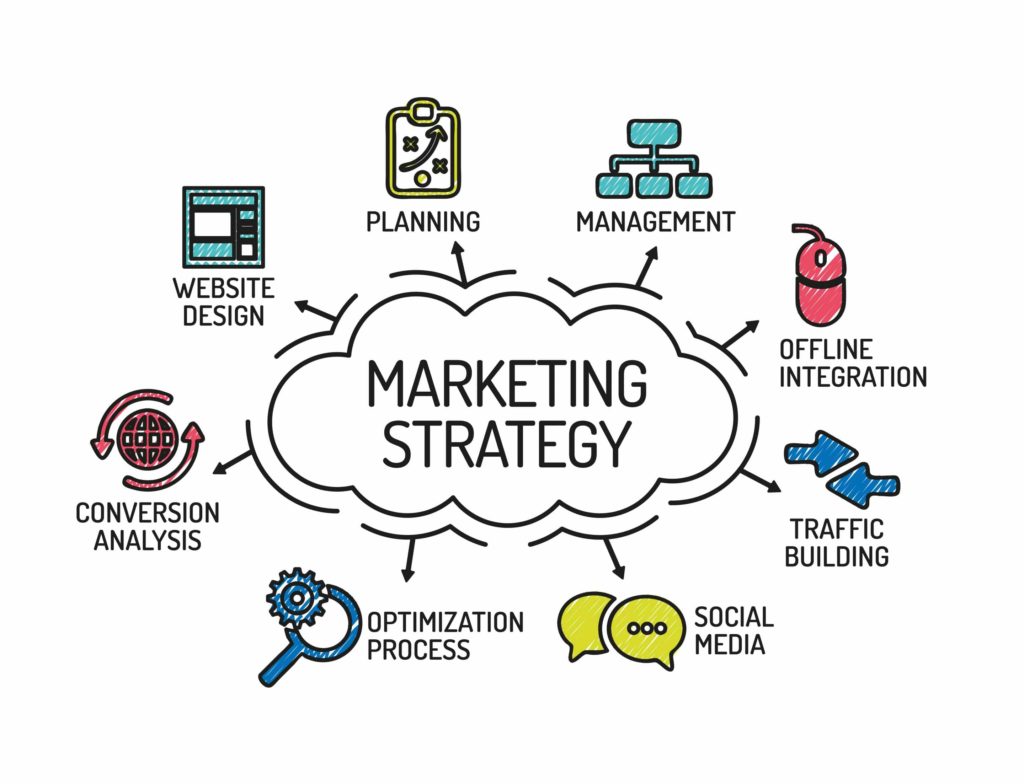
Get FREE Marketing Tips So You Can Grow Your Online Business
Check Out Our Latest Posts
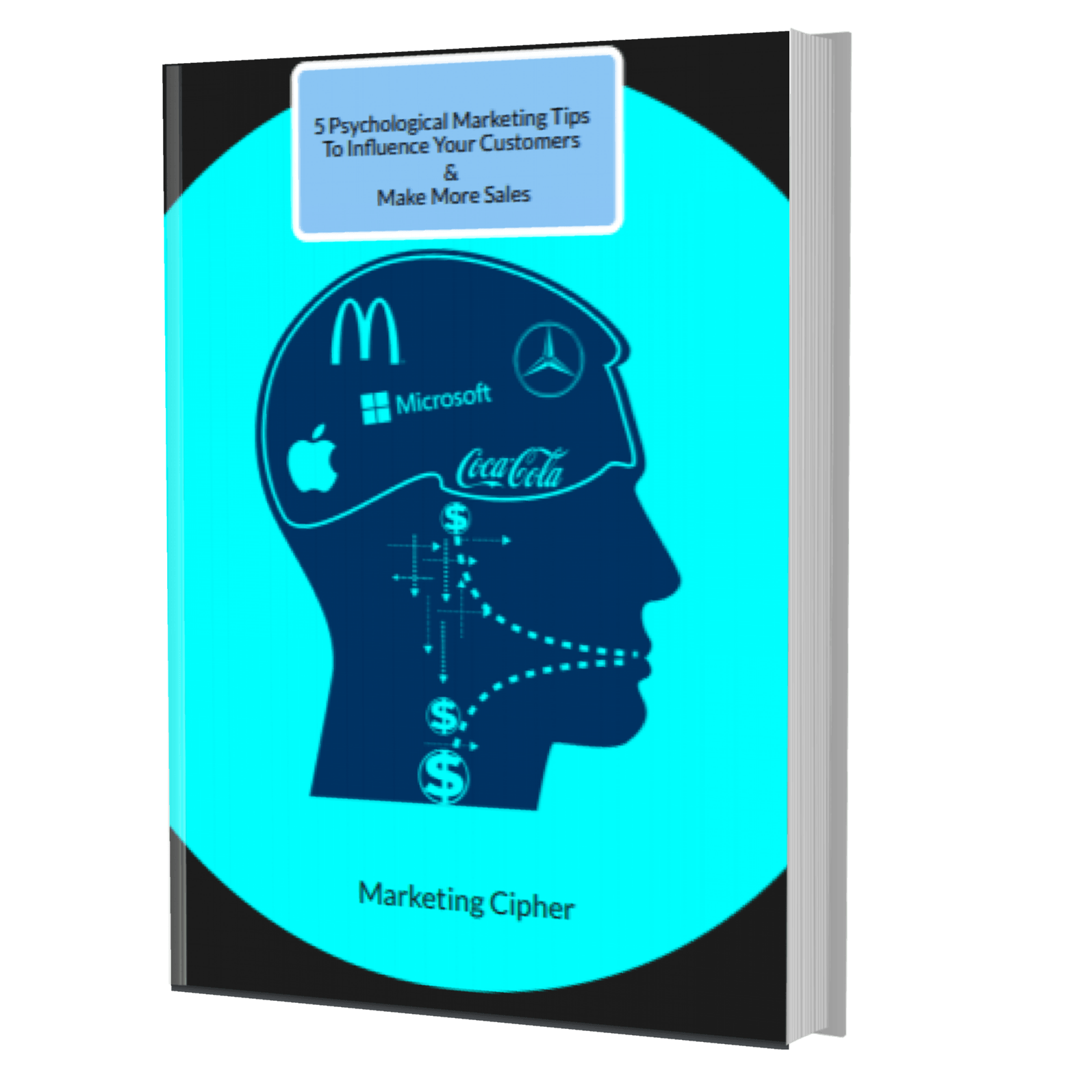
Get Your FREE Gift
"5 Psychological Marketing Tips To Influence Your Customers & Make More Sales"
Download This Free e-book To Learn How To:
Want More Leads, Traffic, & Sales?
Sign Up For Free Tips & Boost Your Results Now!