
Sign Up For Free Tips So You Can:
The Rule of Three in Persuasive Marketing Writing
Persuasive marketing often succeeds through clarity rather than complexity. When readers can quickly understand a message, remember its main point, and see a reason to act, they are more likely to continue down the conversion path. One of the simplest ways to create that clarity is to organize ideas in groups of three.
The rule of three in persuasive marketing writing uses a natural rhythm that feels complete without becoming overloaded. Three benefits, three proof points, or three steps can give an offer enough substance while keeping the copy easy to scan. This structure works across landing pages, email campaigns, advertisements, product descriptions, and social media posts.
The technique is powerful because it combines memorability with momentum. A single claim may feel unsupported, while a long list can dilute attention. Three related ideas create a pattern that readers can process quickly and recall later.
Why Three Works In Marketing Copy
People tend to recognize patterns quickly. A sequence of three establishes a beginning, develops an idea, and gives it a satisfying finish. That is why phrases such as “save time, reduce costs, and grow faster” often sound more persuasive than a scattered list of unrelated benefits.
Three also creates a sense of balance. Two points may appear incomplete, while four or five can feel like a sales pitch that is trying too hard. In a crowded digital environment, balanced copy helps the central promise stand out.
This principle does not depend on exaggeration. The three elements must support the same message and matter to the audience. If a software company claims that its product is fast, secure, and easy to use, each benefit should connect to a real customer concern.
Building A Memorable Message
A three-part structure can make a headline sharper. Compare “A Better Way to Manage Your Business” with “Plan Faster, Work Smarter, Sell More.” The second version gives the reader a clear sequence and uses parallel verbs to create energy.
The same method works in subheadings and opening lines. A brand might describe a service as “simple to start, flexible to scale, and built for reliable results.” The language is concise, but it also gives prospects several reasons to keep reading.
Repetition of grammatical form strengthens the effect. Use three verbs, three adjectives, or three short phrases with a similar cadence. Parallel construction makes benefits easier to compare and gives the copy a polished, intentional sound.
Three-Part Frameworks For Conversion
The rule can shape the entire persuasive argument, not just individual sentences. A useful framework is problem, consequence, and solution. First, identify the customer’s difficulty. Next, explain what it costs them. Finally, present the offer as a practical response.
Another framework is feature, benefit, and proof. State what the product includes, show how it improves the customer’s situation, and support the claim with a testimonial, statistic, demonstration, or guarantee. This sequence moves from information to relevance to credibility.
For promotional email, try a promise, reason, and call to action. Promise a desirable outcome, explain why the reader should believe it, and provide one clear next step. Businesses studying marketing education resources can use these frameworks to make email copy and sales pages more focused.
| Marketing element | Three-part pattern | Example |
|---|---|---|
| Headline | Benefit, benefit, benefit | Save time, cut costs, grow sales |
| Product pitch | Feature, benefit, proof | Automated reports, faster decisions, trusted by 2,000 teams |
| Email body | Problem, solution, action | Missed leads, organized follow-up, book a demo |
| Offer | Value, urgency, reassurance | More support, available this week, cancel anytime |
| Testimonial | Situation, result, emotional payoff | Overwhelmed founder, doubled bookings, finally in control |
Using Three Benefits Without Diluting The Offer
A common copywriting mistake is listing every feature a product contains. Readers rarely need a complete inventory before taking the next step. They need the few benefits that are most relevant to their situation.
Select three benefits that appeal to different motivations. For example, an online course might promise practical skills, guided support, and measurable progress. Those points address usefulness, confidence, and results without making the offer sound unfocused.
Prioritize the benefits rather than presenting them randomly. Lead with the outcome that matters most, follow with a supporting advantage, and finish with an emotional or practical payoff. The final point often gives the sequence its strongest sense of completion.
Avoiding Predictable Or Weak Patterns
The rule of three should guide persuasion, not replace strategic thinking. Three vague claims are still weak copy. Statements such as “high quality, innovative, and world-class” do little unless the writer explains what those words mean for the customer.
Avoid forcing every message into exactly three points. Some products need two central benefits, while complex buying decisions may require a more detailed explanation. Artificial patterns can make copy feel mechanical, especially when the items are not naturally related.
The strongest examples use specificity and contrast. “Launch your first campaign, track every click, and improve each send” is more compelling than “better marketing, better results, better business.” Concrete actions help readers visualize the value.
Practical Ways To Apply The Principle
Before drafting, decide what single idea the reader should remember. Then choose three supporting points that make that idea believable, desirable, or urgent. This keeps the structure connected to the customer journey instead of turning it into a decorative writing trick.
Review each group of three for variety. Three benefits should not all describe the same advantage in different words. A strong set may combine a functional result, an emotional benefit, and evidence that reduces risk.
Use these recommendations when editing landing pages, emails, and promotional content:
- Group related benefits around one clear customer outcome.
- Use parallel grammar to create rhythm and improve readability.
- Support at least one major claim with proof, such as data or a testimonial.
- Replace broad adjectives with specific results or actions.
- End the sequence with a benefit that leads naturally to the call to action.
A well-built three-part message can improve headlines, offer positioning, email engagement, and conversion copy without adding length. Apply it selectively, test different sequences, and measure which combinations produce stronger clicks, replies, sign-ups, or sales. Begin with one important page or campaign, refine its three central ideas, and turn a familiar pattern into a sharper reason to act.

Expert Marketing Tips & Tricks
We will share with you the latest tips and tricks from proven marketing experts:
- Dominate your target market
- Write powerful sales copy that converts
- Learn traffic secrets to attract unlimited leads
- Create Irresistible offers
- Grow your email list
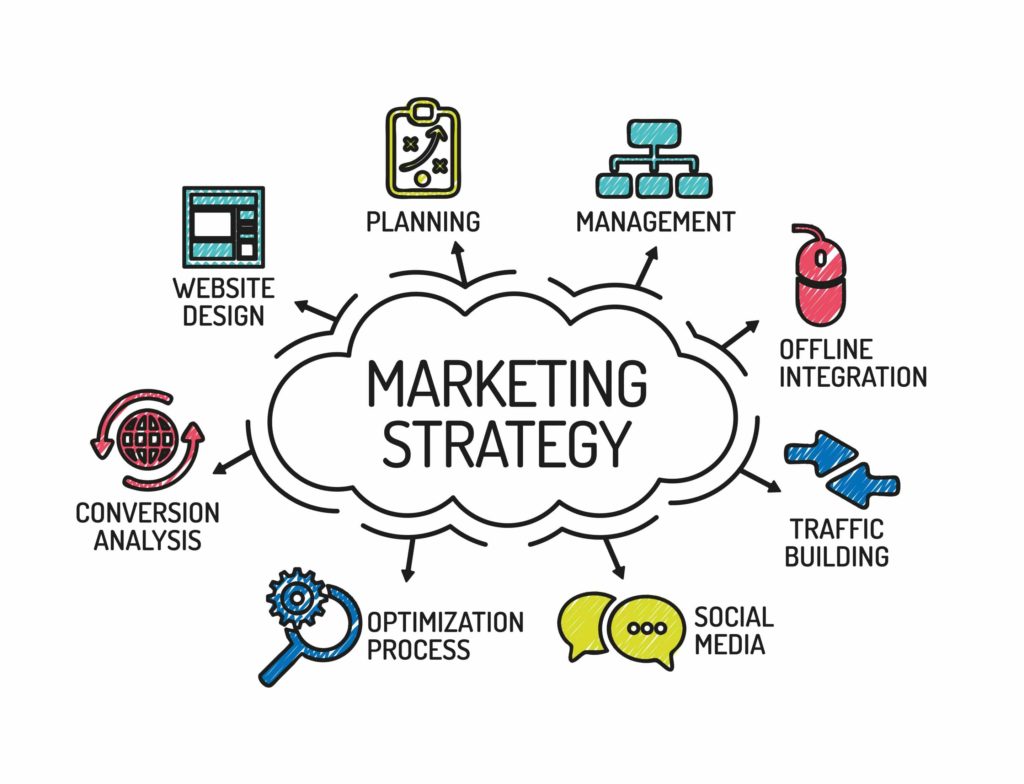
Get FREE Marketing Tips So You Can Grow Your Online Business
Check Out Our Latest Posts
Get Your FREE Gift
"5 Psychological Marketing Tips To Influence Your Customers & Make More Sales"
Download This Free e-book To Learn How To:
Want More Leads, Traffic, & Sales?
Sign Up For Free Tips & Boost Your Results Now!