
Sign Up For Free Tips So You Can:
Build Email Trust Through Commitment And Consistency
People tend to act in ways that match their previous choices. In marketing, this psychological principle can turn a small agreement—such as downloading a guide or clicking a product link—into a series of meaningful actions.
Using the principle of commitment and consistency in your email campaigns means creating a logical path from low-risk engagement to purchase. Each step should feel natural, useful and aligned with what the subscriber has already said or done.
For Australian businesses, this approach works best when it respects local expectations around privacy, clear communication and practical value. A subscriber in Brisbane, Melbourne or Perth may be happy to receive regular advice, but they will quickly disengage if emails feel intrusive or irrelevant.
Start With Small, Voluntary Decisions
A commitment does not need to be dramatic. Asking someone to choose a preferred topic, download a checklist or reply with their biggest challenge creates a small act of participation. That action gives future messages greater relevance because the subscriber has expressed an interest.
Your first email might invite new contacts to select one of three content tracks. A fitness brand could offer strength training, meal planning or injury prevention. A software company could ask whether the reader wants help with productivity, reporting or team collaboration.
Keep the choice simple and genuinely useful. When people actively select a direction, they are more likely to open related emails and consider the next offer because it follows their own stated preference.
Design A Clear Commitment Ladder
An effective email funnel gradually increases the level of commitment. The sequence may begin with reading a short article, continue with downloading a resource, then move to attending a webinar, booking a call or buying a product.
Each step should explain why the next action makes sense. If someone downloads a beginner’s guide, the follow-up could offer a practical worksheet. After they complete the worksheet, an invitation to a personalised consultation feels like a logical progression rather than a sudden sales push.
For example, a subscriber interested in bold flavours might first read a recipe email, then explore a product recommendation such as small-batch hot sauces. The offer connects with an earlier interest instead of appearing as an unrelated promotion.
Make Previous Actions Visible
People are more likely to remain consistent when a brand reminds them of what they have already done. Use language such as “You downloaded the planning template last week” or “You chose the email growth track when you joined us.”
This kind of message should feel helpful, not manipulative. Show the subscriber how their earlier decision unlocks a more relevant resource, lesson or offer. A progress indicator can work well in a course sequence, especially when each completed email contains a small exercise.
Consistency can also be reinforced through customer stories. When readers see how another customer moved from an early commitment to a successful result, the next action feels more achievable. A useful example is this guide to storytelling for offers.
Match Messages To Subscriber Behaviour
Email automation allows commitment-based messaging to reflect real behaviour. Someone who clicks a case study may receive proof-focused content, while someone who repeatedly views pricing information may be ready for an objection-handling email.
Avoid treating every click as buying intent. A single open may be accidental, and a link click may simply reflect curiosity. Look for patterns across several actions before increasing sales pressure.
Segment contacts by engagement, interests, customer status and purchase history. In Australia, a customer who bought during an EOFY promotion may need a different follow-up from a new subscriber who joined through a competition. Relevant timing and context protect trust.
Use Consistent Language And Promises
Consistency applies to your brand as much as to the subscriber. If your sign-up page promises short weekly marketing lessons, your emails should deliver concise, practical advice at a dependable frequency.
Use the same core terms for your offer, customer outcome and process. Conflicting claims create hesitation. A service described as “done-for-you lead generation” on one page should not become “strategic marketing coaching” in the next email unless the difference is explained.
A recognisable sender name, stable visual style and predictable email structure also reduce friction. Many Australians check email on mobile phones during commutes or short breaks, so make the key point easy to understand without extensive scrolling.
Build Trust Within Australian Rules
The Spam Act 2003 requires commercial electronic messages in Australia to include consent, accurate sender identification and a functional unsubscribe facility. Permission should be clear, and buying an email list is a poor foundation for a commitment-based relationship.
Your sign-up forms should state what subscribers will receive and how often. If promotional content is included alongside educational material, say so plainly. Give people a straightforward way to change preferences rather than forcing them to leave every mailing list.
Respect local buying conditions as well. Display prices in Australian dollars where appropriate, explain shipping timeframes to regional areas and be careful with claims involving health, finance or guaranteed results. Compliance supports the credibility that makes long-term email engagement possible.
Apply These Campaign Practices
Commitment and consistency are strongest when the campaign feels like a helpful journey rather than a psychological trick. Every action should provide immediate value, and every follow-up should earn the right to request a little more attention.
Review your sequence from the subscriber’s perspective. The path should be easy to follow, the benefits should be specific and the transition between emails should feel earned.
- Offer a low-risk first action, such as a guide, quiz or preference choice.
- Refer to genuine subscriber behaviour in follow-up messages.
- Increase commitment gradually from content engagement to purchase.
- Segment contacts according to interests and meaningful activity.
- Keep promises, timing and brand language consistent.
- Include compliant consent, identification and unsubscribe details.
- Test subject lines and calls to action without changing the underlying promise.
A well-structured campaign can turn scattered clicks into a coherent customer journey. Review your existing welcome sequence, identify the first small commitment and build the next email around a useful continuation. For further practical marketing guidance, explore Marketing Cipher and apply one improvement to your next campaign.
Expert Marketing Tips & Tricks
We will share with you the latest tips and tricks from proven marketing experts:
- Dominate your target market
- Write powerful sales copy that converts
- Learn traffic secrets to attract unlimited leads
- Create Irresistible offers
- Grow your email list
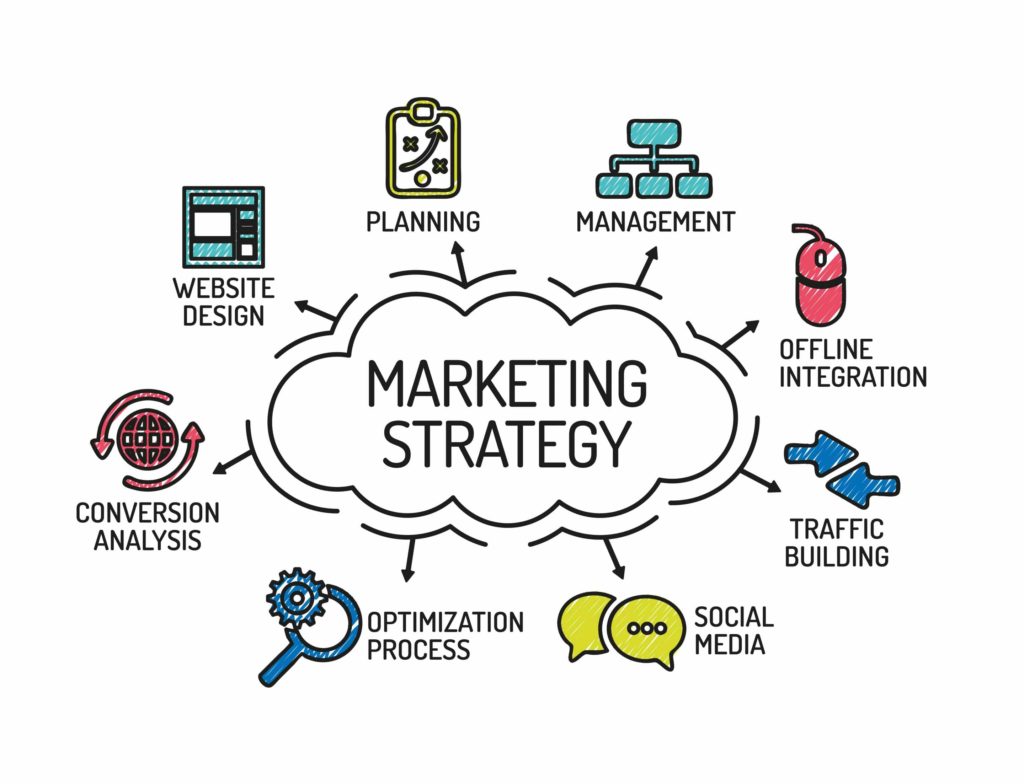
Get FREE Marketing Tips So You Can Grow Your Online Business
Check Out Our Latest Posts
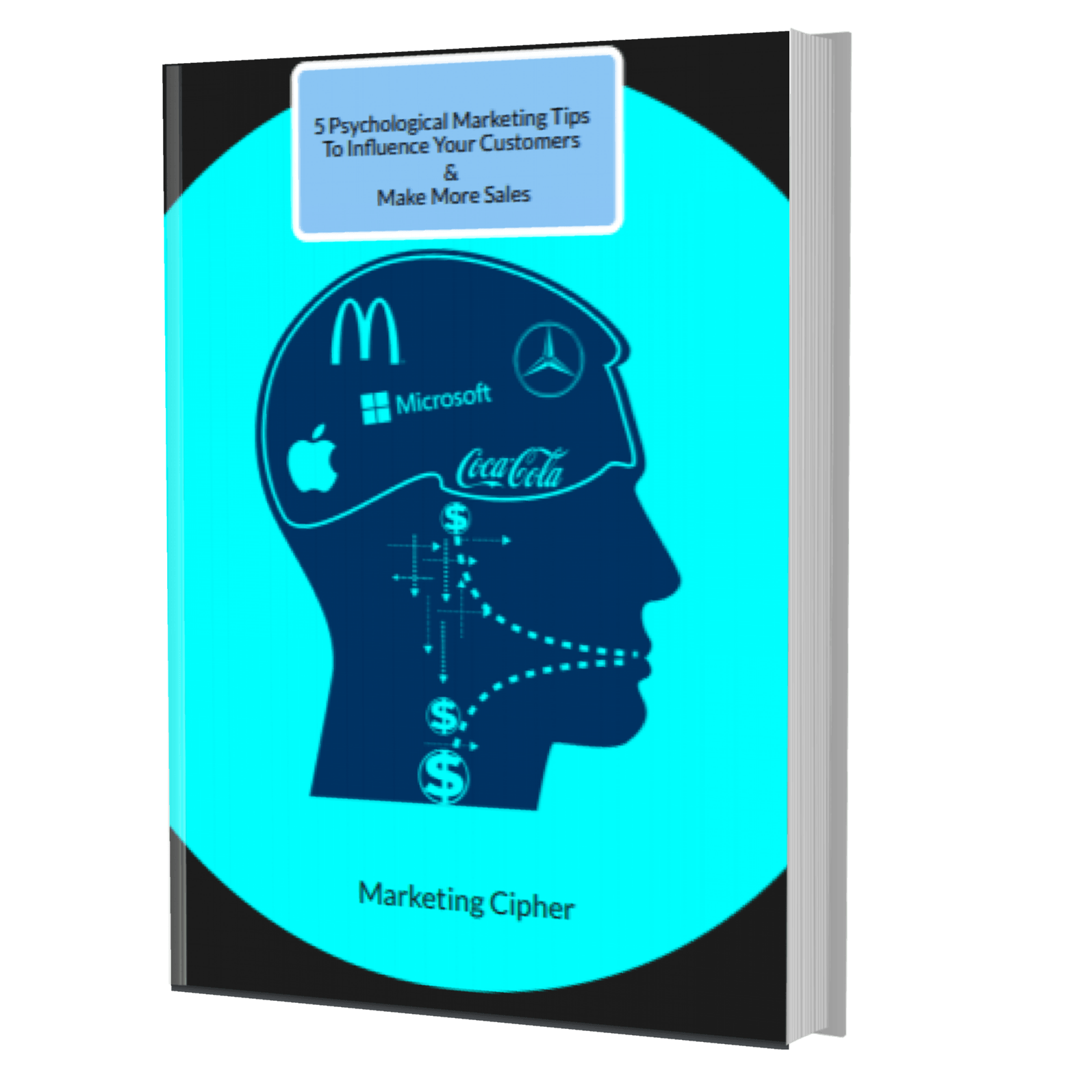
Get Your FREE Gift
"5 Psychological Marketing Tips To Influence Your Customers & Make More Sales"
Download This Free e-book To Learn How To:
Want More Leads, Traffic, & Sales?
Sign Up For Free Tips & Boost Your Results Now!