
Sign Up For Free Tips So You Can:
Psychological Triggers Behind High-Converting Affiliate Reviews
Australia's affiliate scene has matured into a serious revenue channel, yet many reviews still read like thinly disguised sales pitches that readers in Sydney or Perth scroll past. The gap between average content and high-converting copy comes down to how well a writer activates the subconscious shortcuts their audience already relies on.
When a review ranks well on Google and pulls in commissions, it is rarely the result of one clever trick. It is the layering of subtle psychological levers, paired with structural SEO discipline, that pushes a reader from casual browser to buyer. Understanding those levers is what separates a post with a handful of clicks from one that becomes a quiet, reliable income stream.
Below is a breakdown of the mental triggers that consistently move the needle in affiliate content, with practical context drawn from how Australian consumers actually search, compare and buy online.
Trust Signals and Authority Cues
Australian readers have grown cautious about sponsored content, particularly after ACCC crackdowns on undisclosed endorsements. Under the Australian Consumer Law, any material connection between a reviewer and a product must be visible. A clear disclosure is no longer optional, and Google increasingly rewards transparency with stronger rankings.
Authority also comes from perceived expertise. Mentioning hands-on testing, photo evidence, and specific specs rather than vague praise all feed the expertise heuristic. A reviewer based in Melbourne who actually visited a store, or a Brisbane tester who filmed an unboxing, builds credibility that generic listicles cannot match. Pair that with independent industry awards or feedback from Australian forums, and the trust signals compound.
Linking out to authoritative sources helps as well. Internal resources, such as a guide on creating a free email course that doubles as a product preview, can demonstrate depth and keep readers engaged longer, which improves dwell time.
Loss Aversion and Scarcity
Few triggers are as potent as the fear of missing out. Reviews that frame a product in terms of what the reader stands to lose, rather than what they gain, consistently outperform. Phrases such as "most buyers regret skipping this step" speak directly to loss aversion, a bias behavioural economists have measured repeatedly.
Scarcity needs to feel real. Consumers quickly spot manufactured urgency. A countdown timer that resets every visit or a fake "only 3 left" badge on a digital download destroys credibility faster than no badge at all. Believable scarcity ties to genuine limits: seasonal stock, regional shipping windows from Adelaide warehouses, or bonus inclusions for the first hundred buyers.
Urgency works best when the cost of inaction is concrete. Explain what readers forfeit by waiting: a free onboarding call, an extended warranty, or compatibility with software they already use. Specificity turns vague FOMO into a rational choice.
Cognitive Ease, Familiarity and Identity Anchoring
The brain prefers information that is easy to absorb. Reviews that flow smoothly, use familiar vocabulary and break content into scannable sections reduce the mental effort required to decide. Heavy jargon, long paragraphs and ambiguous headlines increase cognitive load and push readers away.
For Australian audiences, plain English resonates more than Americanised sales copy. Local spelling, AUD pricing rather than USD, and examples drawn from familiar retailers like JB Hi-Fi or Officeworks make a review feel native. Even noting a product ships from a Sydney warehouse in two business days reduces friction.
Identity matters just as much. People buy products that reinforce how they see themselves. A review that taps into identity, whether it is the busy parent in Perth looking for time-saving gear or the tradie who needs reliable workwear, lands harder than one written for a generic audience. Anchoring a recommendation to a recognisable lifestyle, from cricket rituals to the universal Australian love of a good flat white, makes the product feel like a natural extension of the reader's self-image. Phrasings like "the choice of most senior electricians in Queensland" convert far better than luxury-driven copy because the peer feels attainable.
Reciprocity and the Power of Pre-Commitment
Reciprocity is one of the oldest persuasion principles, and it works beautifully in affiliate marketing when reviews give genuine value upfront. A downloadable comparison chart, a free troubleshooting checklist, or a short video walkthrough creates a sense of obligation. Readers feel they have received something, which makes them more willing to follow an affiliate link.
Pre-commitment follows the same logic. When a reader spends ten minutes comparing two products in a detailed review, they have already invested effort. That investment makes them more likely to convert, because stepping away now would feel like wasted time. The longer a review keeps readers engaged with meaningful content, the stronger the conversion pull.
Email follow-ups extend this further. Pairing a review with a sequence that delivers tailored tips builds trust and keeps the affiliate offer in front of an engaged audience. There is a thoughtful breakdown of the science of personalization in modern email marketing that explains how tailored messaging lifts both open rates and conversions.
Recommendations for Crafting Reviews That Rank and Earn
Below are the highest-leverage moves to weave into your next affiliate review, drawn from the triggers covered above.
- Lead with a disclosure that satisfies ACCC guidelines and reads as natural, not legalistic
- Test products personally and capture evidence through photos, audio or short clips
- Anchor recommendations to specific Australian contexts, regions or peer groups rather than generic buyers
- Frame key benefits in terms of what readers lose by waiting, using concrete, believable scarcity
- Keep paragraphs short, use AUD pricing, and follow Australian spelling conventions
- Offer a free resource such as a checklist or comparison sheet before asking for the click
- Track which triggers actually drive conversions through your link, then double down on what works
If you are ready to build affiliate reviews that feel less like advertising and more like advice Australians actually trust, start by subscribing to Marketing Cipher for weekly copywriting frameworks and consumer psychology insights. Each email breaks down a real campaign, shows the trigger in action, and gives you a swipe-ready template you can adapt for your next review.

Expert Marketing Tips & Tricks
We will share with you the latest tips and tricks from proven marketing experts:
- Dominate your target market
- Write powerful sales copy that converts
- Learn traffic secrets to attract unlimited leads
- Create Irresistible offers
- Grow your email list
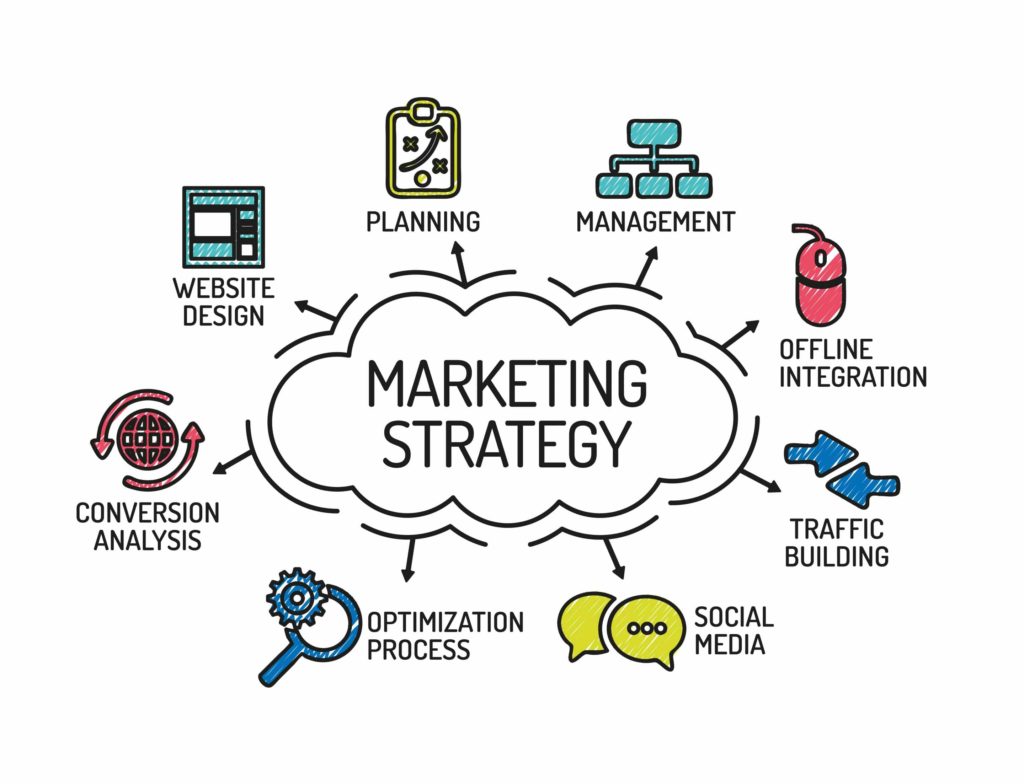
Get FREE Marketing Tips So You Can Grow Your Online Business
Check Out Our Latest Posts
Get Your FREE Gift
"5 Psychological Marketing Tips To Influence Your Customers & Make More Sales"
Download This Free e-book To Learn How To:
Want More Leads, Traffic, & Sales?
Sign Up For Free Tips & Boost Your Results Now!