
Sign Up For Free Tips So You Can:
Why concrete language beats vague claims in marketing copy
Every day, Australian shoppers scroll past thousands of marketing messages, and most disappear into the noise. Phrases like "premium quality", "industry-leading service", and "revolutionary solution" have been stretched so thin they barely register. When every brand claims to be the best, none sound believable. Learn more about Bệnh Cúm Mùa Triệu Chứng Và Cách Phòng Tránh Hiệu Quả.
The copywriters who win clicks consistently are the ones who swap adjectives for specifics. They write "dispatched from our Melbourne warehouse within 24 hours" rather than "fast shipping everywhere". This shift toward concrete language is the biggest lever for sharper marketing, and this guide shows you how to pull it.
The trust tax that vague wording creates
Empty marketing claims have become background hiss. Australian consumers, raised on scepticism and trained by the ACCC's regular crackdowns on misleading advertising, have developed sharp filters for fluff. When a Sydney retailer writes "Australia's favourite", readers wonder: favourite according to whom?
The damage runs deeper than disbelief. Vague claims repel buyers because they signal the seller has nothing concrete to say. A Queensland tradie promising "the best workmanship in Brisbane" is admitting they cannot point to a specific result, timeline, or guarantee. Buyers translate that silence into risk.
Specificity works as a credibility shortcut. Research shows concrete details - numbers, places, timeframes - make claims feel more verifiable. The pattern holds across publishing too. A health article walking readers through seasonal flu symptoms and prevention steps line by line lands harder than one warning vaguely about "winter illness". Specifics build trust; vagueness drains it.
Words that paint a picture
Concrete copy engages the senses. Instead of telling a customer your product is "high quality", you describe the feel of the leather, the sound of the click, the smell of the coffee. Sensory language sticks because it activates the same neural pathways as the real experience.
Consider a Melbourne cafe: "Great coffee in a friendly atmosphere" versus "Single-origin beans from Yarra Valley roasters, pulled into a velvety flat white and served on reclaimed timber tables". The second version doesn't just describe the cafe - it transports the reader into it. A Perth mining supplier writing for site managers could say "heavy-duty equipment" or "20-tonne hydraulic rigs rated to AS 4325 standards". One is wallpaper; the other is a specification sheet a procurement officer actually trusts.
Aussie audiences respond particularly well to locally anchored sensory details. Mentioning a Brisbane suburb, a Barossa Valley vineyard, or a Hobart waterfront gives readers a mental map they recognise. Vague global phrasing strips that connection away, leaving copy that could have been written anywhere and means nothing to anyone in particular.
Numbers and proof points that convert
Numbers are the most powerful form of concrete language because the brain treats them as evidence. "Trusted by thousands" feels hollow; "trusted by 4,200 Australian businesses since 2014" feels like a fact. Even small figures outperform big ones when they are specific, located, and recent.
| Vague claim | Concrete rewrite |
|---|---|
| High-quality products | Hand-stitched leather, double-stitched seams, 2-year warranty |
| Fast shipping | Dispatched same day from Sydney, 2-3 day delivery nationwide |
| Great customer service | 24/7 Australian-based phone support, average reply under 1 hour |
| Industry-leading results | Average 37% lift in conversion rate across 120 client campaigns |
| Australia's favourite | Rated 4.8 stars from 6,400+ verified Aussie reviews |
The rewrite column shares three traits: a tangible unit, a measurable benchmark, and a recognisable location. Drop any of those and the claim slides back toward vagueness, no matter how many exclamation marks you add.
The psychology of framing concrete offers
Concrete language is also a framing tool. The way you present a number changes how impressive it feels - "90% success rate" reads very differently from "fails 1 in 10 times", even though the underlying fact is identical. The mechanics behind this are unpacked in framing for higher conversions, which walks through how small word choices shift buyer perception.
Specifics amplify framing. A discount described as "save $47 on this $189 package" lands harder than "25% off". A delivery promise of "to your Adelaide door by Thursday" feels more real than "quick shipping". The brain uses concrete details to simulate the outcome, and that simulation is what tips hesitant shoppers into action.
This is why the best Australian marketers pair framing with proof. They do not just say their offer is limited - they say "only 14 spots left for the February Sydney workshop". The limit becomes tangible, the place becomes familiar, and the two together push conversion rates measurably higher.
Putting it into practice across Aussie niches
The shift toward concrete copy pays off in almost every Australian market. A Hobart tourism operator writing "discover Tasmania's rugged beauty" can rewrite as "kayak the still waters of Coles Bay at sunrise, then lunch on oysters at a fifth-generation farm". A Brisbane real estate agent listing a "charming family home" can describe "four bedrooms, a 600-square-metre block, and a five-minute walk to Brookside shops".
E-commerce brands benefit especially from specificity because online shoppers cannot touch the product. Fabric weights, exact dimensions, return windows measured in days, and shipping times for metro Melbourne versus regional WA all reduce hesitation. Service businesses - accountants, dentists, lawyers - win trust by quoting response times, listing fees in dollars, and naming the suburbs they serve. The discipline is identical regardless of industry, and you can see it working in serious journalism too - coverage of Lebanon's political crisis relies on the same commitment to specifics over rhetoric that converts readers in a sales funnel.
The pattern is consistent: replace every adjective that cannot be measured with a noun that can be. Then test the copy against a reader who has never heard of your brand. If they can picture exactly what you sell, exactly when they will get it, and exactly what it costs, the writing is doing its job.
Grab the free Marketing Cipher ebook and weekly copy tips by joining the reader list at https://marketingcipher.com/ - the fastest way to keep sharpening your writing with proven conversion frameworks delivered straight to your inbox.

Expert Marketing Tips & Tricks
We will share with you the latest tips and tricks from proven marketing experts:
- Dominate your target market
- Write powerful sales copy that converts
- Learn traffic secrets to attract unlimited leads
- Create Irresistible offers
- Grow your email list
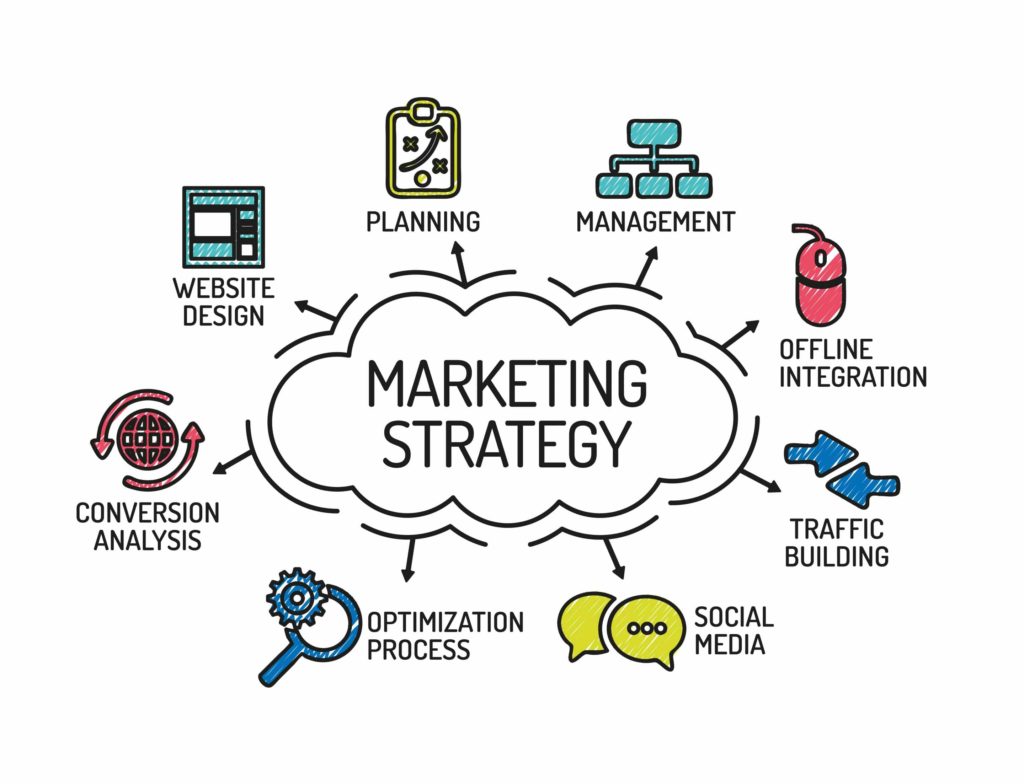
Get FREE Marketing Tips So You Can Grow Your Online Business
Check Out Our Latest Posts
Get Your FREE Gift
"5 Psychological Marketing Tips To Influence Your Customers & Make More Sales"
Download This Free e-book To Learn How To:
Want More Leads, Traffic, & Sales?
Sign Up For Free Tips & Boost Your Results Now!