
Sign Up For Free Tips So You Can:
A clear next step in every email makes readers act
Sending an email is easy. Getting someone to actually do something after reading it is the hard part. Whether you run a Brisbane SaaS startup or an Adelaide boutique, the gap between a buyer and a ghoster often comes down to one thing: telling them exactly what to do next. Learn more about Marketingcipher.com.
Aussie readers are straight-talking and quick to spot fluff. If your message ends with "get in touch" or "let us know your thoughts", most will hit delete and move on to their next flat white. A specific, low-friction instruction gives them a clear path and turns a passive glance into a click, a reply, or a sale.
The psychology behind a single, specific action
Humans are wired to follow clear cues, especially when tired. By the time your subscriber opens your email, they have flicked past the morning news, scrolled Instagram, and replied to Slack. Their brain wants the simplest action, not a menu of options. One well-defined next step removes the mental effort of choosing, and a frictionless decision is far more likely to result in a tap.
This is even truer in Australia, where inboxes are crammed with offers from fintech apps, retailers like The Iconic, and tradies. Readers scan quickly, often while waiting for coffee in Surry Hills or between CBD meetings. A direct instruction cuts through that noise in a way a polite suggestion never will.
Behavioural economists call this "choice paralysis" in reverse. Give someone too many options and they freeze; give them one obvious path and they walk it. Your email should feel less like an open-ended conversation and more like a friendly guide pointing to the next doorway.
What happens when you leave the reader hanging
Vague emails do not just underperform; they train your list to ignore you. If every campaign ends with a friendly wave rather than a destination, subscribers learn that opening your message is optional. Open rates slide, deliverability takes a hit, and engaged fans stop paying attention.
The cost is real for local businesses. A Melbourne fitness coach who sends weekly tips without a clear link to book a session leaves money on the table every send. A Perth real estate agent who shares suburb insights but forgets to nudge readers toward a free appraisal form will be outranked. The pattern repeats from Byron Bay wellness brands to Hobart accounting firms.
There is also a trust element. When you consistently give readers a clear path, you start to feel reliable in their minds. Drop that discipline and your brand feels sloppy, which is the last thing you want in a market where reputation travels fast through local Facebook groups.
Crafting the right action for your readers
The best next step depends on where the reader sits. Someone who just downloaded your freebie needs a softer nudge, like a survey or an invite to follow you on socials. A long-time subscriber who has read five emails is ready for a bigger commitment, such as booking a call or claiming a limited offer. Matching the ask to the relationship is what separates a thoughtful marketer from someone blasting the same pitch to everyone.
If you are still building your list from zero, learning to grow your list free gives you a solid foundation, but even the best list dies without direction in every send. Pair growth with a clear instruction and watch engagement climb.
It also helps to think about friction. "Book a 30-minute consultation" is heavier than "reply with your postcode for a free report". Match the ask to the value provided, and response rates lift.
Words, tone, and placement
The language should feel like a conversation, not a command. Phrases like "grab your spot" or "reply with your postcode" outperform generic "click here" because they paint a picture of what happens next. Focusing on the reader with the power of you makes it feel personal.
Aussie audiences respond to plain English and dry humour. Skip the American-style hype and sound like a mate giving you a fair dinkum heads-up. Something simple like "tap below to lock in your spot before Friday" converts better than over-polished jargon.
Location matters as much as words. Repeating your call to action twice in a long email is fine: once near the top, once at the bottom. In shorter emails, one well-placed button after the core message is plenty. Make sure the link stands out with contrasting colour and button-style design. Many Australian copywriters swear by the P.S. line.
Mobile matters more than ever. Most subscribers open on their phone while commuting on the train or lounging on the couch after a long arvo. If the button is too small or the link is buried, you lose them before they finish the first sentence. Design for the thumb, not the desktop.
| Vague instruction | Clear next step |
|---|---|
| "Get in touch if interested" | "Reply with your suburb for a free report" |
| "Learn more on our website" | "Book your 15-minute discovery call here" |
| "Let us know what you think" | "Vote for your favourite feature by Friday" |
| "Check out our store" | "Browse new arrivals and checkout in 2 minutes" |
| "Follow us on social media" | "Follow @brandname on Instagram for daily tips" |
Quick wins for sharper next steps
- Treat each email as one idea with one outcome, not a
Expert Marketing Tips & Tricks
We will share with you the latest tips and tricks from proven marketing experts:
- Dominate your target market
- Write powerful sales copy that converts
- Learn traffic secrets to attract unlimited leads
- Create Irresistible offers
- Grow your email list
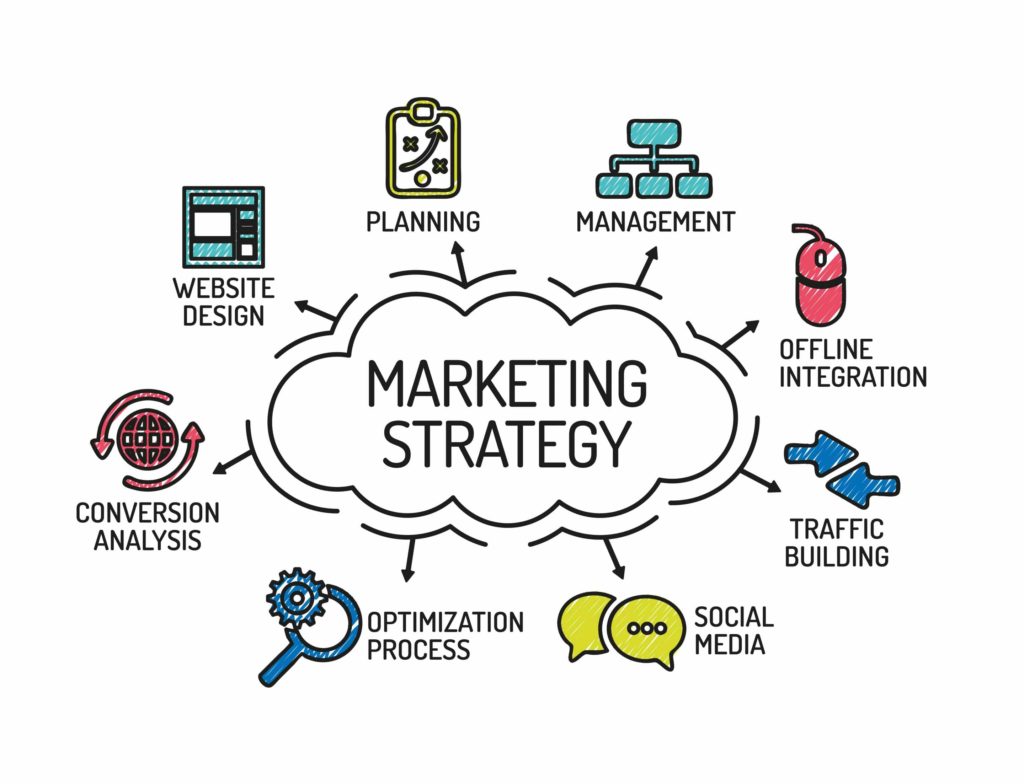
Get FREE Marketing Tips So You Can Grow Your Online Business
Check Out Our Latest Posts
Get Your FREE Gift
"5 Psychological Marketing Tips To Influence Your Customers & Make More Sales"
Download This Free e-book To Learn How To:
Want More Leads, Traffic, & Sales?
Sign Up For Free Tips & Boost Your Results Now!