
Sign Up For Free Tips So You Can:
Why your blog posts deserve a text-based summary at the top
A few months back, on a delayed Sydney-to-Melbourne train, I watched a bloke in business attire scroll through three separate blog posts in the space of a coffee. He never finished any of them. He did, however, send one to a colleague based on a single paragraph near the top. That paragraph was the TL;DR, the blurb, the summary, and it did the heavy lifting while the rest of the article gathered digital dust.
For Australian publishers and small business owners, this moment of consumer behaviour is the entire game. People in this country are time-poor, often reading on a phone in transit between Parramatta and the city, between Brisbane suburbs and the office, or while waiting for their flat white at a laneway café. A text-based summary at the top of your post respects that reality. It hands the reader the gist in seconds, gives search engines a clean chunk of context, and sets the tone for everything that follows.
A text-based summary is simply a short, plain-language paragraph (sometimes two) placed above the fold that tells the reader what the post covers, who it is for, and what they will walk away knowing. Not a video, not an infographic, not a TL;DR image. Just words on a page. Below are seven reasons it deserves a permanent spot in your content workflow, drawing on what we publish over at Marketing Cipher and what we see working for Aussie marketers every week.
How skimming shapes the modern reading habit
Australian readers have a well-earned reputation for cutting through the fluff. The phrase "cut to the chase" could almost be a national slogan. A summary signals that you respect that instinct. Instead of forcing someone to read 600 words to find out whether the post helps them, you hand them the headline value within the first three lines.
This matters even more on mobile. Most traffic to Australian sites, especially outside capital cities where NBN reliability varies, comes through phones with patchy reception. A scannable block of text loads faster than any media element and gives readers something useful even if the page never fully renders.
SEO and snippet wins from a clean paragraph
Search engines love structured writing. A clear paragraph near the top of the page gives crawlers a confident answer to the implicit question behind every query. When you phrase that block with the right phrasing, you are also feeding the snippet algorithm. Aussie SEO agencies have spent years chasing position zero, and a well-written summary is one of the simplest ways to claim it.
The same paragraph doubles as social proof when your post is shared. LinkedIn, Slack groups, and even workplace chat channels will often quote the opening lines. Make sure those lines earn the share.
Making posts easier to scan on mobile and beyond
Accessibility is not just about screen readers. It is about respecting people who read at a coffee shop in Fitzroy, in the staff room of a Perth primary school, or on a break at a Bunnings warehouse. Plain text is the most democratic format we have. A summary keeps the experience consistent for anyone, regardless of bandwidth, device, or ability. Retailers who write tight product blurbs, like the team behind hot sauce drops, already understand this. The same principle scales up to long-form content.
It also helps your older audience. Australia's population skews older than the global average, and the over-55s are a fast-growing segment of online shoppers. A clean text block reduces friction for readers who never asked for the latest design trick.
Engagement and conversions from a stronger opening
A summary acts as a soft contract. By telling the reader what to expect, you reduce bounce risk and increase the chance they scroll on. Once they are past the summary, your job shifts from selling the post to delivering on it.
For affiliate sites, the same principle applies. Marketers who have read up on affiliate marketing mistakes that kill your commission potential know that the first impression is where most clicks are won or lost. A tight summary primes the reader for the recommendation that comes later, and that framing alone can lift conversions without touching the rest of the page.
Local search behaviour in Australia
Search behaviour here is uniquely local. Aussies search for "near me" more than almost any other English-speaking market, and the language they use mixes formal English with phrases like "arvo" and "no worries." A summary written in that natural register feels more trustworthy to a local reader than a sterile corporate block of text.
It also helps if you mention specific cities, suburbs, or regions inside the summary. A line that says, "Here is what small retailers in Adelaide should know about email automation," will outperform a generic summary in both rankings and reader attention. The same framing works for international audiences too. Look at how an article about international reggae tracks that resonate with Indian youth opens with a clear frame to anchor a global readership.
Practical ways to draft a text-based summary
A useful summary is not a teaser or a sales pitch. It is a calm, confident description of the post's value. To keep yours sharp, try working through these prompts before publishing:
- The single biggest takeaway for the reader.
- The exact audience the post is written for.
- What the reader will be able to do, decide, or understand after reading.
- Roughly how long the post will take to read.
Working through those four prompts usually produces a 60 to 90-word block. That length is enough to inform, short enough to scan, and long enough for search engines to parse with confidence.
Pitfalls to avoid when adding a summary block
A summary done badly can do more harm than no summary at all. Watch out for these common traps:
- Repeating the headline in slightly different words.
- Stuffing keywords in a way that reads like a 2005 email spam filter.
- Promising what the rest of the post does not deliver.
- Hiding the summary behind a "read more" tag or accordion.
The whole point of a summary is to make the post easier to enter. Anything that adds a step between the reader and the answer works against that goal.
A text-based summary is one of the lowest-effort, highest-return upgrades you can make to a blog. It costs you five minutes of writing and pays back in better rankings, longer sessions, and more conversions. Draft a 60-word block for your next post, place it above the fold, and watch how the metrics shift over the next month. Your future readers, and your bottom line, will thank you for it.

Expert Marketing Tips & Tricks
We will share with you the latest tips and tricks from proven marketing experts:
- Dominate your target market
- Write powerful sales copy that converts
- Learn traffic secrets to attract unlimited leads
- Create Irresistible offers
- Grow your email list
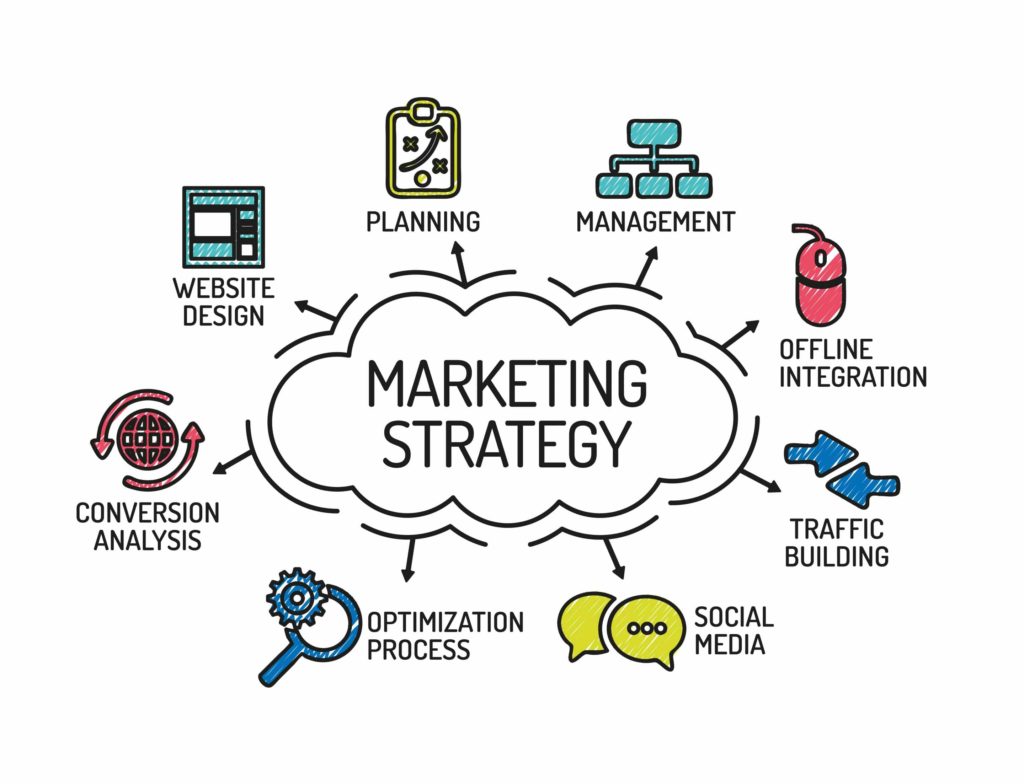
Get FREE Marketing Tips So You Can Grow Your Online Business
Check Out Our Latest Posts
Get Your FREE Gift
"5 Psychological Marketing Tips To Influence Your Customers & Make More Sales"
Download This Free e-book To Learn How To:
Want More Leads, Traffic, & Sales?
Sign Up For Free Tips & Boost Your Results Now!