
Sign Up For Free Tips So You Can:
Why Your Email Should Focus on One Call to Action Only
An email has limited space to earn attention. When every sentence, image, and link points toward the same next step, readers can understand the offer quickly and act with less hesitation. A focused message gives your audience a clear path from interest to response.
This principle applies to newsletters, promotional campaigns, lead-nurturing sequences, product launches, and follow-up emails. The goal is not to remove useful information. It is to make sure every element supports one primary conversion objective.
A single call to action can be a purchase, registration, download, reply, consultation request, or content visit. The action may change from campaign to campaign, but the email should make that one outcome unmistakable.
Why One Action Wins
People process marketing messages under constant distraction. If an email asks them to read a blog post, book a call, follow a social account, download a guide, and buy a product, the message creates competing priorities. Even interested subscribers may postpone every action because none feels clearly more important.
A focused CTA reduces cognitive load. The reader knows what the email is about, what benefit is available, and what to do next. This clarity can improve click-through rates because the decision requires less mental effort.
The same idea supports stronger copywriting. When the writer knows the desired response, the subject line, opening, proof, offer, and button can work together instead of pulling in separate directions.
How Multiple Choices Dilute Response
Several links can make an email look helpful, but they often weaken its persuasive force. Each additional action divides attention and competes for the same limited supply of reader motivation. A secondary link may seem harmless, yet it can draw people away from the conversion path.
This is especially risky when the options have different levels of commitment. A “Buy Now” button beside “Learn More,” “Read Our Blog,” and “Follow Us” gives hesitant readers an easy way to avoid the main decision. They may click something, but the campaign can still miss its revenue or lead-generation target.
A useful email asks one strategic question: what is the most valuable action for this audience at this moment? Once that answer is clear, remove distractions that do not support it.
Match the CTA to the Email’s Job
Every campaign should have one primary job. A welcome email may encourage a new subscriber to download a resource. A product email may direct qualified prospects to a sales page. A re-engagement message may invite inactive readers to confirm their interest.
The CTA should reflect the reader’s stage in the buying journey. Asking a cold subscriber to schedule a sales call may create friction, while asking a ready-to-buy prospect to “learn more” may feel vague. Match the request to the trust, awareness, and urgency already established.
A consistent approach can also strengthen your broader marketing system. The Marketing Cipher website offers practical guidance on copywriting, consumer psychology, email marketing, and conversion strategy that can help connect individual campaigns to larger business goals.
| Email goal | Primary CTA | Supporting message |
|---|---|---|
| Generate a sale | Buy or order now | Emphasize value, urgency, and proof |
| Capture a lead | Download the resource | Explain the benefit and reduce form friction |
| Book a conversation | Schedule a call | Address fit, outcome, and ease |
| Drive content engagement | Read the guide | Preview the insight or result |
| Re-engage subscribers | Confirm interest | Make the next step simple and low risk |
Build the Message Around the Click
Start with the desired action before writing the email. This approach keeps the message concise and helps you choose relevant evidence. If the goal is a guide download, explain what the guide helps readers achieve, show why it is credible, and lead naturally to the download button.
The body copy should answer the reader’s practical questions. What will happen after the click? How much time will it take? What benefit will the person receive? Is there a reason to act now? Clear answers make the CTA feel like a logical next step rather than an interruption.
Repeat the core CTA when useful, but keep the wording and destination consistent. A button near the opening and another near the close can accommodate readers who decide quickly or need more context. Both should lead to the same action.
Use Design and Copy to Direct Attention
Visual hierarchy helps readers identify the primary CTA immediately. Give the button enough contrast, surrounding space, and descriptive text. “Get the Pricing Guide” communicates more than a generic label such as “Click Here” because it reinforces the expected outcome.
Keep competing elements quiet. Navigation menus, social icons, unrelated product links, and multiple colored buttons can scatter attention. If they are necessary for brand or compliance reasons, place them where they will not challenge the main action.
The emotional arc of the email matters as well. A strong opening earns attention, useful details build desire, and the final moment should leave the reader with a clear reason to act. Principles such as the peak-end rule can help marketers shape the most memorable part of a customer experience, including the moment before the click.
Test Focused Campaigns With Purpose
A single CTA makes testing more meaningful. You can compare button copy, offer framing, placement, color, urgency, or subject lines while keeping the central objective stable. This gives the results a clearer interpretation.
Measure the metric that matches the campaign goal. A sales email should be judged by revenue or completed orders, while a lead magnet campaign should prioritize qualified downloads. Open rates can provide context, but they do not prove that the email persuaded readers to take action.
Track performance across audience segments too. New subscribers, repeat customers, and inactive contacts may respond to different benefits or levels of urgency. The CTA can remain singular while the supporting message changes to fit each group.
Practical Ways to Keep One CTA
Use these checks before sending a campaign:
- Write the intended action in one sentence before drafting the email.
- Remove links that do not support the primary conversion goal.
- Make the button describe the benefit or next step clearly.
- Repeat the same destination rather than offering several competing destinations.
- Review the email on mobile and confirm that the CTA is easy to find and tap.
A focused message does not have to feel restrictive. It can include education, proof, testimonials, product details, and personality, provided those elements move the reader toward the same outcome. Relevance creates persuasion; excess choice creates delay.
Apply this approach to your next email by choosing one measurable objective, building the copy around it, and removing every distraction that competes with the primary action. Then compare the results with campaigns that split attention across several requests and use the data to refine your conversion strategy.
Expert Marketing Tips & Tricks
We will share with you the latest tips and tricks from proven marketing experts:
- Dominate your target market
- Write powerful sales copy that converts
- Learn traffic secrets to attract unlimited leads
- Create Irresistible offers
- Grow your email list
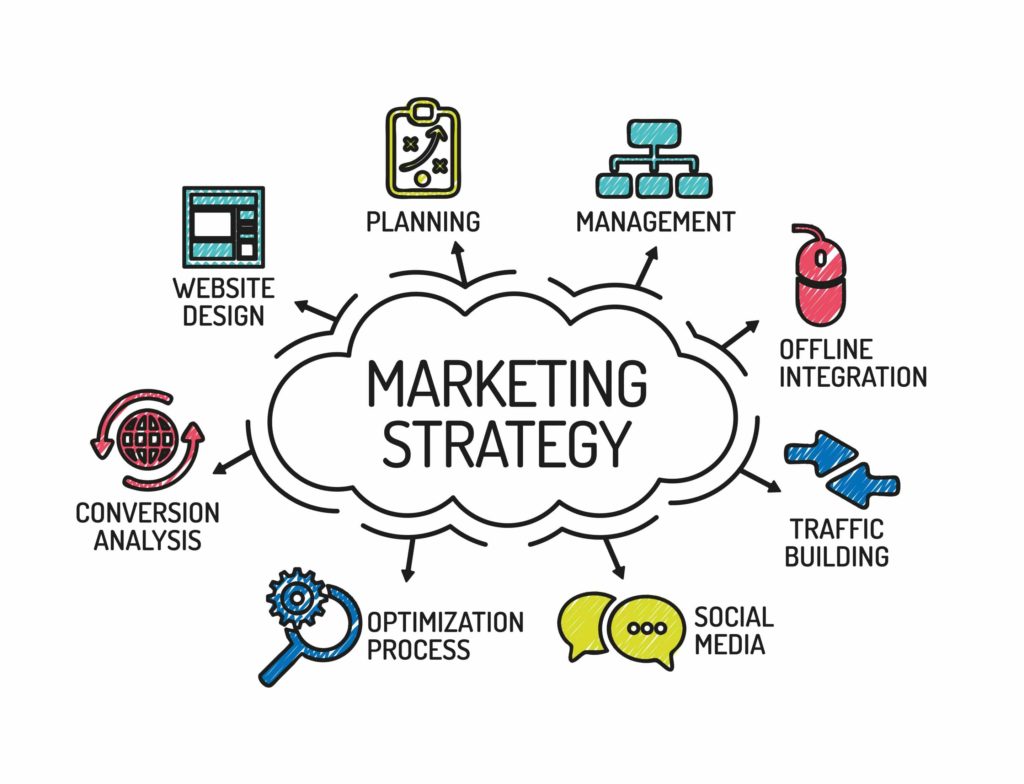
Get FREE Marketing Tips So You Can Grow Your Online Business
Check Out Our Latest Posts
Get Your FREE Gift
"5 Psychological Marketing Tips To Influence Your Customers & Make More Sales"
Download This Free e-book To Learn How To:
Want More Leads, Traffic, & Sales?
Sign Up For Free Tips & Boost Your Results Now!