
Sign Up For Free Tips So You Can:
Turn a Weak Lead Magnet Into a Reliable Conversion Tool
A lead magnet should give people a compelling reason to exchange their email address for access to something useful. When downloads remain low, the problem is rarely that audiences have stopped caring about free resources. More often, the offer is unclear, poorly matched to visitor intent, or surrounded by enough friction to make the signup feel like work.
Understanding why your lead magnet isn’t converting requires examining the entire path from first impression to delivery. The topic, promise, landing page, form, call to action, and follow-up sequence all influence whether a visitor becomes a subscriber.
A strong opt-in asset can attract qualified leads, build trust, and create a natural bridge toward a product or service. The fixes below focus on practical conversion strategy rather than simply redesigning a button or changing a headline.
Diagnose The Conversion Problem
Start with the numbers. Compare landing-page visits, form views, completed submissions, confirmation clicks, and actual downloads. A large gap between page visits and form submissions points to a weak offer or unclear message. A strong form completion rate with few confirmed subscribers may indicate a technical issue, an overly aggressive double-opt-in process, or poor email deliverability.
Traffic quality matters just as much as conversion rate. Visitors searching for pricing information are unlikely to download a beginner’s checklist, while people reading an educational blog post may respond well to a practical guide. Segment performance by traffic source, device, page, and campaign so you can see whether the lead magnet fails everywhere or only in a specific context.
Strengthen The Offer And Promise
Generic resources produce generic results. “Free Marketing Ebook” gives visitors little reason to act because it does not communicate a specific outcome. A sharper promise might offer a method to write a sales email in 20 minutes, identify five conversion leaks, or create a seven-day promotional plan.
Make the value tangible without overpromising. State who the resource is for, what problem it addresses, and what the reader will be able to do after using it. The title, subheading, preview image, and call to action should all reinforce the same benefit.
Relevance often beats length. A focused worksheet can outperform a 60-page ebook when it helps solve an urgent problem quickly. Review your most popular articles, customer objections, sales calls, and search queries to identify topics with proven demand. Resources based on real audience language usually feel more valuable than ideas chosen from assumptions.
Reduce Signup Friction
Every additional field creates another reason to abandon the form. If you only need an email address to deliver the resource, do not require a phone number, company size, job title, and full name. Ask for extra information later, after you have earned more trust.
The page should make the next step obvious. Use one primary call to action, place the form near the offer, and explain what happens after submission. A button labeled “Submit” is functional but weak; “Send Me The Checklist” connects the action to the promised benefit.
| Conversion issue | Likely cause | Practical fix |
|---|---|---|
| High traffic, few signups | Weak or vague value proposition | Rewrite the headline around a specific outcome |
| Many form starts, few completions | Too many fields or unclear instructions | Shorten the form and clarify the process |
| Good signups, low engagement | Poor delivery or mismatched expectations | Improve the welcome email and align the content |
| Mobile visitors abandon the page | Slow loading or difficult layout | Simplify the design and test every field on mobile |
| Downloads occur but sales do not | No logical next offer | Add relevant education and a clear product path |
Test the page on a mobile device, where cramped forms, slow-loading graphics, and intrusive pop-ups can quickly damage conversions. Compress images, remove distractions, and ensure the download email arrives promptly. Technical reliability is part of the perceived value.
Build Trust Before Asking
People protect their inbox because unwanted email has a real cost. Explain what subscribers will receive, how often they will hear from you, and that they can unsubscribe easily. A brief privacy statement near the form can reduce anxiety, especially for visitors unfamiliar with your brand.
Trust signals should support the offer rather than overwhelm it. Add a short author bio, a useful preview, recognizable client results, or a concise testimonial when available. Specific proof is more persuasive than broad claims such as “industry-leading” or “the ultimate guide.”
Your content ecosystem also influences the signup decision. Consistent educational articles demonstrate expertise before the visitor sees the form. For practical guidance on copywriting, consumer psychology, email marketing, and offers, readers can explore the marketing education library while evaluating whether the brand is worth following.
Connect The Magnet To The Buyer Journey
A lead magnet should attract people who may eventually need your paid solution. If the free resource appeals to everyone, it may generate a large list with little buying intent. Match the topic to a problem your product or service can legitimately help solve.
The follow-up sequence turns a download into a relationship. Deliver the resource immediately, then send useful messages that expand on its core lesson. Share a relevant example, address a common mistake, and show a practical next step before presenting an offer.
Personalization can improve relevance without requiring complicated automation. Create separate sequences for different resources, industries, or stated goals. Someone who downloads a landing-page checklist should receive different education from someone who signs up for an affiliate marketing guide.
Prioritize The Highest-Impact Fixes
Avoid changing every element at once. Choose one clear hypothesis, such as “A more specific promise will increase qualified opt-ins,” then test a revised headline or offer against the existing version. Track conversion rate alongside lead quality, email engagement, and sales activity.
Use this repair sequence:
- Rewrite the headline around one urgent problem and one measurable benefit.
- Remove unnecessary form fields and improve the call-to-action text.
- Add a preview, proof element, and clear privacy or delivery expectation.
- Test page speed, mobile usability, confirmation emails, and download access.
- Build a short nurture sequence that leads naturally toward the next offer.
A successful lead magnet is a complete conversion system, not simply a downloadable file. Audit the promise, page, form, delivery experience, and follow-up this week, then make the smallest high-impact change first. Put the revised asset in front of qualified traffic and use the resulting data to keep improving its performance.
Expert Marketing Tips & Tricks
We will share with you the latest tips and tricks from proven marketing experts:
- Dominate your target market
- Write powerful sales copy that converts
- Learn traffic secrets to attract unlimited leads
- Create Irresistible offers
- Grow your email list
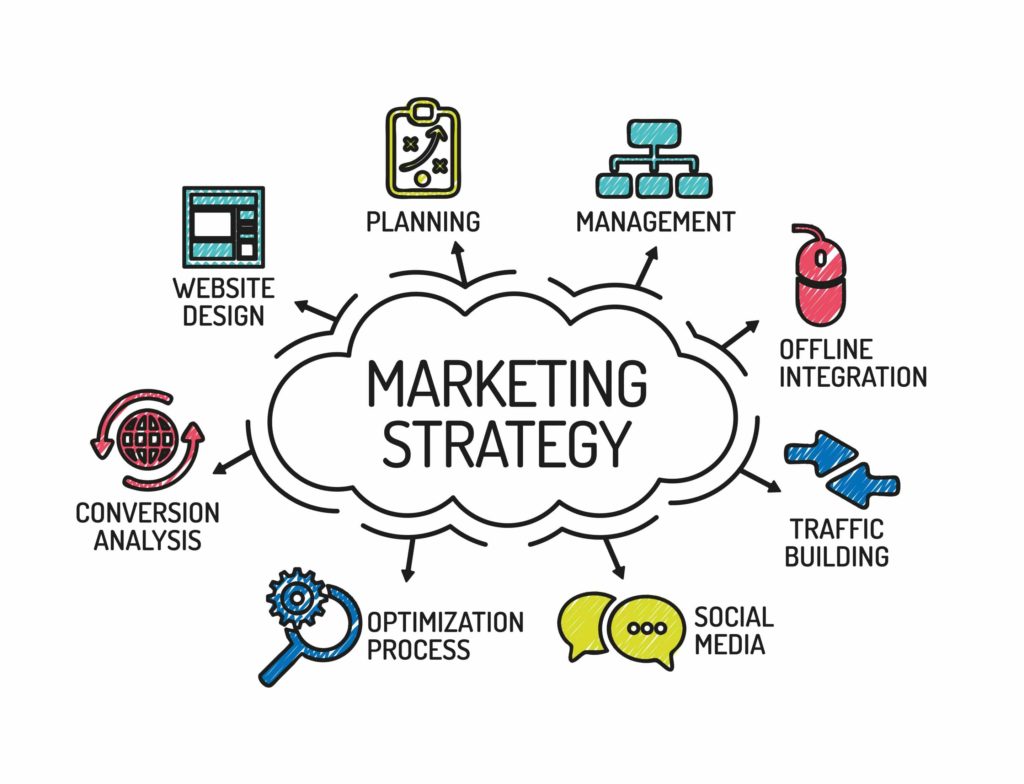
Get FREE Marketing Tips So You Can Grow Your Online Business
Check Out Our Latest Posts
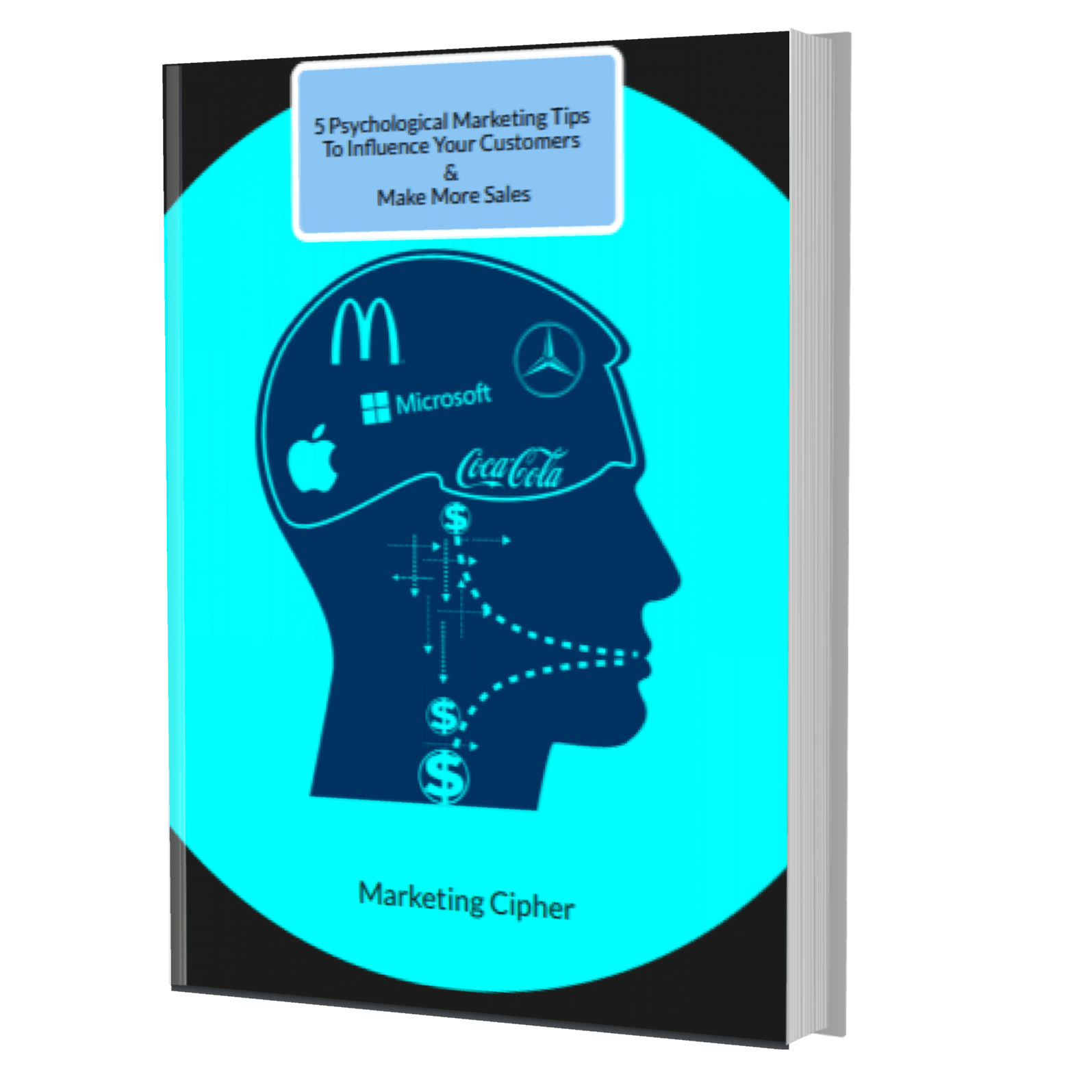
Get Your FREE Gift
"5 Psychological Marketing Tips To Influence Your Customers & Make More Sales"
Download This Free e-book To Learn How To:
Want More Leads, Traffic, & Sales?
Sign Up For Free Tips & Boost Your Results Now!