
Sign Up For Free Tips So You Can:
Writing a Landing Page Headline That Hooks Within Seconds
A landing page headline has a brief window to earn attention. Visitors scan before they read, compare your promise with their immediate needs, and decide whether the page deserves another few seconds. Your headline must therefore communicate relevance and value before design, supporting copy, or a call to action can do the heavy lifting.
A strong hook is not simply clever wording. It connects a specific audience with a meaningful outcome, removes confusion, and creates enough interest to encourage the next line. Whether you sell software, consulting, courses, or physical products, the best headline usually answers a silent question: “Why should I care right now?”
This principle fits the broader approach shared by Marketing Cipher, where persuasive messaging, consumer psychology, and conversion strategy come together. The goal is to make every word support movement from attention to action.
Start With The Visitor’s Immediate Desire
Effective headlines begin with the customer’s problem, ambition, or urgency rather than the company’s credentials. “Advanced Analytics Platform” describes a product category, while “See Which Campaigns Create Revenue” points toward a result. The second version gives the reader a reason to continue.
Use language your audience already uses when describing the situation. Customer reviews, sales calls, support tickets, search queries, and online communities can reveal the phrases that feel natural to real buyers. A headline becomes more persuasive when it reflects familiar frustrations instead of relying on internal brand vocabulary.
Specificity strengthens the hook. “Improve Your Marketing” is broad enough to apply to almost anything. “Turn More Website Visitors Into Qualified Leads” identifies an outcome, a mechanism, and a business concern in a compact statement.
Lead With A Clear Value Proposition
A value proposition tells visitors what they receive and why the offer matters. It can emphasize speed, savings, simplicity, access, certainty, or a distinctive advantage. The headline does not need to explain the entire offer, but it should make the central benefit easy to recognize.
A useful formula is outcome plus audience or outcome plus mechanism. For example, “Write Sales Emails Faster With Proven Templates” combines a desired result with a practical way to achieve it. “Build A Stronger Portfolio For Your Freelance Career” identifies both the benefit and the context.
Avoid stuffing every selling point into the first line. Multiple promises compete for attention and weaken recall. Choose the benefit most closely linked to the visitor’s reason for arriving, then let the subheadline supply proof, detail, or secondary advantages.
Match The Hook To The Offer
A headline must create the right expectation for the page that follows. If the opening promises a free strategy guide but the visitor finds a product pitch, trust declines immediately. Message match between advertisement, search result, email, and landing page also helps visitors feel they have arrived in the right place.
Curiosity can increase engagement when it is paired with clarity. “The Overlooked Reason Your Ads Stop Converting” invites investigation, but a supporting line should quickly explain what the page offers. Curiosity without context may attract clicks while producing weak conversions.
In specialist markets, specificity can make the promise more credible. For instance, readers exploring casino verdieping cursus expect language that reflects their level of interest and subject knowledge. A generic headline would miss the opportunity to signal relevance.
Choose Words That Create Momentum
Strong verbs make a headline feel active. Words such as “launch,” “discover,” “reduce,” “build,” “recover,” and “convert” suggest movement toward a result. Replace passive constructions with language that shows what the reader can do or gain.
Numbers can add structure and perceived practicality, especially when they describe a believable process: “Create A Three-Step Follow-Up System” feels more tangible than “Improve Your Follow-Up.” Use numbers honestly and avoid inflated claims that create skepticism.
The emotional tone should suit the buying situation. Urgency may work for a time-sensitive offer, while reassurance matters for an expensive or complicated decision. A headline should create motivation without using fear, hype, or promises the product cannot support.
| Headline approach | Best use | Example | Main risk |
|---|---|---|---|
| Benefit-led | When the outcome is clear | “Get More Qualified Leads From Your Traffic” | Can sound generic |
| Problem-led | When pain is urgent | “Stop Losing Sales At Checkout” | May feel negative |
| Curiosity-led | When discovery is central | “The Missing Step In Your Email Funnel” | Can become vague |
| Specificity-led | For niche audiences | “Plan A Seven-Day Product Launch” | May narrow appeal |
| Proof-led | When evidence is available | “Trusted By 2,000 Growing Brands” | Needs verification |
Support The Headline With The Next Line
The subheadline should resolve the headline’s open loop. It can clarify who the offer is for, explain how it works, add a time frame, or reduce perceived risk. If the headline says, “Create A Better Affiliate Funnel,” the subheadline might explain that the system includes templates, tracking guidance, and a short implementation plan.
Visual hierarchy matters because visitors often read the headline, subheadline, and button as one unit. Keep the main promise prominent, use short supporting copy, and ensure the call to action follows a logical path. A polished design cannot rescue a confusing message, but good layout can make a clear message easier to process.
Your headline can also establish the theme for the rest of the page. An article about a compelling why statement demonstrates how a clear central reason can organize persuasion. The same principle applies to landing pages: one strong idea should guide the headline, proof, benefits, and CTA.
Test For Clarity And Conversion
Before publishing, ask whether someone unfamiliar with your business can explain the offer after reading the headline and subheadline. If they cannot identify the audience, benefit, or next step, simplify the wording. Remove abstract adjectives and replace them with concrete outcomes.
Read the headline aloud and inspect it on a mobile screen. Long lines, awkward phrasing, or a buried benefit become more obvious when the copy is spoken or viewed in a narrow layout. Check that the first visible section communicates value without requiring visitors to scroll.
Test meaningful alternatives rather than tiny wording changes. Compare a benefit-led headline with a pain-focused version, or a broad promise with a specific result. Track conversion rate, button clicks, lead quality, and revenue where possible; a headline that wins clicks but attracts poor-fit visitors is not a true improvement.
A Practical Review Before Publishing
Use this short checklist to refine the first impression:
- Name a concrete result that matters to the intended visitor.
- Use familiar language instead of internal jargon or vague claims.
- Match the promise to the source, offer, and page content.
- Add proof, specificity, or a clear mechanism when credibility is weak.
- Test the headline with real conversion data rather than personal preference.
Give each version enough traffic and time to produce a useful comparison. A headline should earn attention quickly, but its real job is to attract the right people and move them toward a valuable action.
Write several benefit-focused drafts, place the strongest promise above the fold, and pair it with a clarifying subheadline and relevant CTA. Then publish, measure, and refine the version that turns attention into qualified leads or sales.
Expert Marketing Tips & Tricks
We will share with you the latest tips and tricks from proven marketing experts:
- Dominate your target market
- Write powerful sales copy that converts
- Learn traffic secrets to attract unlimited leads
- Create Irresistible offers
- Grow your email list
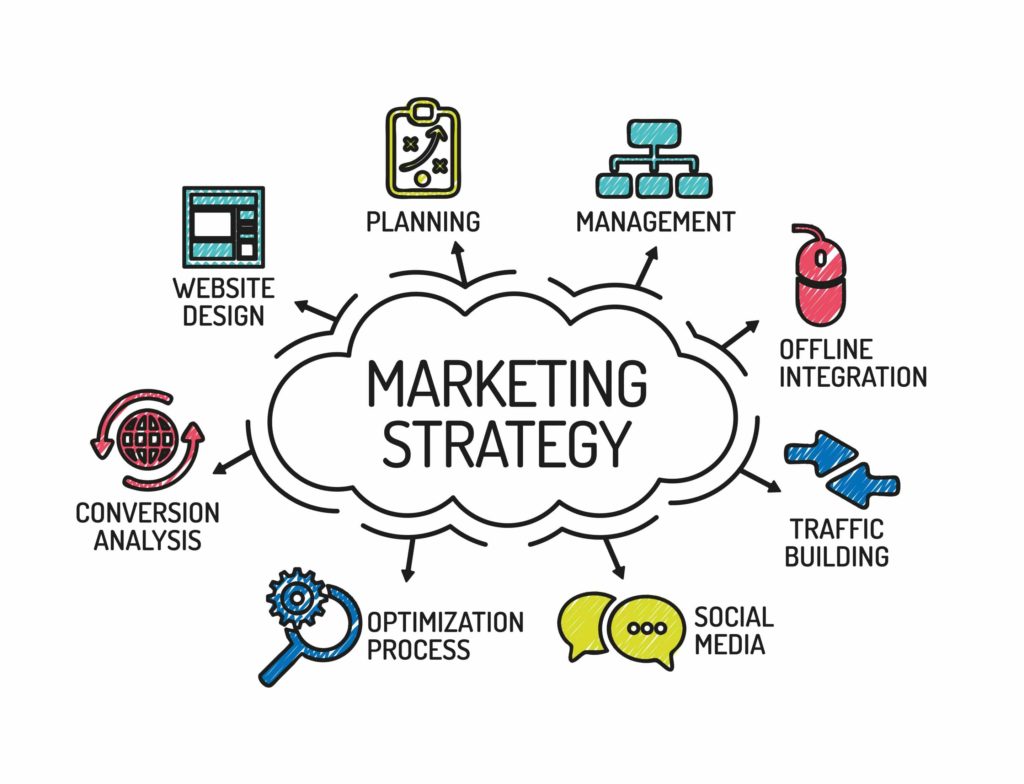
Get FREE Marketing Tips So You Can Grow Your Online Business
Check Out Our Latest Posts
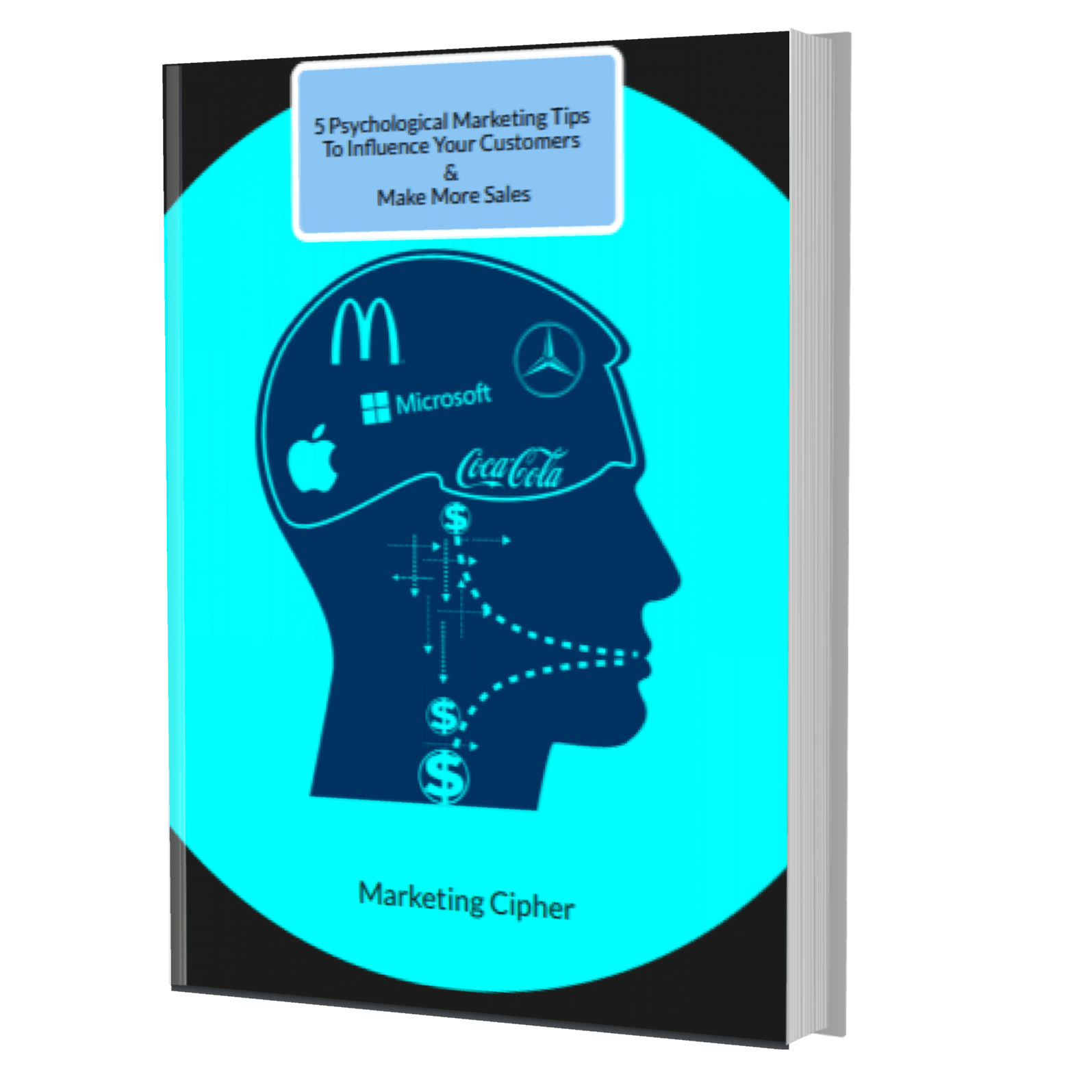
Get Your FREE Gift
"5 Psychological Marketing Tips To Influence Your Customers & Make More Sales"
Download This Free e-book To Learn How To:
Want More Leads, Traffic, & Sales?
Sign Up For Free Tips & Boost Your Results Now!