
Sign Up For Free Tips So You Can:
Writing an Outro Paragraph That Earns the Click to Your Offer
An outro paragraph is often the last chance to turn interest into action. By the time a reader reaches the end of an email, sales page or article, they may understand the problem and like the solution, but they still need a reason to click now. A useful closing paragraph bridges that gap without repeating every benefit you have already covered.
Its job is not to summarise everything. Its job is to direct attention toward one next step, make the offer feel relevant, and remove the uncertainty that could stop the click. Done well, it reads like the natural end of the conversation rather than a banner bolted onto the copy.
Begin With the Reader's Goal
Start by deciding what the reader should think or do next. “Buy now” is a weak destination; “start your first campaign this afternoon” gives the click a clear purpose. Translate the offer into an outcome that matters to the prospect, such as attracting qualified leads, increasing traffic or building a repeatable sales process.
Then connect that outcome to the mechanism behind the offer. If the offer is a short guide, a template or a case study, explain why it works. A reader is more likely to follow a click when the promise and the method belong together, especially when the offer solves a specific problem instead of promising a vague transformation.
Build Context Before the Click
A persuasive close needs enough context to feel earned. Briefly confirm the problem, sharpen the cost of leaving it unresolved, and show how the offer addresses the gap. This is where a concise proof point can help, whether it is a customer result, a useful statistic or a concrete feature that reduces effort.
The final transition should also prepare the reader for the destination. Copy that discusses lead generation and then jumps straight to a general homepage feels disjointed. For a deeper look at creating a transition that feels logical, read the guide to building a natural next step before you settle on the button label.
Keep the sequence simple: desired result, relevance of the offer, one reassuring detail, then the call to action. If every sentence introduces a new benefit, the reader has no obvious place to act. Choose one promise and make the closing paragraph support it.
Make the Offer the Logical Destination
The strongest outro answers an unspoken question: “Why this offer now?” Show the fit between the reader’s situation and what they receive. A small-business owner in Melbourne looking for more local enquiries, for example, needs an offer built around traffic, leads and conversion—not a generic promise to “grow online”.
Specificity makes the offer easier to click. A food retailer could use a product range such as Hot Sauce Drops to demonstrate how vivid product details and a clear reason to visit can turn general browsing into action. The same principle applies to a service business: name the audience, the result and the practical next step so the landing page feels like a continuation of the ad or email.
Local clarity matters too. Display prices in Australian dollars (AUD), say whether the 10% GST is included, and set delivery expectations if goods ship through Australia Post. Australian shoppers tend to appreciate direct language and honest conditions; hiding extras such as GST or freight costs can undermine trust at the exact moment you ask for the click.
Write a Closing Paragraph That Earns the Click
A practical structure is: confirm the desired outcome, introduce the offer as the route to that outcome, add one credible reason to act, and invite the click. This gives the paragraph a clear progression while keeping the focus on the reader rather than the seller. Replace broad claims with language your audience would actually use.
Before publishing, read the paragraph on a phone and keep the action concise. Place the call to action after the persuasive close, and make sure the destination continues the same promise that appeared in the advertorial or email.
- Name the immediate benefit in plain language, such as getting campaign ideas or attracting better-fit leads, rather than using an abstract phrase like “unlock your potential”.
- Connect the offer directly to the problem described earlier in the email, article or landing page so the click feels like a solution, not a detour.
- Add one reason for confidence, such as a free resource, a practical demonstration or a transparent condition, without stacking several claims into the final paragraph.
- Remove friction by clarifying what happens after the click, whether that means instant access, a simple email signup or delivery details relevant to Australian customers.
Finish With One Clear Action
The call to action should use active, familiar verbs: download, get, start, read or book. “Learn more” creates almost no momentum because it does not tell the reader what they will receive. “Get the campaign template” gives the click a visible reward and keeps the expectation honest.
Check the transition, button and landing page as one unit. If the outro promises a free guide, the link should open that guide or a relevant signup page; if it promises local delivery information, the destination should answer that question. This alignment protects both the click and the reader’s trust.
Start sharpening your marketing funnel with the free marketing ebook. Subscribe for practical advice on copywriting, email marketing and conversion, then apply the framework to your next campaign.

Expert Marketing Tips & Tricks
We will share with you the latest tips and tricks from proven marketing experts:
- Dominate your target market
- Write powerful sales copy that converts
- Learn traffic secrets to attract unlimited leads
- Create Irresistible offers
- Grow your email list
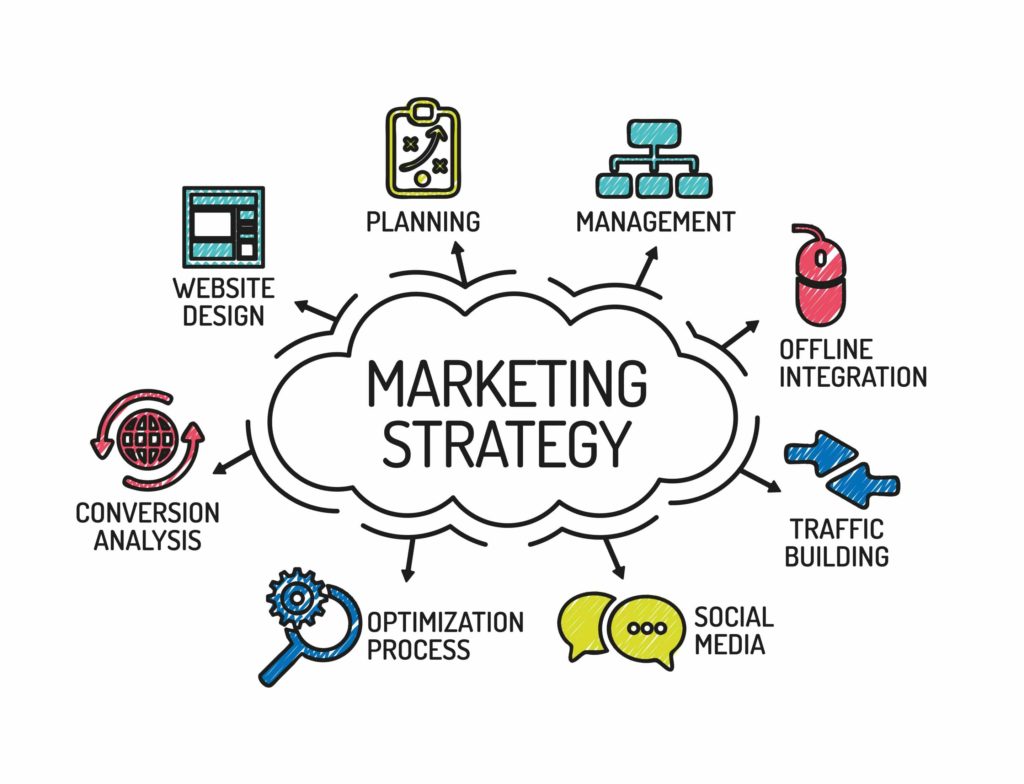
Get FREE Marketing Tips So You Can Grow Your Online Business
Check Out Our Latest Posts
Get Your FREE Gift
"5 Psychological Marketing Tips To Influence Your Customers & Make More Sales"
Download This Free e-book To Learn How To:
Want More Leads, Traffic, & Sales?
Sign Up For Free Tips & Boost Your Results Now!