
Sign Up For Free Tips So You Can:
Copywriting for Social Media That Turns Scrollers Into Customers
Social media copywriting is the discipline of making a small number of words perform a large job. A caption, headline, or short video script must earn attention, create relevance, and guide someone toward a useful next step before the feed moves on.
The strongest posts are rarely the loudest. They use clear benefits, specific language, emotional relevance, and a low-friction call to action. When these elements work together, short-form persuasion can build trust as effectively as a longer sales page.
Every platform has its own rhythm, yet the underlying principles remain consistent. Whether you are writing for Instagram, LinkedIn, Facebook, or short-form video, your message should make the reader feel seen and show why acting now is worthwhile.
Start With One Clear Promise
A persuasive post begins with a single idea. If a caption tries to explain a product, tell a brand story, teach a lesson, and promote a discount at once, the reader has to work too hard to find the point. Choose one outcome and make it visible in the opening line.
Specific promises outperform vague claims. “Improve your campaign” is broad, while “Write a stronger email subject line in five minutes” gives the audience a concrete result. The promise should be useful, believable, and connected to a problem your target customer already recognizes.
A simple formula is problem, benefit, and proof. Name the frustrating situation, show the desired change, then support the claim with an example, observation, statistic, or customer result. This structure creates clarity without making a short post feel like an advertisement.
Write For the Scroll
People scan social feeds rather than read them line by line. Short sentences, strong verbs, and deliberate spacing make your message easier to process. Put the most important idea first instead of burying it beneath background information.
Hooks can take several forms: a surprising contrast, a direct benefit, a mistake to avoid, or a sharply defined audience. “For consultants who struggle to get replies” is more compelling than “Some businesses find outreach difficult” because it identifies the reader immediately.
Curiosity works best when it opens a meaningful information gap. Avoid withholding the basic point just to force a click. A useful hook might be, “Your discount may be reducing conversions,” followed by an explanation of how price framing changes perceived value.
Use conversational language, but do not confuse casual wording with careless writing. Remove filler, replace abstract nouns with vivid verbs, and read the copy aloud. If a sentence would sound unnatural in a conversation, it may slow the reader down in a feed.
Use Psychology Without Pressure
Persuasion becomes more credible when it reflects how people actually make decisions. Social proof reduces uncertainty, contrast clarifies value, and loss aversion highlights what remains at stake when a problem goes unresolved. These principles should illuminate a decision, not manipulate the audience.
Price presentation is a useful example. A carefully structured offer can help customers understand which option best fits their needs; a related explanation of pricing psychology shows why comparison can shift perceived value. In social copy, explain the difference between choices instead of simply declaring one “the best.”
| Copy Element | Weak Version | Stronger Version |
|---|---|---|
| Benefit | “Get better results” | “Turn more product-page visits into trials” |
| Proof | “Customers love it” | “Used by 320 small retailers this year” |
| Urgency | “Act now” | “Enrollment closes Friday at 6 p.m.” |
| Call to action | “Learn more” | “See the three-step checklist” |
Ethical urgency must be accurate. A real deadline, limited inventory, or seasonal opportunity can prompt action, while invented scarcity can damage trust. Good short-form persuasion makes the next step feel sensible rather than coerced.
Build Posts Around Micro-Conversions
A social post does not always need to produce an immediate sale. Smaller actions can move a prospect forward: saving a checklist, replying with a keyword, watching a demonstration, joining an email list, or visiting a product page. These micro-conversions create measurable engagement and future opportunities.
Match the call to action to the amount of commitment requested. A new visitor may respond to “Save this framework,” while a warm prospect may be ready for “Book a strategy call.” The copy should explain what happens after the click so the action feels predictable.
Use one primary call to action per post. Multiple competing instructions dilute attention and make performance harder to interpret. If a post teaches a framework, invite the reader to download the full guide; if it presents a customer result, direct them to the relevant offer.
Turn Engagement Into Follow-Up
Comments, direct messages, and link clicks reveal intent, but attention has limited value if there is no planned next interaction. Connect social content to a landing page, lead magnet, welcome sequence, or personal response that continues the promise made in the post.
A strong follow-up repeats the reader’s motivation without copying the original caption. If the post promised a faster way to create campaign ideas, the next email should deliver a practical method or resource. The follow-up email strategy can help shape timely messages that keep interest moving toward a decision.
Personalization improves relevance when it is based on behavior. Someone who downloads a pricing guide should receive content about offers and value framing, while someone who watches a tutorial may benefit from implementation examples. Segmenting these signals makes email marketing and social retargeting more useful.
Track the path from post to outcome. Measure saves, shares, profile visits, clicks, leads, and sales according to the role of each piece of content. A post with modest reach may be highly valuable if it attracts qualified prospects.
Create A Practical Posting Checklist
Consistency becomes easier when every draft passes through the same quality filter. A checklist protects the central promise and keeps creative decisions connected to conversion goals.
Use the following checks before publishing:
- Does the opening line identify a problem, desire, or audience?
- Can the reader understand the main benefit within seconds?
- Is there one clear and credible proof point?
- Does the call to action match the audience’s level of awareness?
- Can performance be measured through a specific behavior?
Test one variable at a time when possible. Compare two hooks, two benefits, or two calls to action while keeping the offer and audience similar. Record the results over enough posts to avoid treating one unusually strong or weak performance as a permanent rule.
Give Every Strong Idea A Next Step
Effective social media copy does more than win a moment of attention. It helps the right people recognize a problem, trust your perspective, and move naturally toward a deeper resource or offer. Clear positioning, behavioral insight, and disciplined testing make brief messages commercially meaningful.
Put these techniques into practice across your next campaign, then refine them using real audience signals. Subscribe to Marketing Cipher for practical marketing advice and promotional insights, and download the free ebook to build a stronger path from social attention to measurable sales.

Expert Marketing Tips & Tricks
We will share with you the latest tips and tricks from proven marketing experts:
- Dominate your target market
- Write powerful sales copy that converts
- Learn traffic secrets to attract unlimited leads
- Create Irresistible offers
- Grow your email list
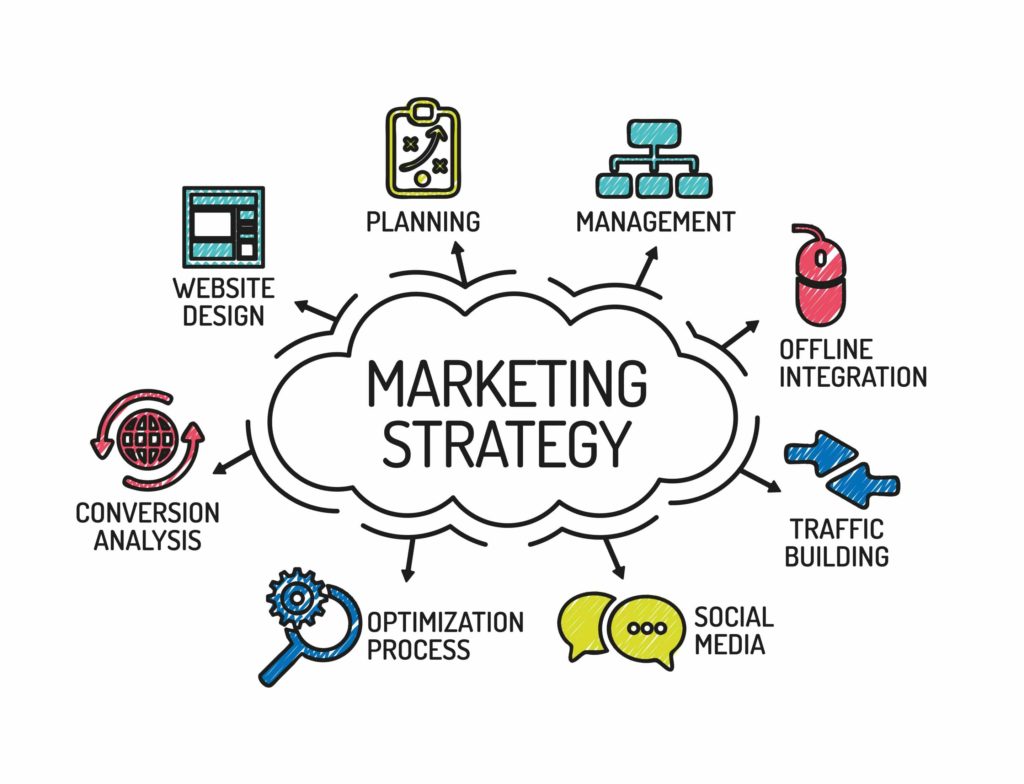
Get FREE Marketing Tips So You Can Grow Your Online Business
Check Out Our Latest Posts
Get Your FREE Gift
"5 Psychological Marketing Tips To Influence Your Customers & Make More Sales"
Download This Free e-book To Learn How To:
Want More Leads, Traffic, & Sales?
Sign Up For Free Tips & Boost Your Results Now!