
Sign Up For Free Tips So You Can:
The art of the follow-up email in affiliate campaigns
Affiliate campaigns rarely succeed because of a single promotional email. Subscribers often need time to understand the offer, connect it to a personal need, and decide whether the promised result is worth the cost. A thoughtful follow-up sequence creates that space without allowing interest to fade.
The strongest messages feel like useful guidance rather than repeated sales pitches. They answer objections, add context, and show readers how the product fits into a specific situation. This approach can increase clicks and conversions while protecting trust in your email list.
Follow-up email marketing also gives affiliates a chance to learn. Open rates, link clicks, replies, and purchases reveal which benefits matter most to an audience. That information can improve future copy, landing pages, lead magnets, and promotional timing.
Build the sequence around buyer intent
Every email should have a distinct job. The first message may introduce the affiliate offer, while the next explains a feature, handles a concern, or demonstrates a practical use case. Sending the same pitch repeatedly makes the campaign feel automated and impatient.
Segment subscribers when possible. Someone who clicked but did not purchase needs different content from someone who opened several emails without clicking. A reader who downloaded a related resource may respond well to educational content, while an active product researcher may need a comparison or a clear explanation of the buying process.
A simple sequence might follow this path:
- Introduce the problem and the relevant solution.
- Share a useful example or quick win.
- Address the most likely objection.
- Present the offer with clear benefits and honest limitations.
- Create a reason to act before the campaign ends.
Make every follow-up earn attention
A follow-up should contribute something new. This could be a short tutorial, a checklist, a customer story, a demonstration, or a fresh interpretation of the product’s value. If the email contains no new insight, the reader has little reason to open it.
Use a subject line that reflects the actual message. “A faster way to organize your campaigns” is stronger than vague urgency because it gives the subscriber a concrete benefit. Preview text should extend that promise instead of repeating the subject line.
Keep the body focused on one primary action. Too many links, product claims, and competing ideas weaken the decision. One central promise supported by relevant details usually creates a clearer path to the affiliate page.
Use education before promotion
Educational follow-ups work especially well when the offer requires explanation. Teach a principle, show a common mistake, or outline a process that the product helps simplify. The affiliate link then becomes a logical next step rather than an interruption.
Content repurposing can supply material for this sequence. A tutorial can become a short email lesson, a checklist, a case study, and a social post; this content repurposing guide offers a practical way to expand one idea across multiple marketing assets.
The educational angle should still connect to the offer. Avoid sending valuable but unrelated tips that attract clicks without creating buying intent. Each message should move the subscriber from awareness toward confidence.
Match timing to the decision cycle
There is no universal delay between emails. Low-cost products may need only a few days of nurturing, while expensive software, courses, or services may require several weeks. Monitor engagement and adjust the schedule according to the audience’s buying behavior.
A useful rhythm gives people enough time to read and act without creating long gaps. For example, an affiliate campaign might send an initial message, follow up two days later with proof, address objections after another two days, and then send a final reminder when a genuine deadline approaches.
Urgency must be truthful. Mention a real discount expiration, enrollment date, bonus removal, or availability limit. Artificial countdowns may produce a short-term sale, but they can damage credibility and increase unsubscribes.
Compare follow-up angles before scaling
Testing is most useful when each version changes one meaningful variable. Compare a benefit-focused email with an objection-focused email, or test a personal story against a concise product demonstration. Track revenue per recipient, not just open rates, because attention without action does not pay commissions.
| Follow-up angle | Best use | Main proof needed | Primary metric |
|---|---|---|---|
| Educational lesson | Explain a complex solution | Clear teaching and relevance | Click-through rate |
| Personal story | Build identification and trust | Specific experience | Replies and conversions |
| Objection response | Reduce hesitation | Direct, credible answers | Conversion rate |
| Product demonstration | Show the offer in action | Screenshots or steps | Affiliate sales |
| Deadline reminder | Encourage timely action | Genuine deadline | Revenue per recipient |
Review performance by segment as well as by campaign. A subject line that works for new subscribers may perform poorly with long-term readers. Likewise, an offer can attract clicks from curious people but generate purchases only among subscribers who consumed earlier educational emails.
Improve trust at every touchpoint
Affiliate disclosure should be clear, brief, and easy to notice. Readers deserve to know when a link may generate commission, and transparency can strengthen the relationship when the recommendation is genuinely relevant. Avoid exaggerated claims, guaranteed outcomes, and testimonials that lack context.
The email should also align with the destination page. If the message promises a beginner-friendly tool, the landing page should immediately reinforce that positioning. When the email and page tell different stories, conversion rates suffer because subscribers must rebuild confidence.
A weak lead magnet can create the same problem earlier in the funnel. Before adding more promotional emails, review why your lead magnet is not converting and make sure the initial promise attracts people who are likely to value the affiliate offer.
Practical habits for stronger campaigns
A repeatable review process helps turn follow-up writing into a reliable conversion skill. Before scheduling each email, check its purpose, relevance, evidence, and next step. Small improvements in clarity often matter more than clever wording.
Use these habits when preparing an affiliate sequence:
- Write the subject line after finishing the email so it reflects the real value.
- Put the reader’s problem before the product’s features.
- Include one specific proof point, example, or demonstration.
- Anticipate one objection instead of listing every possible concern.
- Remove any claim you cannot support or explain honestly.
The best follow-up email in affiliate campaigns feels timely, useful, and earned. It respects the subscriber’s attention while steadily reducing uncertainty. Build a sequence that teaches, proves, and guides, then measure the revenue each message creates. Subscribe to Marketing Cipher for practical marketing advice, conversion ideas, and free resources that help turn audience attention into sustainable sales.
Expert Marketing Tips & Tricks
We will share with you the latest tips and tricks from proven marketing experts:
- Dominate your target market
- Write powerful sales copy that converts
- Learn traffic secrets to attract unlimited leads
- Create Irresistible offers
- Grow your email list
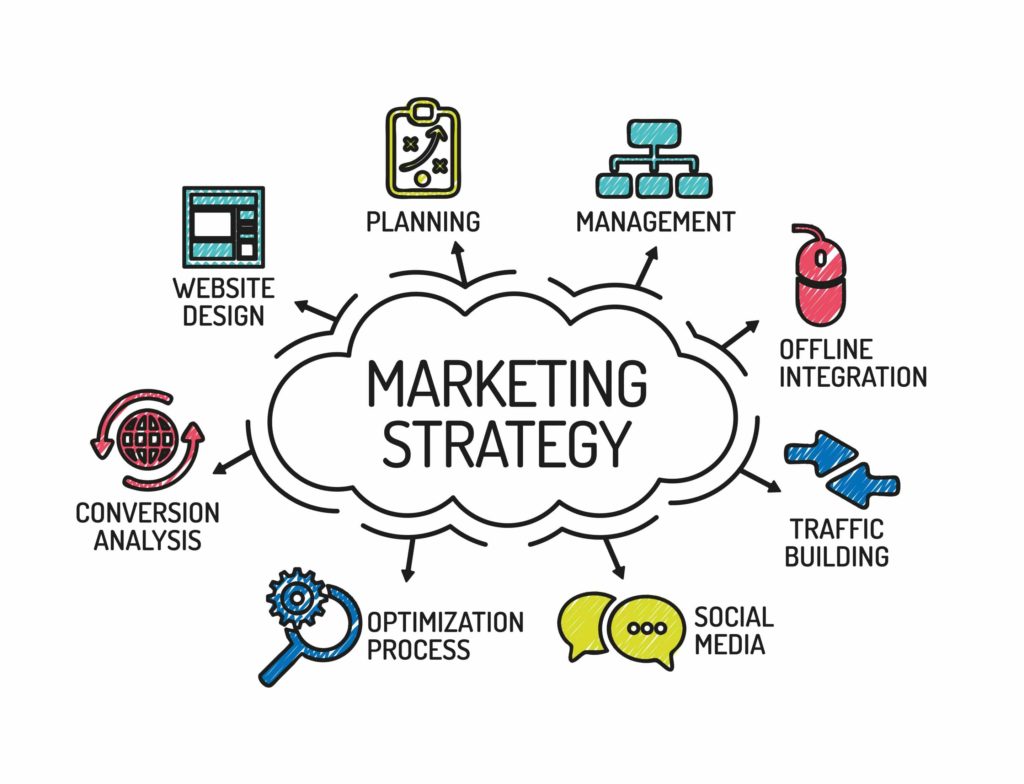
Get FREE Marketing Tips So You Can Grow Your Online Business
Check Out Our Latest Posts
Get Your FREE Gift
"5 Psychological Marketing Tips To Influence Your Customers & Make More Sales"
Download This Free e-book To Learn How To:
Want More Leads, Traffic, & Sales?
Sign Up For Free Tips & Boost Your Results Now!