
Sign Up For Free Tips So You Can:
Email Sequence Templates for Welcoming New Subscribers
A new subscriber has just raised a hand and asked to hear from your business. The first few messages determine whether that interest becomes engagement or quietly fades. A thoughtful welcome campaign gives people a clear reason to open, click, and continue paying attention.
Effective email sequence templates for welcoming new subscribers combine timing, relevance, and persuasive copy. They introduce your brand without overwhelming the reader, deliver an immediate benefit, and guide each person toward a useful next step.
The strongest sequences also reflect your broader marketing funnel. For practical ideas on copywriting, consumer psychology, and conversion strategy, Marketing Cipher offers resources that can help you improve every stage of the subscriber journey.
Start With a Clear Welcome Promise
The first email should arrive immediately after sign-up whenever possible. Its job is simple: confirm the subscription, deliver the promised incentive, and explain what subscribers can expect next. If the form offered a guide, discount, checklist, or course, place that benefit near the top of the message.
Use a subject line that feels specific rather than generic. “Your conversion checklist is ready” creates a stronger expectation than “Welcome to our list.” The opening paragraph should reinforce the reason for joining and make the reader feel that their decision was worthwhile.
A useful first-email structure includes:
- A warm thank-you
- The promised resource or offer
- One sentence about future emails
- A low-friction call to action
- A simple way to contact the business
Build a Short Subscriber Journey
A welcome campaign usually works best as a sequence rather than a single message. Each email should have one primary purpose, while the full series moves subscribers from recognition to trust and then toward a commercial action.
Avoid sending several emails that repeat the same welcome language. Instead, let every message answer a different question: What did I sign up for? Why should I trust this business? How can it help me? What should I do next?
| Email timing | Main purpose | Suggested content | Primary action |
|---|---|---|---|
| Immediately | Deliver value | Resource, welcome note, expectation setting | Access the offer |
| Day 2 | Establish relevance | Common problem and useful insight | Read an article |
| Day 4 | Build trust | Story, proof, result, or customer example | Explore a solution |
| Day 6 | Address hesitation | FAQ, objection handling, comparison | View the offer |
| Day 9 | Invite action | Reminder, bonus, or timely incentive | Buy, book, or reply |
This schedule is a starting point, not a fixed rule. A daily educational course may need tighter timing, while a high-consideration service could benefit from longer gaps. Watch subscriber behavior and adjust the pace to match the buying decision.
Write Emails That Earn the Next Open
A welcome email should not attempt to explain everything about your company. It should create enough value and curiosity for the subscriber to welcome the next message. Short paragraphs, descriptive subheads, and one central idea make the content easier to scan on a phone.
Subject lines deserve careful attention because they set the tone before the email is opened. Use clarity, specificity, and a benefit where appropriate. The headline writing guide can provide useful principles for creating stronger attention-getting language.
Every email also needs a natural transition. End by previewing the next benefit, such as a practical tactic, customer example, or answer to a common question. This creates continuity without resorting to artificial suspense.
Personalize Without Overcomplicating Automation
Personalization becomes useful when it reflects a subscriber’s interests or actions. A person who downloads a beginner’s guide may need educational content, while someone who visits a pricing page may be ready for proof, comparisons, or a direct offer.
Start with simple segments based on sign-up source, lead magnet, product interest, or recent clicks. You do not need dozens of conditions to make a welcome flow feel relevant. A few well-defined paths are usually easier to write, test, and maintain than a complicated automation system.
Use behavioral triggers carefully. If someone clicks through to a service page, a follow-up email can address questions about that service. If they do not open several messages, reduce frequency or send a concise re-engagement email rather than continuing to fill their inbox.
Check Performance Before You Activate
Testing should begin before the sequence goes live. Send each message to several devices and email accounts, check every link, confirm that personalization fields display correctly, and make sure the promised download or coupon works without extra confusion.
For businesses working in specialized affiliate niches, relevance matters especially. A welcome flow for an entertainment audience, for example, may need clear explanations of safety, payment options, or product differences. An article about Ethereum casino options illustrates how niche-specific information can support more targeted subscriber education.
Track performance across the whole sequence instead of judging one email in isolation. High opens with weak clicks may indicate a mismatch between the subject line and the content. Strong clicks with few sales may point to a landing-page, offer, or trust problem.
Practical Checks for a Stronger Welcome Flow
Use these checks when reviewing your automated email series:
- Give every email one primary goal and one prominent call to action.
- Make the first message useful even if the subscriber never opens another.
- Match the tone, promises, and visual style of the sign-up page.
- Remove inactive subscribers from high-frequency campaigns when appropriate.
- Test subject lines, send times, offers, and calls to action over time.
Keep the tone conversational and confident. Subscribers should understand what you offer, why it matters, and how to take the next step without feeling pressured by excessive urgency.
Turn Attention Into a Next Step
The final message in a welcome series should make the relationship useful beyond the automation. Invite subscribers to start a trial, read a relevant resource, schedule a call, use a limited offer, or reply with a question. The best action depends on the level of trust and the complexity of the purchase.
A clear welcome campaign can become one of the most productive assets in your marketing system. Create the first version, connect it to your sign-up form, and review the data after enough subscribers have completed the journey. Then refine the messages so each new reader receives a more relevant path from first click to meaningful action.
Expert Marketing Tips & Tricks
We will share with you the latest tips and tricks from proven marketing experts:
- Dominate your target market
- Write powerful sales copy that converts
- Learn traffic secrets to attract unlimited leads
- Create Irresistible offers
- Grow your email list
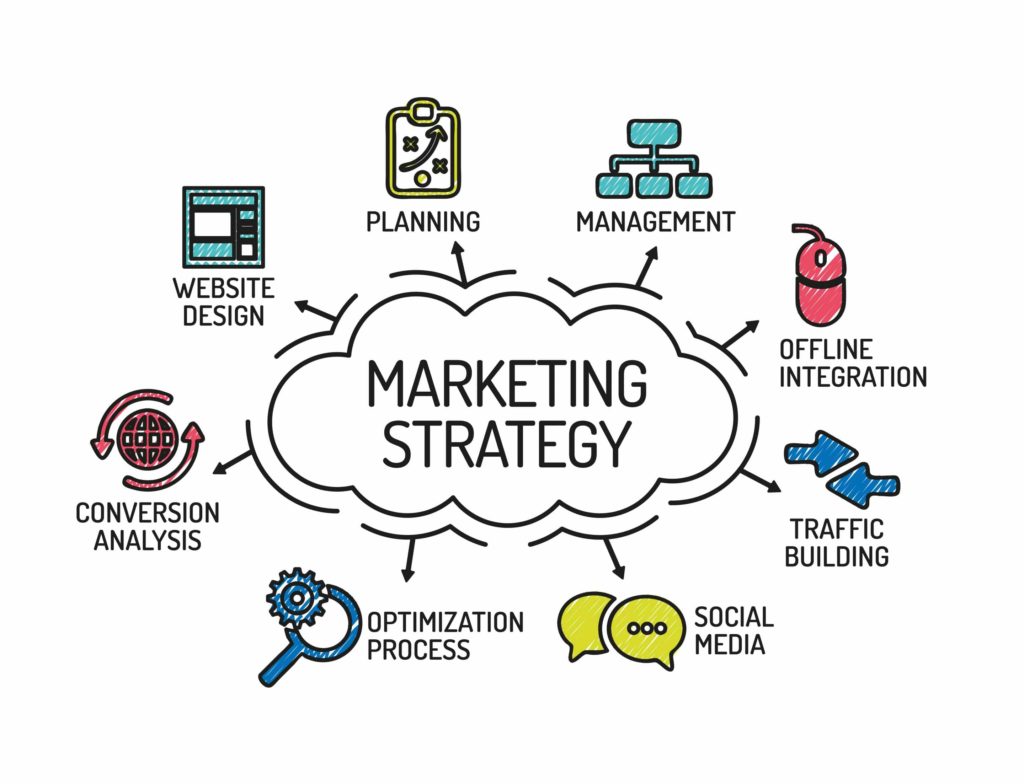
Get FREE Marketing Tips So You Can Grow Your Online Business
Check Out Our Latest Posts
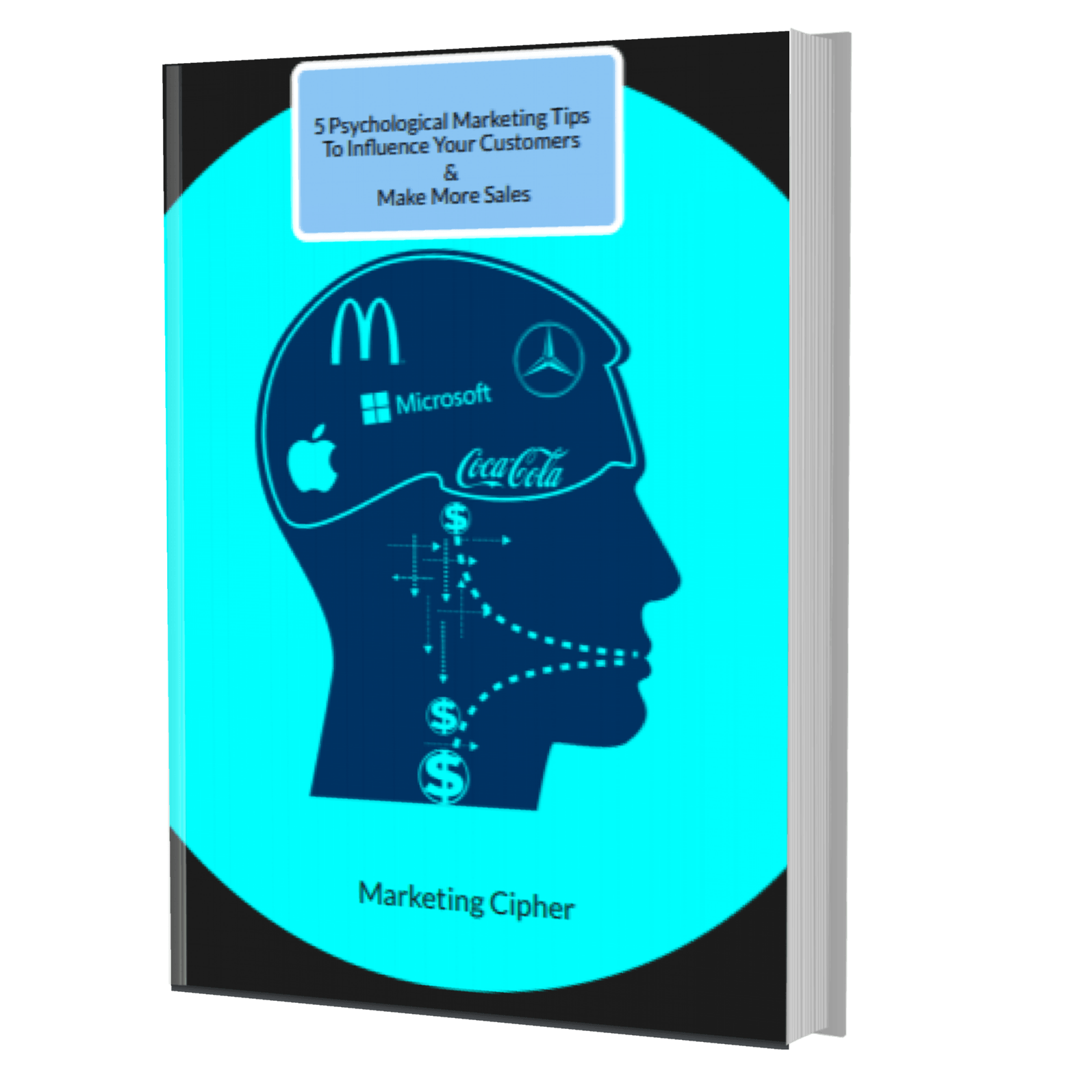
Get Your FREE Gift
"5 Psychological Marketing Tips To Influence Your Customers & Make More Sales"
Download This Free e-book To Learn How To:
Want More Leads, Traffic, & Sales?
Sign Up For Free Tips & Boost Your Results Now!