
Sign Up For Free Tips So You Can:
Email Subject Line Formulas That Work Across Any Niche
A subject line has one job before the email can do anything else: earn the open. Whether you sell software, coaching, handmade products, financial services, or downloadable guides, the strongest email headlines connect a clear promise with an immediate reason to care.
The best email subject line formulas are adaptable frameworks rather than rigid templates. They help you combine curiosity, relevance, urgency, specificity, and emotional appeal without making every campaign sound identical.
A reliable process also protects your brand voice. Instead of chasing sensational wording, you can use proven structures, adjust them to your audience, and measure which messages produce opens, clicks, replies, and sales.
Start With Subscriber Intent
Begin with the reason someone joined your list. A new subscriber may want education, while a repeat customer may be looking for a discount, product update, or faster way to solve a familiar problem. Subject lines perform better when they reflect that existing motivation.
Useful formulas include “How to [achieve a desired result],” “The fastest way to [solve a problem],” and “[Number] mistakes costing you [specific result].” These structures work because they connect the email to an outcome the reader already values.
Intent also changes according to the stage of the customer journey. A prospect may respond to a useful tutorial, while a previous buyer may be more interested in “Your next [product-related result] starts here.” Match the promise to what the subscriber is ready to do.
Build Around Proven Psychological Triggers
Curiosity can increase opens when the missing information feels valuable. Try formulas such as “The overlooked reason [problem] keeps happening” or “What [audience] should know before [important action].” The email itself must deliver on the mystery; vague teasing quickly damages trust.
Specificity is another powerful trigger. “Three ways to reduce checkout friction this week” gives the reader a clearer expectation than “Improve your sales.” Numbers, timeframes, audiences, and concrete outcomes make a message easier to evaluate in a crowded inbox.
Urgency and scarcity can encourage action, but they should describe real conditions. “Prices change Friday” or “Enrollment closes at midnight” is credible when accurate. Manufactured urgency may create short-term opens while weakening long-term engagement and increasing unsubscribes.
Match The Formula To The Campaign
Different campaign goals call for different subject line patterns. An educational newsletter needs a useful insight, a promotional email needs a compelling offer, and a re-engagement message needs a reason to return. The formula should support the email’s primary conversion goal.
| Campaign purpose | Subject line formula | Example |
|---|---|---|
| Educational | How to [result] without [common obstacle] | How to write faster without losing personality |
| Promotional | Get [benefit] with [offer or product] | Get 20% off your first strategy session |
| Curiosity | The overlooked reason [problem] happens | The overlooked reason your ads stop converting |
| Urgency | [Action] before [specific deadline] | Book your audit before Friday |
| Social proof | Why [customer type] chose [solution] | Why growing teams switched to this CRM |
| Re-engagement | Still interested in [desired outcome]? | Still interested in building your email list? |
Keep the emotional angle consistent with the message inside. A curiosity-based subject line should reveal an insight, while a discount-focused headline should make the offer easy to find. Alignment improves both reader satisfaction and downstream conversions.
Make The Promise Specific
Broad benefits are easy to ignore because they sound interchangeable. Replace “Grow your business” with “Turn more abandoned carts into completed orders” or “Find five high-intent keywords in 20 minutes.” Specific language helps readers recognize themselves in the message.
You can add relevance with audience descriptors, behavior, or context. Examples include “For consultants with a full pipeline,” “You viewed these running shoes,” and “A simpler onboarding plan for small teams.” Personalization works best when it reflects useful information rather than inserting a first name mechanically.
Length matters, but there is no universal character limit that guarantees performance across every device. Put the central benefit near the beginning, remove filler, and preview the line on mobile. Preheader text should extend the promise instead of repeating it.
Connect The Subject Line To The Offer
A strong subject line attracts attention, but the email’s offer determines whether that attention becomes action. The headline, opening copy, proof, and call to action should follow one persuasive direction. If the subject promises a shortcut, the body should present a practical shortcut quickly.
This is where testing can reveal more than open rates alone. Compare a benefit-led line with a curiosity-led line, then examine click-through rate, conversion rate, revenue per recipient, and unsubscribe rate. A higher open rate is not automatically a better result if the additional opens produce no meaningful action.
For the next stage of optimization, use this call-to-action testing guide to evaluate the wording that follows the subject line. Small changes in button text can clarify value and reinforce the expectation created in the inbox.
Create A Repeatable Testing System
Test one meaningful variable at a time when your audience or send volume is limited. You might compare a number against a question, a direct benefit against a curiosity hook, or a short deadline against a longer timeframe. Record the result alongside the campaign type and audience segment.
Avoid declaring a winner from a tiny difference or a single send. Seasonal behavior, list quality, offer strength, and send time can influence performance. Look for patterns across several campaigns, and keep winning structures available for future adaptation rather than copying them word for word.
Practical Testing Rules
- Test the subject line against a clear business metric, not opens alone.
- Keep the core offer and audience consistent during a comparison.
- Track spam complaints, unsubscribes, clicks, and purchases.
- Test mobile appearance, punctuation, personalization, and preheader text.
- Build a swipe file of successful formulas with the reason each one worked.
Turn Better Subject Lines Into More Sales
Email subject line formulas that work for any niche are built on audience understanding, clear value, and disciplined testing. The framework may stay the same, but the language should reflect the customer’s problem, awareness level, and next logical step.
Apply one formula to your next campaign, make the promise concrete, and measure what happens after the open. For more practical guidance on copywriting, consumer psychology, offers, and conversion strategy, explore Marketing Cipher and turn stronger inbox messaging into consistent business growth.
Expert Marketing Tips & Tricks
We will share with you the latest tips and tricks from proven marketing experts:
- Dominate your target market
- Write powerful sales copy that converts
- Learn traffic secrets to attract unlimited leads
- Create Irresistible offers
- Grow your email list
Get FREE Marketing Tips So You Can Grow Your Online Business
Check Out Our Latest Posts
Get Your FREE Gift
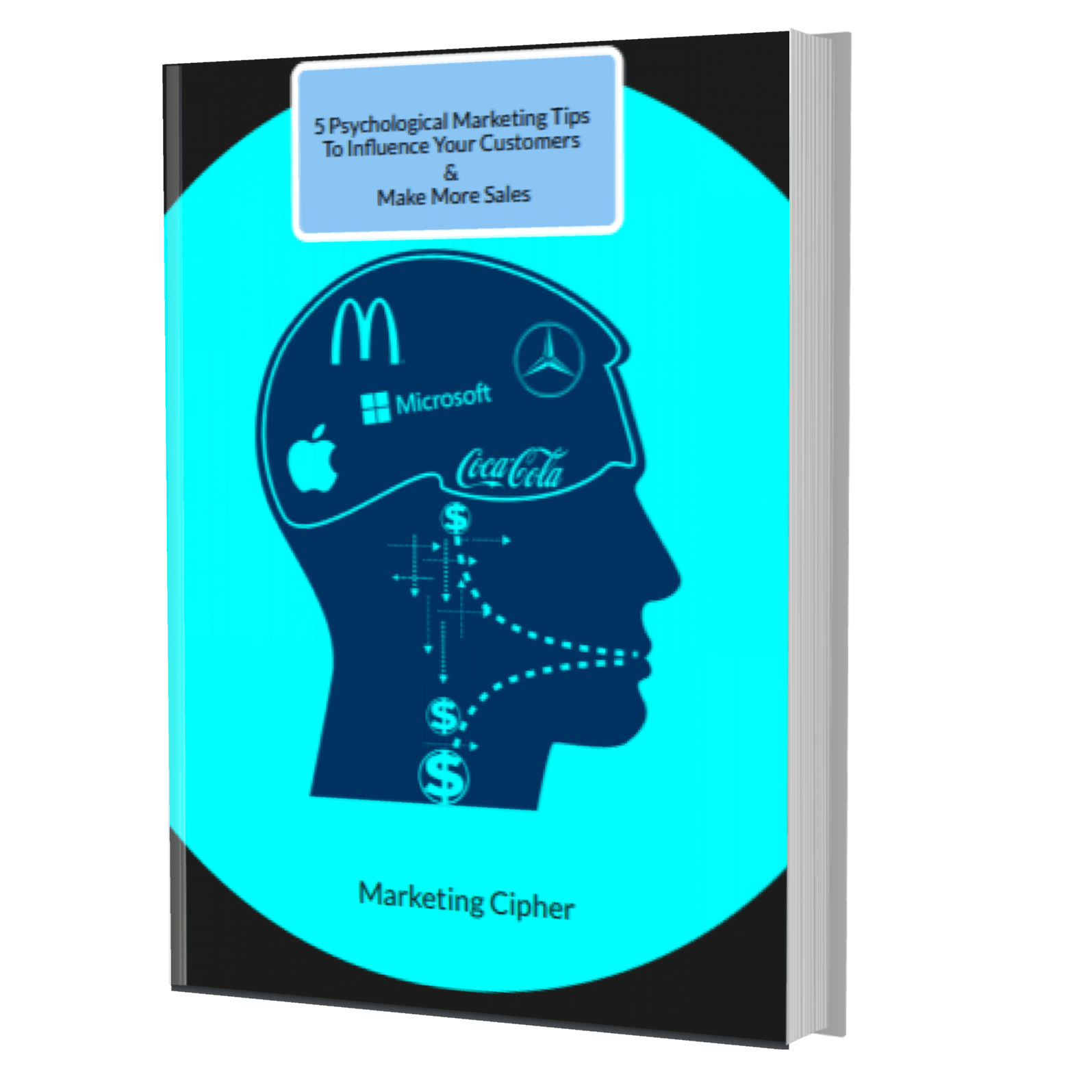
"5 Psychological Marketing Tips To Influence Your Customers & Make More Sales"
Download This Free e-book To Learn How To:
Want More Leads, Traffic, & Sales?
Sign Up For Free Tips & Boost Your Results Now!