
Sign Up For Free Tips So You Can:
How to Split-Test Your Call-to-Action Button Text
A call-to-action button may contain only a few words, yet it can strongly influence whether a visitor continues, subscribes, downloads, or buys. Small changes in wording can alter perceived value, urgency, effort, and risk.
Split-testing CTA button text gives you a practical way to replace assumptions with evidence. Instead of debating whether “Get Started” sounds better than “Create My Account,” you can show each version to comparable visitors and measure which one produces more meaningful action.
The strongest tests usually begin with customer intent. A button should clarify what happens next and make the benefit feel immediate. Good copy connects the visitor’s motivation with a simple, specific action.
Start With A Clear Testing Hypothesis
A useful A/B test begins with a prediction. For example, you might believe that benefit-focused wording will outperform a generic command because it tells visitors what they gain. Your hypothesis could be: “Changing ‘Submit’ to ‘Get My Free Guide’ will increase email sign-ups because the new text highlights the reward.”
Avoid changing several elements at once when your goal is to evaluate button copy. Keep the color, position, font, surrounding text, and audience consistent. If everything changes together, you may see a performance difference without knowing what caused it.
Choose one primary metric before launching the experiment. Depending on the page, this might be click-through rate, completed form submissions, trial activations, purchases, or revenue per visitor.
Match The Words To Visitor Intent
Button text should reflect the stage of awareness and the commitment required. A person reading an educational article may respond to “See How It Works,” while a visitor on a checkout page may expect “Complete My Purchase.” The wording becomes stronger when it matches the action’s real outcome.
Generic phrases such as “Click Here,” “Submit,” and “Continue” hide the value of the next step. More descriptive alternatives reduce uncertainty:
- “Download The Checklist”
- “Start My Free Trial”
- “Compare Plans”
- “Reserve My Spot”
- “Unlock The Discount”
Specificity matters because visitors often scan rather than read. A clear CTA works alongside persuasive page copy, including principles explored in these copywriting patterns, which can help align emotional motivation with the requested action.
Create Variations With A Deliberate Angle
Do not generate random alternatives. Build versions around distinct copy angles so the test can reveal what motivates your audience.
A benefit-led CTA emphasizes the desired result, such as “Grow My Email List.” An action-led version focuses on movement, such as “Build My Campaign.” A low-risk version reduces hesitation with wording like “Try It Free.” Urgency can appear in “Claim Today’s Offer,” but it should be truthful and supported by a genuine deadline or limited availability.
You can also test first-person and second-person language. “Start My Trial” may create a sense of ownership, while “Start Your Trial” speaks directly to the visitor. Neither approach wins universally, so use your audience, offer, and existing conversion data to choose sensible candidates.
Compare CTA Text Options
Use a clear naming system for each variation, and record the exact wording before the test begins. The examples below represent different psychological approaches rather than guaranteed winners.
| Copy angle | Version A | Version B | Best suited to |
|---|---|---|---|
| Generic action | Get Started | Continue | Simple next steps |
| Benefit focused | Download The Guide | Improve My Results | Lead magnets and education |
| Risk reduction | Try It Free | Start My Free Trial | Software and subscriptions |
| Ownership | Create Your Account | Create My Account | Registration flows |
| Urgency | Claim The Offer | Get The Deal Today | Time-sensitive promotions |
Keep the number of variants manageable. Two versions are often enough for a first test, while three or more can divide traffic and extend the time needed to reach a reliable result. If your website receives limited traffic, prioritize one high-impact comparison rather than running many tests at once.
Measure More Than Button Clicks
A higher click-through rate does not automatically mean a better CTA. A compelling button may attract clicks from visitors who do not complete the following form, purchase, or registration. Track the complete conversion path whenever possible.
For a lead-generation page, compare completed opt-ins and qualified leads, not just button clicks. For an ecommerce offer, monitor purchases, average order value, refunds, and revenue per visitor. For affiliate content, assess outbound clicks alongside the quality of resulting visits. A practical example of intent-focused content can be seen in this guide to a trusted online casino, where clarity around the next action supports informed browsing.
Allow the experiment to run through normal traffic cycles. Ending a test after a short burst of visitors can produce a misleading result caused by weekday behavior, a promotion, or an unusual traffic source. Look for a stable pattern across an adequate sample, then validate the winner with another test if the decision carries significant commercial value.
Avoid Common Testing Mistakes
One frequent error is testing a button without considering the surrounding message. If the headline promises one result and the CTA suggests another, changing the button alone may have limited impact. The page’s promise, proof, offer, and action should form a coherent sequence.
Another mistake is using pressure without substance. Words such as “Now” and “Instant” cannot compensate for a weak offer or unclear value. False scarcity may produce short-term clicks while damaging trust and future conversions.
Pay attention to mobile behavior as well. A button that reads naturally on a desktop page may wrap awkwardly on a phone. Keep the label concise, make the action easy to understand, and test the complete experience across screen sizes.
Apply A Repeatable Testing Process
A consistent workflow makes CTA optimization easier to manage and learn from.
- Identify the page’s main conversion goal and current baseline.
- Write a hypothesis tied to visitor intent or a specific hesitation.
- Create two or three concise variations with one distinct angle each.
- Run the test with consistent traffic allocation and tracking.
- Evaluate downstream conversions before adopting a winner.
Record the result, audience, traffic source, test dates, and reasoning behind each variation. Over time, this creates a useful library of customer language. Winning phrases can inform email subject lines, landing-page headlines, ad copy, and offer descriptions.
Turn Small Copy Changes Into Better Campaigns
CTA testing works best as part of a broader conversion strategy. Once you identify the language that earns action, carry that insight into your email sequences, sales pages, and promotional campaigns. A button that succeeds because it emphasizes speed may reveal a larger audience preference for convenience. A winner built around savings may point to an offer that deserves stronger visibility.
Continue testing after a clear winner emerges, but change the next variable thoughtfully. You might compare a benefit against a risk reducer, test a more specific promise, or adjust the surrounding microcopy that explains what happens after the click.
For practical marketing education, conversion ideas, and free resources, visit Marketing Cipher and apply the lessons to your next landing page. Start with one important CTA, establish a measurable baseline, and let visitor behavior guide the wording that earns the next action.
Expert Marketing Tips & Tricks
We will share with you the latest tips and tricks from proven marketing experts:
- Dominate your target market
- Write powerful sales copy that converts
- Learn traffic secrets to attract unlimited leads
- Create Irresistible offers
- Grow your email list
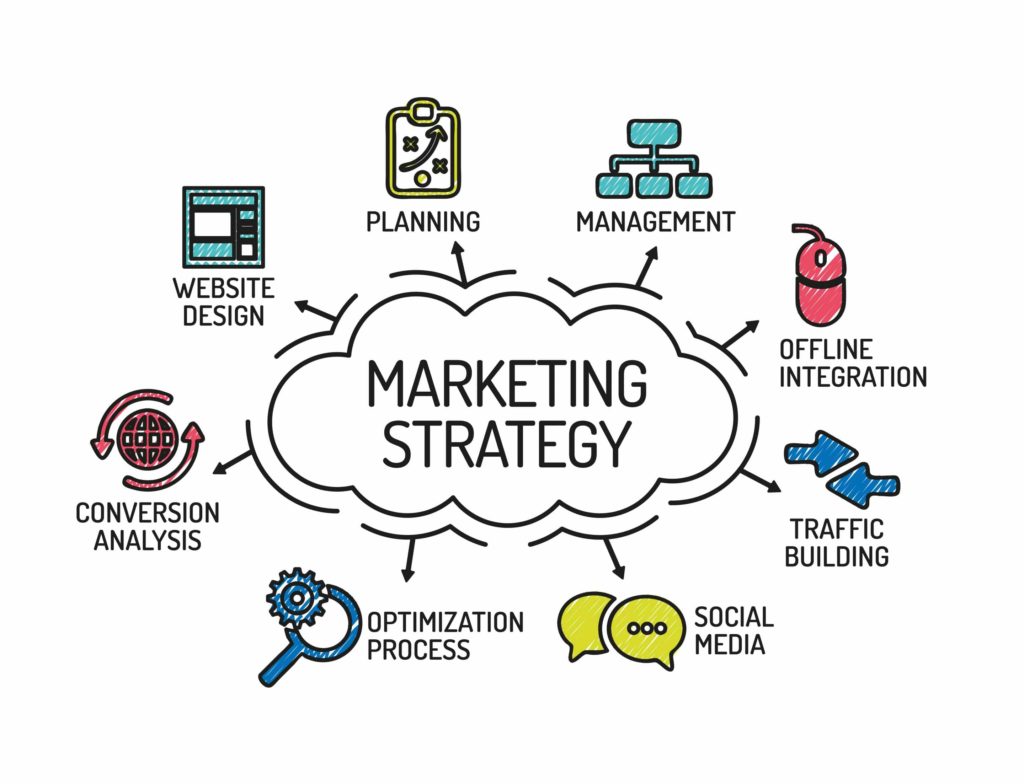
Get FREE Marketing Tips So You Can Grow Your Online Business
Check Out Our Latest Posts
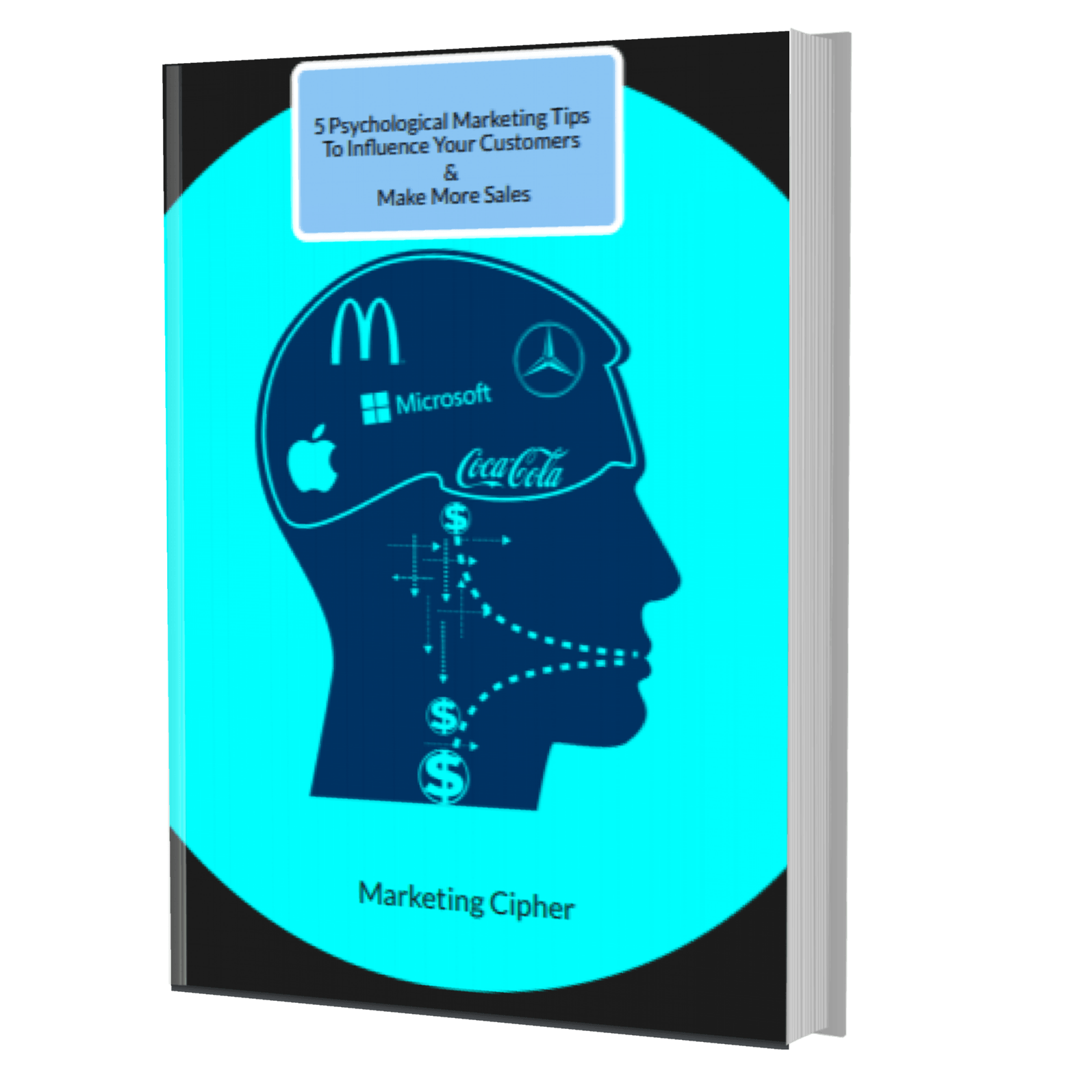
Get Your FREE Gift
"5 Psychological Marketing Tips To Influence Your Customers & Make More Sales"
Download This Free e-book To Learn How To:
Want More Leads, Traffic, & Sales?
Sign Up For Free Tips & Boost Your Results Now!