
Sign Up For Free Tips So You Can:
How to Create a Cart Abandonment Sequence That Recovers Sales
A shopper can add products to a basket with genuine buying intent and still leave before payment. A delivery fee revealed at checkout, a slow mobile page, uncertainty about returns, or a simple distraction can turn a likely sale into lost revenue. A well-timed cart recovery sequence gives that shopper a useful reason to return.
For Australian businesses, the sequence should reflect local buying habits and expectations. Customers may compare prices in AUD, look for GST-inclusive totals, expect familiar options such as Afterpay, and hesitate when delivery costs vary between Sydney, Melbourne, regional towns and remote areas. The right emails address those concerns without sounding desperate.
Find The Reason Behind Abandoned Carts
Start by identifying where shoppers leave. If many sessions end after shipping details appear, delivery cost or timing may be the obstacle. If customers abandon after entering payment information, technical errors, trust concerns or limited payment methods could be involved.
Review checkout recordings, analytics and customer service messages. Segment abandoned baskets by device, product category, customer status and order value. A first-time visitor browsing from Brisbane may need reassurance and product information, while a returning customer in Melbourne may respond better to a direct reminder and a saved cart.
Do not assume every abandoned basket deserves the same promotion. Discounting immediately can reduce margins and train customers to wait. First address uncertainty, convenience and confidence; reserve incentives for shoppers who remain inactive or show strong purchase intent.
Set Timing That Matches Buying Intent
A useful sequence usually begins with a reminder soon after abandonment, while the product is still familiar. A second message can answer objections, and a final email can create a clear reason to act without manufacturing pressure. Timing should change according to product price and consideration period.
| Message | Suggested timing | Main purpose | Useful content |
|---|---|---|---|
| Basket reminder | 30–90 minutes | Restore context | Product image, basket link, simple return path |
| Confidence email | 12–24 hours | Remove hesitation | Reviews, delivery details, guarantees, payment options |
| Final reminder | 36–72 hours | Encourage a decision | Stock information, expiry detail or modest incentive |
Test the schedule against your sales cycle. A $25 skincare item may recover well within a day, while furniture or premium electronics may need more time. Suppress the sequence as soon as the customer purchases, and avoid sending reminders for cancelled, unavailable or age-restricted products.
Write Emails That Give Shoppers A Reason To Return
The subject line should make the value of opening clear: “Your basket is still saved” is direct, while “Still deciding on your weekend essentials?” creates a more personal tone. Keep the body focused on one action, with the product, price, delivery information and checkout button visible without excessive scrolling.
Use copy that reflects the customer’s likely concern. “Need help choosing a size?” works for clothing; “See delivery options before you decide” helps when freight costs may be decisive. Social proof, concise FAQs and a clear returns policy can replace several paragraphs of persuasion.
A little curiosity can improve engagement when it is followed by a real answer. The ideas in open-loop storytelling can help you structure a sequence that gives shoppers a reason to open the next message, rather than repeating the same reminder three times.
Remove Friction From The Australian Checkout
Make the recovery link return customers to a functioning basket with their selections, variants and quantities intact. The landing page should load quickly on mobile, especially for shoppers using cellular connections while commuting in Sydney or Melbourne. Keep checkout fields short and explain shipping charges before the final payment step.
Show prices in Australian dollars and make GST treatment easy to understand. Offer payment methods that local customers recognise, including cards, PayPal and buy-now-pay-later options where appropriate. If Afterpay or another service is available, display it near the product price rather than hiding it at the end of checkout.
Delivery messaging deserves special attention. State estimated dispatch and arrival windows, identify extra charges for regional or remote addresses, and make returns straightforward. During busy periods such as the Boxing Day sales, replace vague promises with realistic cut-off dates so urgency remains credible.
Use Design And Offers With Restraint
The email should look trustworthy before it looks promotional. Use one primary call-to-action, strong contrast and enough white space for thumb-friendly tapping. Guidance on button colour psychology can inform your design tests, but colour should support hierarchy rather than compensate for a weak offer.
An incentive can be useful in the final stage, particularly for high-intent customers with a healthy margin. Consider free shipping, a small fixed discount or a bonus product instead of a large percentage reduction. Set an expiry time that matches your fulfilment capacity and state the conditions plainly.
Personalise around meaningful data: product name, category, recently viewed alternatives and customer status. Avoid exposing sensitive behavioural details or making the message feel intrusive. Frequency caps are essential for customers who abandon several baskets in a short period.
Measure Recovered Revenue Properly
Track more than opens and clicks. The core measures are recovered orders, recovered revenue, conversion rate from abandoned baskets, margin after discounts and unsubscribe rate. Use a holdout group where possible, so you can compare the sequence with shoppers who receive no recovery emails.
Attribution needs care. A customer may receive an email, return through a bookmark and purchase later. Define a consistent attribution window, such as seven days, and separate email-assisted sales from purchases directly attributed to the recovery link. Report results by device, product type, location and customer segment.
Test one meaningful variable at a time: send delay, subject line, product layout, incentive or delivery message. A sequence that performs well in Sydney may behave differently in regional areas if freight costs are a larger concern. Continue improving the journey based on profit and customer experience, rather than clicks alone.
Practical Recommendations For A Stronger Sequence
A reliable cart recovery programme combines relevant timing, honest reassurance and a checkout that works exactly as promised. Before increasing email volume, confirm that your basket links, stock data, discount rules and suppression logic function correctly across mobile and desktop.
Use these priorities when building or reviewing the sequence:
- Send the first reminder while the shopper still remembers the product.
- Address delivery, returns, payment and product questions before offering a discount.
- Display AUD pricing, GST details and realistic Australian delivery windows.
- Remove purchased customers immediately from all abandonment messages.
- Test recovered profit and incremental sales, not open rate alone.
Apply the sequence to one product category first, compare its results with a holdout group, then expand what proves profitable. With clear copy, credible timing and fewer checkout obstacles, abandoned baskets become a measurable recovery channel rather than a permanent source of lost sales. Subscribe to Marketing Cipher’s free marketing advice and use these principles to turn more high-intent visits into completed orders.
Expert Marketing Tips & Tricks
We will share with you the latest tips and tricks from proven marketing experts:
- Dominate your target market
- Write powerful sales copy that converts
- Learn traffic secrets to attract unlimited leads
- Create Irresistible offers
- Grow your email list
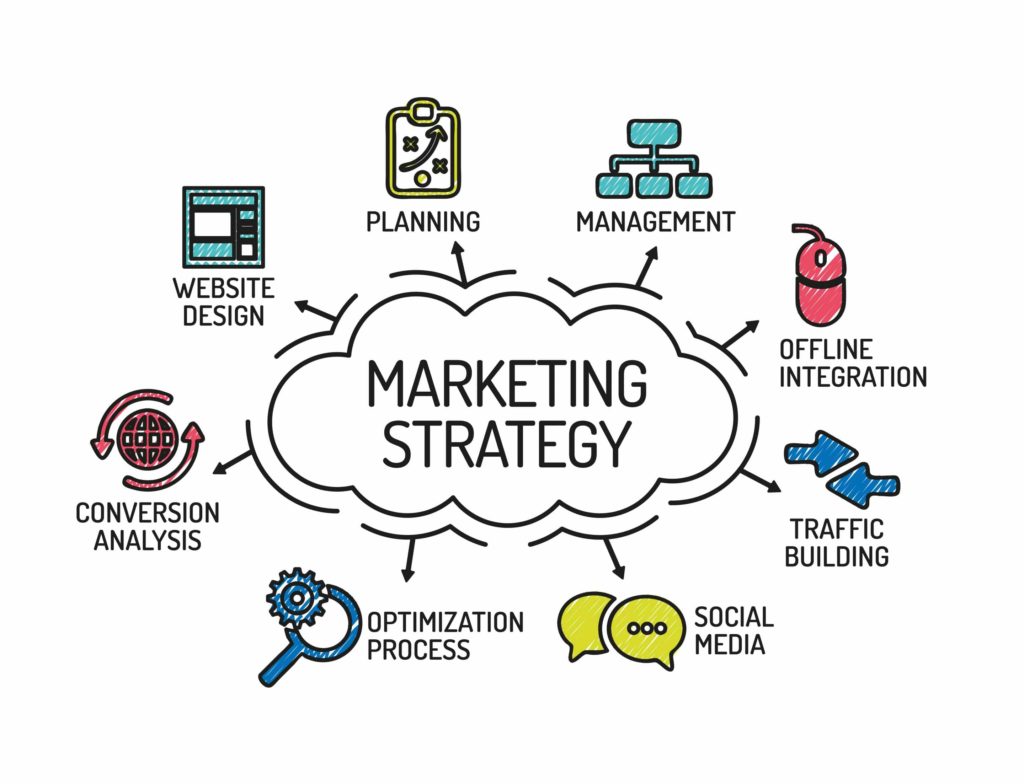
Get FREE Marketing Tips So You Can Grow Your Online Business
Check Out Our Latest Posts
Get Your FREE Gift
"5 Psychological Marketing Tips To Influence Your Customers & Make More Sales"
Download This Free e-book To Learn How To:
Want More Leads, Traffic, & Sales?
Sign Up For Free Tips & Boost Your Results Now!