
Sign Up For Free Tips So You Can:
How quizzes turn curious visitors into qualified buyers
A well-built quiz can do more than entertain website visitors. It can collect useful first-party data, reveal what a prospect wants, and guide that person towards a relevant product or service. For marketers, this creates a more helpful path from casual browsing to a confident purchase decision.
The format works because people enjoy seeing themselves in the result. A skincare quiz can identify a routine, a finance quiz can suggest a budgeting approach, and a product finder can narrow a large catalogue into a few suitable choices. Each answer gives you insight into intent, preferences, budget and timing.
For an Australian business, the experience should feel local and practical. Consider mobile users comparing products on the train in Melbourne, shoppers checking delivery times before a weekend in Perth, or a small business owner in Brisbane looking for a quick answer between client appointments. Relevance and speed matter.
Design around a real buying decision
Start with a decision your audience already wants to make. “Which product suits me?” is stronger than a broad personality quiz because it connects directly to a need. The result should help someone choose a product, service package, content resource or next step without creating unnecessary complexity.
A strong quiz usually has between five and ten questions. Keep each question focused on one idea, and use plain language. Australian audiences tend to respond well to a friendly, direct tone, so phrases such as “Find your best fit” or “Get your recommendation” can sound more natural than exaggerated sales language.
Use traffic sources with clear intent
Quiz traffic may come from paid search, social media, email, organic content or a product page. Match the quiz promise to the source. Someone searching for “best running shoes for wide feet” should land on a specific recommendation quiz, not a generic lifestyle assessment.
Paid traffic needs careful filtering before it reaches the quiz. Businesses can reduce irrelevant clicks by applying negative keyword tactics to campaigns. This is especially useful when Australian search terms overlap with unrelated products, services or information-seeking queries.
Ask questions that improve the recommendation
Every question should serve a purpose. Ask about the customer’s goal, current situation, preferred features, price range and likely obstacles. If an answer will not affect the result, remove it. Too many low-value questions make the quiz feel like a form rather than a useful tool.
Use answer choices that reflect real customer language. An Australian outdoor retailer might include options such as “weekend hikes,” “daily commute” and “serious trail use.” A meal delivery brand could account for shared households, busy workdays and dietary preferences rather than relying on vague labels.
Connect answers to useful outcomes
The result page should feel personalised without making claims that the data cannot support. Explain why the recommendation fits, identify its key benefits, and include a clear action such as viewing the product, booking a consultation or downloading a relevant guide.
You can also use weighted scoring. For example, answers about dry skin, sensitivity and fragrance preferences may increase the score for a particular skincare range. Several products can be recommended when the customer is still comparing options, with a primary choice supported by two alternatives.
Personalised copy helps at this point. Words that reflect certainty, ease and relevance can make the recommendation more persuasive, and this guide to persuasive copywriting words offers useful direction when refining result pages and calls to action.
Ask for contact details at the right moment
The best time to request an email address depends on the value of the result. If the recommendation is genuinely useful, show a short preview first and offer the full result, comparison chart or tailored guide in exchange for contact details. This gives visitors a clear reason to subscribe.
Avoid hiding the entire experience behind an early form unless the incentive is strong. A visitor who has answered six questions may abandon the quiz if asked for unnecessary details. Usually, an email address is enough to begin; collect more information later when it supports a relevant follow-up.
Your lead magnet should extend the quiz experience rather than repeat it. A practical checklist, product comparison or personalised plan can work well, and these ideas for a converting lead magnet can help shape the offer.
Build follow-up around the result
Segment subscribers according to their quiz outcome, not just the fact that they completed the quiz. Someone seeking a beginner product should receive educational guidance, while a purchase-ready visitor may respond better to product details, testimonials and delivery information.
Write a short sequence that reflects the recommendation. The first email can deliver the result, the second can explain common mistakes, and the third can address objections such as price, setup or returns. Include Australian details where relevant, including AUD pricing, GST treatment, local delivery areas and customer support hours.
For regulated or sensitive categories, make the boundaries clear. A quiz can recommend a suitable product category, but it should not pretend to replace professional medical, financial or legal advice. Trust grows when the business explains what the result can and cannot determine.
Track performance beyond completion rates
Quiz completion rate is useful, but it is only an early indicator. Track the percentage of visitors who begin, finish, subscribe, click a recommendation and purchase. Compare outcomes by traffic source, device, audience segment and result type.
Look for drop-off points. If many users leave when asked about budget, the wording may feel intrusive. If one result receives a high number of clicks but few sales, the recommendation, product page or offer may need closer attention.
Test one meaningful change at a time. You might compare a “Get my recommendation” button with “See my best match”, or test a shorter form against a longer one. Record the effect on qualified leads and revenue, rather than choosing a winner based on completions alone.
Protect trust while personalising the journey
Explain why you are collecting information and how it will be used. Use clear consent language for email marketing, provide an easy unsubscribe option, and keep data collection proportionate to the recommendation. Australian businesses should take privacy obligations seriously, particularly when collecting preferences or information that may be sensitive.
Avoid fake urgency and recommendations designed only to push the highest-priced item. If the quiz suggests a lower-cost option, present it honestly. For specialist markets, even entertainment-related content such as instant withdrawal casino games should be presented with responsible messaging and clear terms rather than unrealistic promises.
A quiz becomes a valuable marketing asset when it respects the customer’s time, gives a credible result and continues the conversation with useful information. Map the decision, write concise questions, connect outcomes to relevant products, and measure the full journey from first click to sale.
Build your first quiz around one audience and one clear decision, then use the responses to improve your offer, email sequence and product pages. Add the quiz to your highest-intent traffic source and give visitors a practical reason to complete it today.
Expert Marketing Tips & Tricks
We will share with you the latest tips and tricks from proven marketing experts:
- Dominate your target market
- Write powerful sales copy that converts
- Learn traffic secrets to attract unlimited leads
- Create Irresistible offers
- Grow your email list
Get FREE Marketing Tips So You Can Grow Your Online Business
Check Out Our Latest Posts
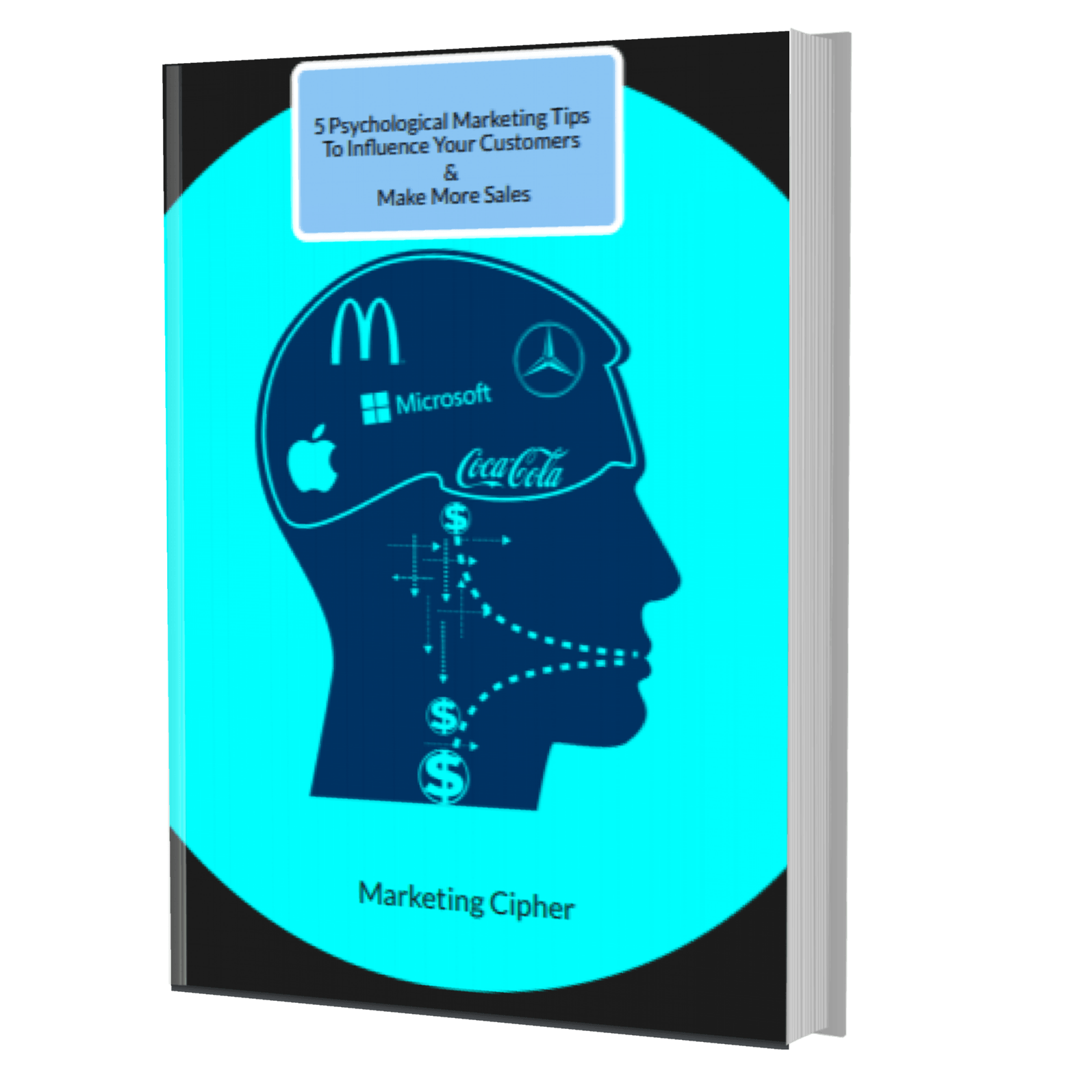
Get Your FREE Gift
"5 Psychological Marketing Tips To Influence Your Customers & Make More Sales"
Download This Free e-book To Learn How To:
Want More Leads, Traffic, & Sales?
Sign Up For Free Tips & Boost Your Results Now!