
Sign Up For Free Tips So You Can:
The art of writing product descriptions that evoke emotion
A product description does more than explain what an item is. It gives shoppers a reason to imagine owning it, using it, wearing it, or sharing it. The strongest copy turns features into personal meaning, helping readers feel the outcome before they make a purchase.
Emotion is especially important when products seem similar at first glance. Specifications may inform a decision, but desire, confidence, relief, excitement, and belonging often move someone from consideration to action. Effective ecommerce copy connects practical value with the life the customer wants to experience.
Start with the feeling behind the purchase
Before writing a single sentence, identify the emotional reward your product offers. A premium notebook may provide a sense of control to someone organizing a demanding week. A skincare product may represent confidence before an important event. A travel bag may suggest freedom, readiness, and adventure.
This emotional benefit should guide the description rather than appear as an afterthought. Ask what the buyer hopes will change after purchasing. The answer might be comfort, recognition, convenience, security, pleasure, or self-expression. Once you understand that desired feeling, every detail can support it.
Specificity makes emotional copy believable. Instead of saying a blanket creates “ultimate relaxation,” describe wrapping up after a long day in soft, breathable fabric that stays comfortable through the evening. Sensory language gives the reader a vivid mental experience without making claims that sound exaggerated.
Translate features into meaningful benefits
Features describe the product, while benefits explain why those features matter. A description that lists materials, dimensions, and functions may be accurate, yet still leave the reader wondering how the item fits into daily life.
Use a simple feature-to-benefit connection. If a water bottle has double-wall insulation, explain that a cold drink stays refreshing during a long commute or afternoon hike. If headphones have noise cancellation, show how they create a focused space in a busy office or peaceful listening during a flight.
Strong copy also respects the customer’s priorities. Someone buying a desk chair may care less about its “high-density foam” than about finishing work without constant discomfort. Someone purchasing a meal kit may value less planning, fewer grocery trips, and a calmer evening. Benefits become persuasive when they reflect real moments.
Use language that makes the product feel present
Vivid product descriptions invite the reader to picture an experience. Use active verbs, concrete details, and sensory cues that create movement. “Slide your phone into the secure inner pocket” feels more immediate than “features interior storage.”
Avoid filling every line with inflated adjectives such as amazing, revolutionary, or perfect. These words make promises without evidence. Replace them with details that allow the reader to reach the emotional conclusion independently. Texture, sound, temperature, pace, and visual imagery can all make copy more memorable.
A useful rhythm combines emotional language with practical reassurance. First show the appealing experience, then support it with information about construction, sizing, care, delivery, or compatibility. This balance helps the product feel desirable and trustworthy at the same time.
| Weak approach | Emotionally persuasive approach |
|---|---|
| “A durable backpack with multiple pockets” | “Keep your essentials easy to reach, from your morning train to the final stop of the day.” |
| “Made with soft cotton” | “Sink into breathable cotton that feels gentle against your skin.” |
| “A compact coffee maker” | “Enjoy a rich first cup without giving up valuable counter space.” |
| “Water-resistant running jacket” | “Stay focused on your pace when light rain begins to fall.” |
Write for one recognizable customer
Generic copy often loses emotional power because it tries to speak to everyone. A clear customer profile gives the description a more natural voice. Consider the buyer’s routine, frustrations, aspirations, and vocabulary before deciding what to emphasize.
A parent may respond to a lunch container that makes rushed mornings simpler. A professional may want a polished accessory that moves easily from meetings to dinner. A fitness enthusiast may care about dependable performance when motivation is low. The product has one identity, but its meaning depends on the person holding it.
Customer reviews, support messages, search queries, and sales conversations reveal the language people already use. Borrowing those authentic phrases can make your copy feel familiar rather than manufactured. It also helps uncover emotional triggers that internal marketing discussions may overlook.
Build trust while creating desire
Emotional persuasion works best when it is grounded in proof. Include measurable details, honest limitations, clear usage information, and evidence from real customers. A shopper can feel excited about a product while still needing reassurance that it will perform as promised.
Testimonials are especially powerful when they describe a before-and-after experience. “I love this bag” is pleasant but vague. “I used to carry three separate cases; now everything fits in one compartment” gives the reader a concrete reason to believe the product delivers value.
Your product page should also make the next step easy. Clear calls to action, visible shipping details, useful FAQs, and an uncomplicated return policy reduce anxiety. The same principle extends beyond the page: businesses can use email marketing insights to keep emotional benefits alive across follow-up messages and promotions.
Shape a description that leads to action
A practical structure can keep emotional copy focused. Open with the most compelling outcome, develop that promise through sensory and functional details, add proof, and finish with a clear reason to act now. The order may change by product, but each part should move the reader closer to ownership.
Edit for clarity and momentum. Remove repeated claims, vague filler, and technical details that do not support a buying decision. Read the copy aloud to catch stiff wording and notice whether the emotional tone feels natural for the audience.
Checks for stronger product copy
- Name the buyer’s desired emotional outcome early.
- Turn each major feature into a specific everyday benefit.
- Use sensory details that help readers imagine ownership.
- Support persuasive claims with proof, measurements, or reviews.
- End with a direct, low-friction call to action.
Emotional product writing is a discipline of relevance, not exaggeration. When the description reflects the customer’s real desires and gives those desires credible support, the product becomes easier to understand and harder to forget. Explore more practical guidance on marketing and conversion to refine your copy, strengthen your offers, and turn more browsing moments into confident purchases.

Expert Marketing Tips & Tricks
We will share with you the latest tips and tricks from proven marketing experts:
- Dominate your target market
- Write powerful sales copy that converts
- Learn traffic secrets to attract unlimited leads
- Create Irresistible offers
- Grow your email list
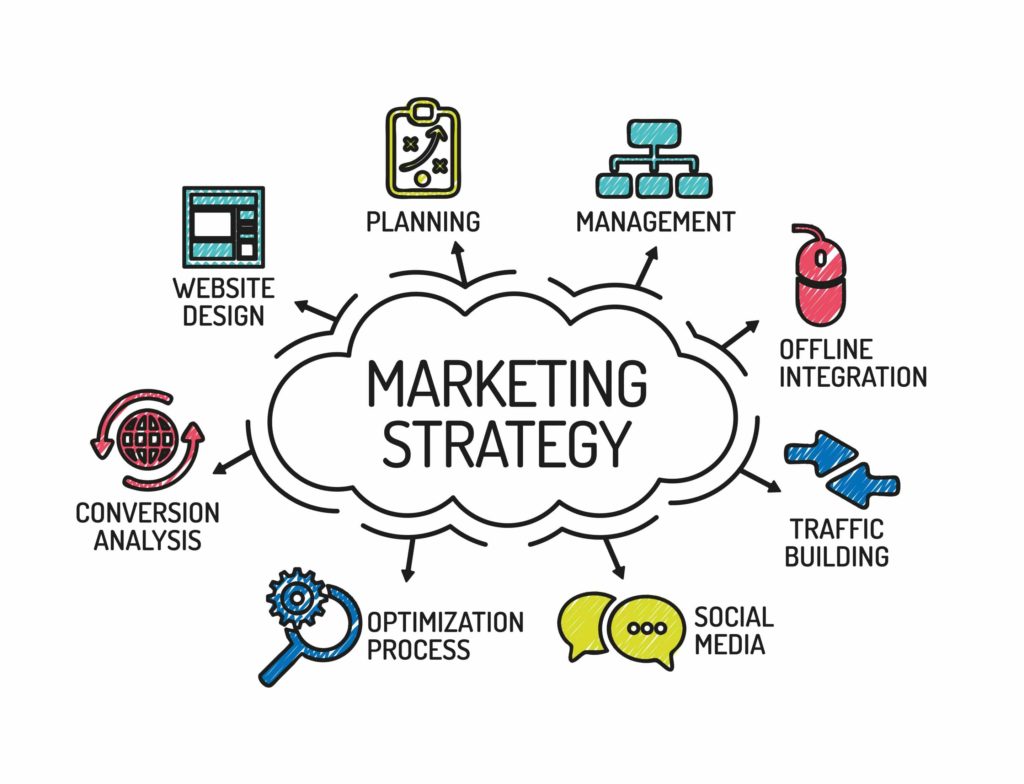
Get FREE Marketing Tips So You Can Grow Your Online Business
Check Out Our Latest Posts
Get Your FREE Gift
"5 Psychological Marketing Tips To Influence Your Customers & Make More Sales"
Download This Free e-book To Learn How To:
Want More Leads, Traffic, & Sales?
Sign Up For Free Tips & Boost Your Results Now!