
Sign Up For Free Tips So You Can:
Why email marketing still outperforms social media for conversions
Email marketing still outperforms social media for conversions because it gives businesses direct access to an audience that has already shown interest. A subscriber has opted into a relationship, while a social follower may never see a brand’s next post. That difference affects reach, trust, timing, and the likelihood of making a purchase.
Social platforms are valuable for discovery, conversation, and brand awareness. They can generate attention quickly, especially when a post earns shares or a creator recommends an offer. Yet attention is rented. Algorithm changes, crowded feeds, and brief content lifecycles can make social traffic unpredictable.
Email provides a more stable environment for persuasive communication. Marketers can educate prospects, address objections, introduce an offer, and follow up across several messages. With thoughtful segmentation and conversion copy, a list becomes a dependable sales asset rather than a stream of fleeting impressions.
Permission creates a stronger buying context
People join an email list because they want something: useful advice, a discount, a free resource, or updates from a company they already recognize. This permission creates a warmer starting point than a social impression delivered between unrelated posts. The subscriber has taken a small action, which often signals higher intent.
That action also supports better consumer psychology. A welcome email can reinforce the reason someone subscribed, establish expectations, and make the brand feel familiar. Over time, consistent value reduces uncertainty and gives readers a reason to open future messages.
Email also allows a business to speak to a person’s current stage in the buying journey. A new subscriber may need education, while a returning customer may respond to a product bundle or loyalty offer. Social media generally presents the same public message to a mixed audience.
The inbox supports deliberate persuasion
A social feed rewards speed. Users scroll, react, and move on within seconds. Email gives a message more room to develop an argument. A strong subject line earns attention, the opening establishes relevance, and the body guides the reader toward one clear action.
This structure is especially useful for copywriting. Marketers can test benefits, proof, urgency, and calls to action without compressing every idea into a short caption. Businesses looking to strengthen their subject lines and promotional hooks can study this viral headline lesson for principles that also apply to email campaigns.
A sequence can create momentum in a way that isolated social posts rarely do. One message can introduce a problem, the next can explain a solution, and later emails can answer concerns or present an offer. Repetition becomes reinforcement when each message adds a new reason to act.
Ownership improves reach and measurement
An email list is a business-owned marketing channel. The company controls the audience data, sending schedule, segmentation, and message format. Social platforms control distribution, visibility, and much of the information available about individual users.
This distinction matters when planning lead generation. A social post can attract new prospects, but an opt-in form turns that interest into a contact the business can nurture. Email analytics also connect more directly to commercial outcomes through clicks, replies, purchases, and revenue per subscriber.
Ownership does not mean every message reaches every inbox. Deliverability, list quality, and engagement still matter. However, a permission-based list gives a business far more control than hoping an algorithm shows an organic post to the right people.
Email and social media serve different jobs
Social media excels at creating public proof and expanding awareness. Comments, shares, creator partnerships, and short-form videos can introduce a company to people who have never encountered it. Email excels after attention has been earned, when prospects need reasons to trust, compare, and buy.
| Conversion factor | Email marketing | Social media |
|---|---|---|
| Audience access | Direct contact with opted-in subscribers | Platform-controlled distribution |
| Message lifespan | Available in the inbox until read or deleted | Often buried quickly in the feed |
| Personalization | Segments, behavior, purchase history | Usually broader public targeting |
| Follow-up | Automated sequences and timed reminders | Requires fresh posts or paid promotion |
| Conversion tracking | Clicks, sales, replies, and subscriber value | Reach and engagement may dominate |
| Best role | Nurturing and selling | Discovery and community building |
The strongest strategy connects both channels. Social content can promote a lead magnet, webinar, or free ebook, while email can turn that new contact into a qualified lead. This creates a path from public attention to private, personalized conversion work.
Relevance makes automation feel personal
Automation does not have to sound mechanical. A well-built sequence uses a subscriber’s source, behavior, and needs to deliver the right message at the right time. Someone who downloads a guide about offers should receive related education before receiving a product pitch.
Segmentation can be simple at first. Divide subscribers by entry point, customer status, content interest, or engagement level. Then adjust the subject line, examples, and call to action so each message feels connected to the reader’s situation.
For practical starting points, these welcome email templates can help shape a sequence that introduces the brand, delivers an early win, and prepares subscribers for future promotions. The goal is useful continuity, not a burst of unrelated sales messages.
Build campaigns around conversion intent
Effective email campaigns begin with one defined outcome. The goal may be a product purchase, a consultation booking, a reply, or a visit to a sales page. When the objective is clear, the copy can remove distractions and make the next step obvious.
A reliable campaign often includes an educational message, a proof-based message, an objection-handling message, and a direct offer. Subject lines should promise a specific benefit without overstating the content. The body should connect the reader’s problem to the solution and support the claim with evidence.
- Use a clear opt-in promise so subscribers know what they will receive.
- Segment new leads, active customers, and disengaged contacts.
- Write one primary call to action for each email.
- Test subject lines, offers, timing, and landing-page alignment.
- Remove inactive addresses regularly to protect deliverability.
The most persuasive campaigns treat subscribers as people making decisions, not as numbers in a database. Helpful content earns attention, relevant offers create momentum, and timely follow-up captures intent while it is still strong.
Start by choosing one audience segment and one offer. Create a short welcome sequence, connect it to a focused landing page, and measure clicks, conversions, replies, and revenue. Use social media to attract the next group of prospects, then let email do the deeper work of building trust and turning interest into action.
Expert Marketing Tips & Tricks
We will share with you the latest tips and tricks from proven marketing experts:
- Dominate your target market
- Write powerful sales copy that converts
- Learn traffic secrets to attract unlimited leads
- Create Irresistible offers
- Grow your email list
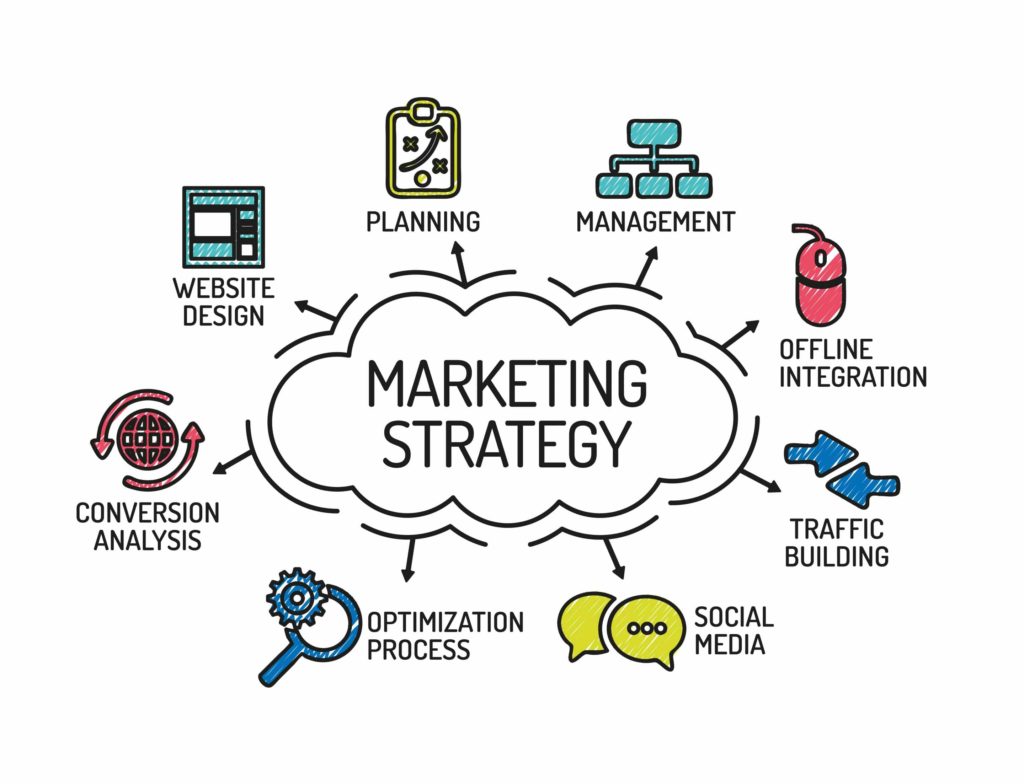
Get FREE Marketing Tips So You Can Grow Your Online Business
Check Out Our Latest Posts
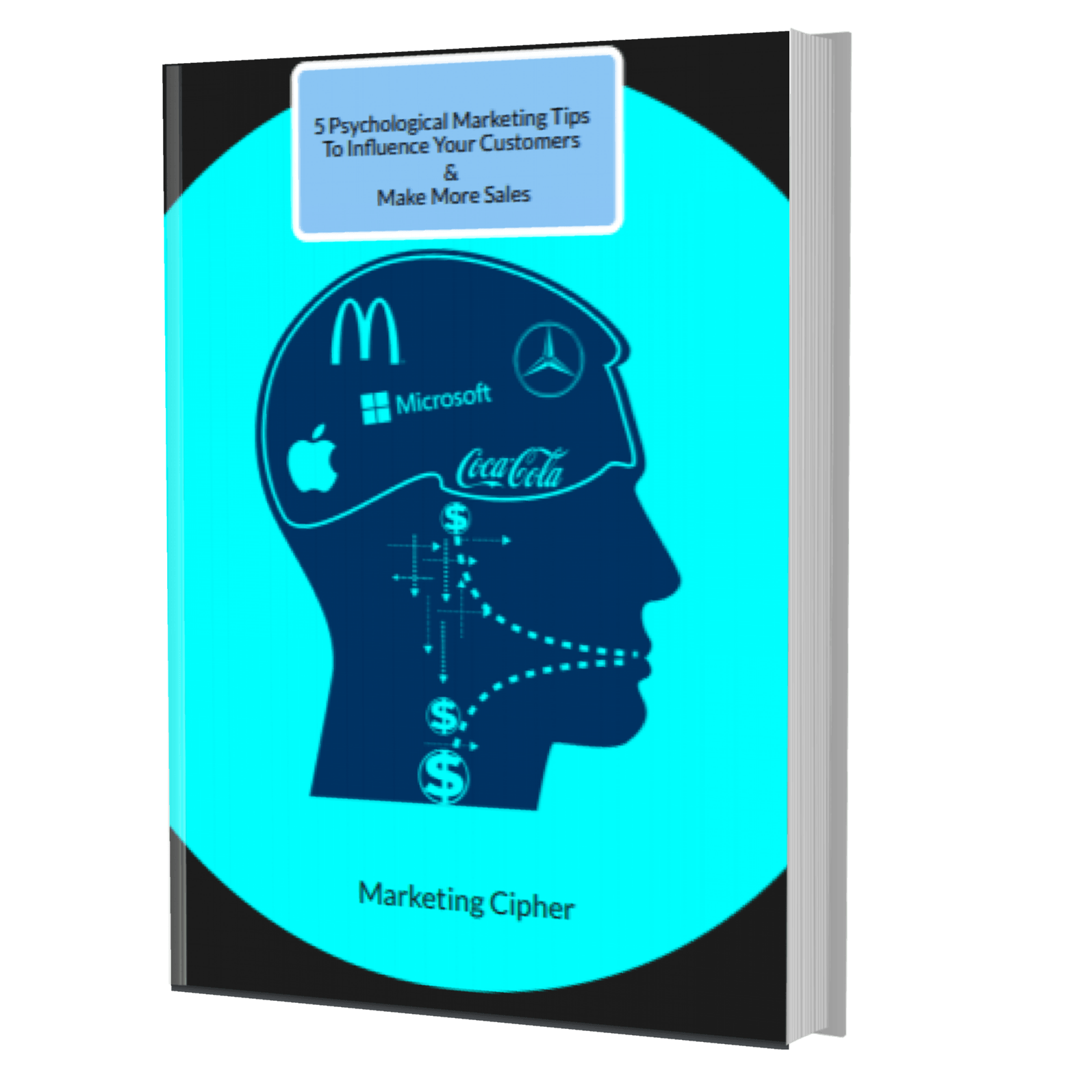
Get Your FREE Gift
"5 Psychological Marketing Tips To Influence Your Customers & Make More Sales"
Download This Free e-book To Learn How To:
Want More Leads, Traffic, & Sales?
Sign Up For Free Tips & Boost Your Results Now!