
Sign Up For Free Tips So You Can:
Features And Benefits: Writing Copy That Converts
Marketing copy becomes persuasive when it connects what a product is with what it does for a customer. A feature describes an attribute, specification, or function. A benefit explains the useful outcome that attribute creates in the buyer’s life.
This distinction matters across landing pages, email campaigns, product descriptions, advertisements, and sales pages. Businesses that list features without translating them into customer value often sound informative but fail to create desire. Strong copy makes the reader understand why the offer deserves attention, trust, and action.
For practical guidance on copywriting, consumer psychology, and conversion strategy, Marketing Cipher offers free marketing education designed for businesses that want more leads and sales.
Why Features Often Fall Flat
Features are facts about an offer. A software platform may include automated reporting, a backpack may use waterproof fabric, and an email service may provide audience segmentation. These details help define the product, but they do not automatically explain why someone should buy it.
The problem is that buyers rarely purchase specifications for their own sake. They purchase saved time, reduced risk, improved performance, greater comfort, status, convenience, or peace of mind. A feature-focused message makes the audience do the translation themselves, and many readers will leave before making that mental connection.
Features still have an important role. They establish accuracy, support comparisons, and give informed prospects the details they need. However, features work best when they appear alongside a clear explanation of their practical value.
What Benefits Mean To Buyers
A benefit is the result a customer receives from a feature. “Noise-canceling microphones” is a feature; “your team hears every word clearly during remote meetings” is a benefit. The first statement describes the product, while the second shows how the product improves an experience.
Benefits can be functional or emotional. Functional benefits include faster work, lower costs, easier setup, and stronger performance. Emotional benefits include confidence, relief, enjoyment, control, and the satisfaction of making a smart decision. Effective marketing copy often combines both because people evaluate offers logically but frequently act on emotion.
A useful test is to ask, “So what?” after every feature. Continue asking until the answer reaches a meaningful customer outcome. This simple exercise turns technical information into persuasive sales messaging.
Turn Specifications Into Customer Value
The strongest feature-benefit statements preserve the concrete detail while immediately explaining its significance. This approach gives readers evidence and meaning in the same sentence.
| Feature | Immediate benefit | Stronger customer outcome |
|---|---|---|
| Automated invoice reminders | Fewer manual follow-ups | Get paid sooner without chasing clients |
| Lightweight running shoes | Less weight on each stride | Run comfortably for longer distances |
| 24-hour customer support | Help is available when problems arise | Resolve urgent issues before they disrupt business |
| Reusable insulated bottle | Drinks stay cold for hours | Enjoy refreshing water throughout the day |
| One-click checkout | Fewer steps to complete payment | Buy quickly without abandoning the cart |
Specificity makes benefits more believable. “Improve your business” is vague, while “cut weekly reporting time by two hours” gives the reader a concrete picture. Whenever possible, connect the outcome to time, money, effort, comfort, risk, or measurable performance.
The wording should also match the customer’s awareness level. A first-time visitor may need a broad explanation of the problem and desired result. A comparison shopper may want technical specifications, proof, guarantees, and pricing details. The same product can require different feature-benefit angles at different stages of the buying journey.
Match Copy To Customer Motivation
Different audiences can value the same feature for entirely different reasons. A fast laptop may help a freelancer finish projects sooner, help a student manage demanding coursework, or help a gamer enjoy smoother performance. The specification remains constant, but the persuasive benefit changes.
Research customer language before writing. Review testimonials, support messages, surveys, product reviews, and sales conversations to discover how people describe their frustrations and desired outcomes. Their wording often reveals stronger benefit statements than internal marketing discussions do.
A benefit should also address a relevant problem rather than simply sound positive. “Advanced analytics” means little to a small business owner until it becomes “see which campaigns produce customers, not just clicks.” Clear copy links the product’s capability to a concern the audience already recognizes.
Build Benefits Into Offers And Calls To Action
Benefits should appear throughout the customer journey, not only in a product description. An email subject line can promise a faster result, a landing page can explain the transformation, and a call to action can reinforce what happens after the click. Consistent benefit-led messaging helps the offer feel coherent.
Urgency can strengthen a benefit when it is truthful and relevant. Limited availability, a deadline, or a time-sensitive advantage can give people a reason to act now rather than postpone the decision. Marketing Cipher’s discussion of the science of urgency explains why timing can influence purchasing behavior when used responsibly.
A call to action is usually stronger when it describes the next benefit instead of using a generic command. “Start saving time” can be more compelling than “Submit,” while “See your free campaign report” creates a clearer expectation than “Click here.”
Prove The Promise With Evidence
Benefits create desire, but proof reduces doubt. Support important claims with demonstrations, customer results, testimonials, reviews, guarantees, screenshots, certifications, or transparent explanations of how the product works.
Avoid promising outcomes that the offer cannot consistently deliver. Overstated benefits may attract initial clicks but can damage trust, increase refunds, and weaken long-term customer relationships. Credible copy makes the desired result attractive while presenting conditions and limitations honestly.
A Practical Copy Review
- Highlight every feature in the draft and write its customer outcome beside it.
- Replace vague claims with specific effects involving time, cost, effort, risk, or performance.
- Connect each major benefit to a documented proof point.
- Adjust the wording for the audience’s priorities and stage of awareness.
- Read the copy aloud and remove technical language that does not help the buyer decide.
When revising marketing copy, keep the feature as evidence and place the benefit close to it. For example, “Our dashboard updates every five minutes, so you can spot campaign changes before they waste more budget” gives the audience both the mechanism and the reason to care.
Use this feature-benefit framework across your website, emails, advertisements, and offers. Translate every important specification into a customer-centered outcome, support the promise with proof, and make the next step clearly valuable. That shift can turn plain product information into copy that earns attention and drives action.
Expert Marketing Tips & Tricks
We will share with you the latest tips and tricks from proven marketing experts:
- Dominate your target market
- Write powerful sales copy that converts
- Learn traffic secrets to attract unlimited leads
- Create Irresistible offers
- Grow your email list
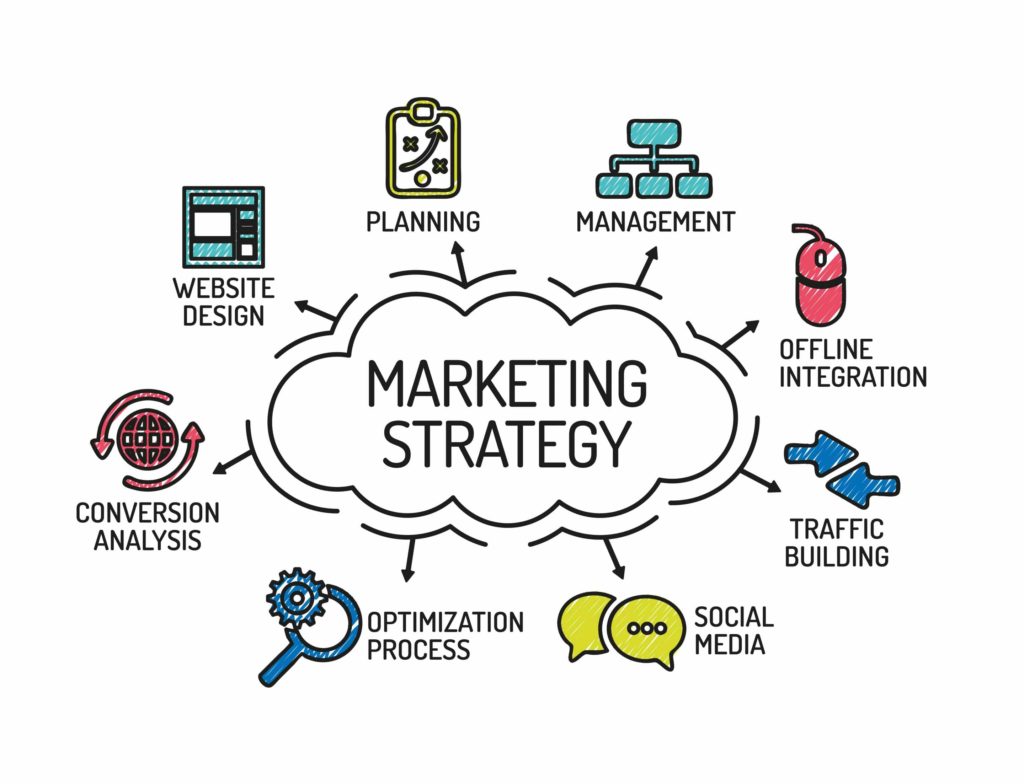
Get FREE Marketing Tips So You Can Grow Your Online Business
Check Out Our Latest Posts
Get Your FREE Gift
"5 Psychological Marketing Tips To Influence Your Customers & Make More Sales"
Download This Free e-book To Learn How To:
Want More Leads, Traffic, & Sales?
Sign Up For Free Tips & Boost Your Results Now!