
Sign Up For Free Tips So You Can:
The Science Behind Urgency and Why It Drives Sales
Urgency is one of the most powerful forces in marketing because it changes how people evaluate an offer. Instead of treating a purchase as an open-ended possibility, a prospect begins to see it as a decision with a time limit. That shift can reduce procrastination, focus attention, and motivate action.
The effect is rooted in behavioral psychology, attention economics, and the way people respond to potential loss. When a deadline feels relevant and credible, it gives buyers a reason to act now rather than postpone the decision indefinitely.
Used carelessly, urgency can damage trust. Used with transparency, it can clarify an offer, help customers prioritize their needs, and create a smoother path from interest to conversion.
Why Time Pressure Changes Behavior
Most buying decisions compete with distractions, unfinished tasks, and other spending priorities. Without a clear reason to act, even an interested prospect can delay. Delay often becomes abandonment as the original motivation fades.
A deadline creates a mental boundary. It encourages people to compare the cost of acting now with the possible cost of waiting. This is especially effective when the offer solves an immediate problem, provides a meaningful benefit, or has a genuine expiration point.
Urgency also concentrates attention. A limited enrollment period, a scheduled price increase, or an expiring bonus gives the customer a specific detail to remember. The message becomes easier to process than a vague promise that an offer is “available anytime.”
The Psychology Behind A Deadline
Loss aversion helps explain why urgency drives sales. People often feel the potential loss of an opportunity more strongly than the pleasure of gaining an equivalent benefit. The possibility of missing a discount, bonus, or place in a program can therefore make the offer feel more important.
The scarcity effect adds another layer. When availability appears limited, people may assign greater value to the product because access seems less certain. This response is strongest when the scarcity is believable and connected to a real constraint, such as inventory, staff capacity, or a live event schedule.
A deadline also reduces decision fatigue. Instead of repeatedly revisiting the same choice, the buyer receives a clear point at which the decision must be made. That clarity can move someone from passive interest to committed action.
Urgency Versus Scarcity In Offers
Urgency concerns time: the price, bonus, enrollment, or opportunity ends at a specific moment. Scarcity concerns quantity or access: only a set number of units, seats, consultations, or memberships are available. The two can work together, but they should never be invented simply to pressure people.
For a practical guide to responsible messaging, review ethical scarcity tactics. The central principle is simple: state the limitation plainly, explain why it exists, and honor the terms after the customer acts.
| Approach | What It Limits | Credible Example | Buyer Response |
|---|---|---|---|
| Time-based urgency | The period for action | Early-bird pricing ends Friday | Faster decision-making |
| Quantity-based scarcity | Available units or places | Twelve coaching slots remain | Greater perceived value |
| Benefit-based urgency | An extra incentive | The bonus expires with enrollment | Stronger immediate motivation |
| Event-based urgency | Access to a scheduled occasion | Registration closes before the workshop | Clear commitment point |
The strongest campaigns use one primary urgency mechanism rather than stacking several dramatic warnings. Too many countdowns, stock alerts, and “last chance” messages can make a brand appear manipulative.
Designing Ethical Urgency
Credibility begins with a real reason for the deadline. A course may close because live feedback is limited. A retailer may end a promotion because seasonal inventory is changing. A consultant may restrict new projects to protect delivery quality. Specific explanations make urgency easier to believe.
The deadline should also be visible before the customer reaches the final purchase step. Include it in the headline, offer details, button copy, checkout page, and reminder emails when appropriate. Consistency prevents confusion and reduces support requests.
Avoid resetting timers after they expire or labeling every promotion as a final opportunity. Short-term conversion gains rarely justify the long-term cost of damaged trust. Ethical urgency should help a qualified buyer decide, not trap an uncertain buyer.
Words That Turn Attention Into Action
Copywriting determines whether urgency feels useful or aggressive. Strong messaging combines the deadline with the customer’s desired outcome: “Enroll by Friday to receive the live setup session” is clearer and more compelling than “Act now before it’s too late.”
Specific language improves perceived value. State what ends, when it ends, and what the buyer receives by acting before the cutoff. Product description frameworks can help connect urgency with benefits, proof, and customer-focused positioning.
Use verbs that suggest movement without creating panic: reserve, claim, enroll, start, secure, and prepare. Pair them with precise details such as a date, time zone, quantity, or delivery condition. Replace vague claims with concrete information wherever possible.
Building Urgency Across The Funnel
Urgency works best as a coordinated system rather than a single red button on a sales page. A social post can introduce the deadline, an email can explain the reason behind it, and the checkout page can restate the terms. Each message should add useful context rather than repeat pressure.
Affiliate marketers also need to verify deadlines, pricing, and bonuses before promoting an offer. The affiliate product guide offers useful direction for choosing products that genuinely fit an audience. Promoting irrelevant offers with exaggerated scarcity can create refunds, complaints, and lost credibility.
Build your campaign around these practical steps:
- Identify the genuine time, quantity, or access constraint.
- Connect the deadline to a meaningful customer benefit.
- Display the end date and conditions in plain language.
- Match urgency across landing pages, emails, ads, and checkout.
- Remove expired claims promptly after the offer closes.
Measuring What Urgency Really Does
Conversion rate alone cannot reveal whether an urgency campaign is healthy. Track revenue per visitor, refund rates, customer complaints, abandoned checkouts, and repeat purchases alongside immediate sales. A campaign that produces rapid purchases but high dissatisfaction may be borrowing from future revenue.
Test one variable at a time, such as the deadline location, reminder frequency, benefit framing, or call-to-action wording. Compare a genuine deadline against a standard evergreen version and examine performance over a meaningful period. The aim is to discover which form of urgency helps motivated buyers act with confidence.
Use customer feedback to refine the experience. If people misunderstand when an offer ends or what disappears afterward, improve the explanation instead of increasing the pressure. Clear information is often more persuasive than louder language.
Turn A Real Deadline Into Momentum
Urgency drives sales because it gives attention a direction and decisions a natural endpoint. When grounded in a legitimate constraint, it can help customers overcome delay while strengthening the perceived relevance of an offer.
Review your current promotions for truthful deadlines, clear benefits, and consistent messaging. Then apply one carefully defined urgency element to your next campaign, measure both immediate and long-term results, and use the findings to build a more trusted path to purchase.
Expert Marketing Tips & Tricks
We will share with you the latest tips and tricks from proven marketing experts:
- Dominate your target market
- Write powerful sales copy that converts
- Learn traffic secrets to attract unlimited leads
- Create Irresistible offers
- Grow your email list
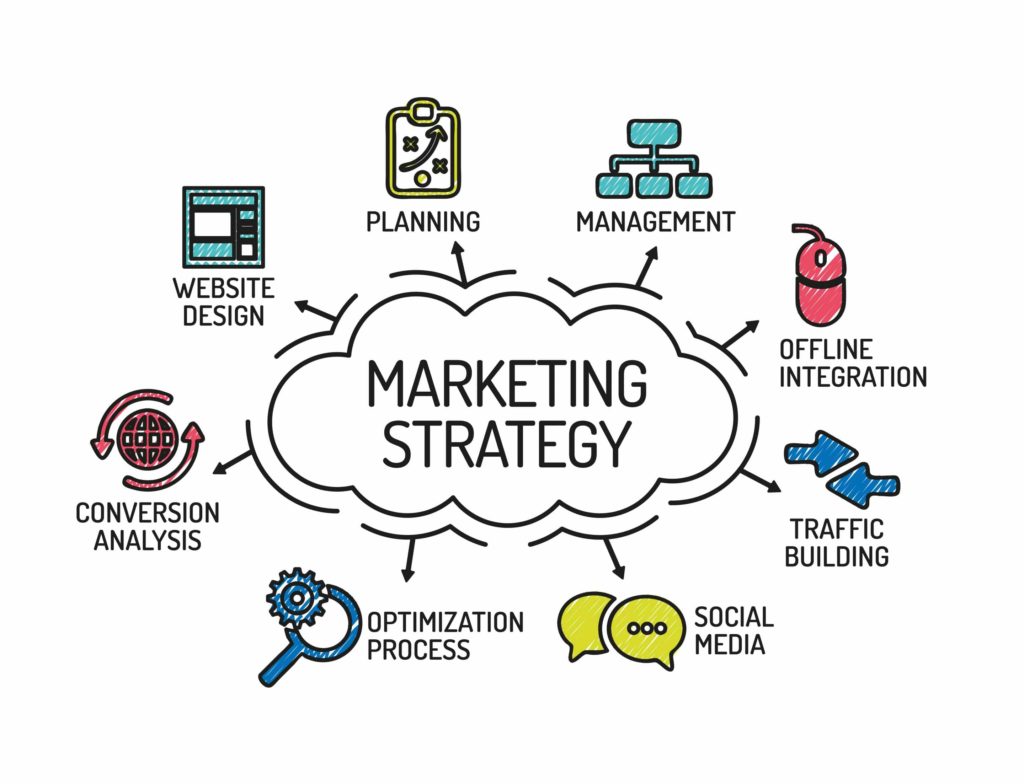
Get FREE Marketing Tips So You Can Grow Your Online Business
Check Out Our Latest Posts
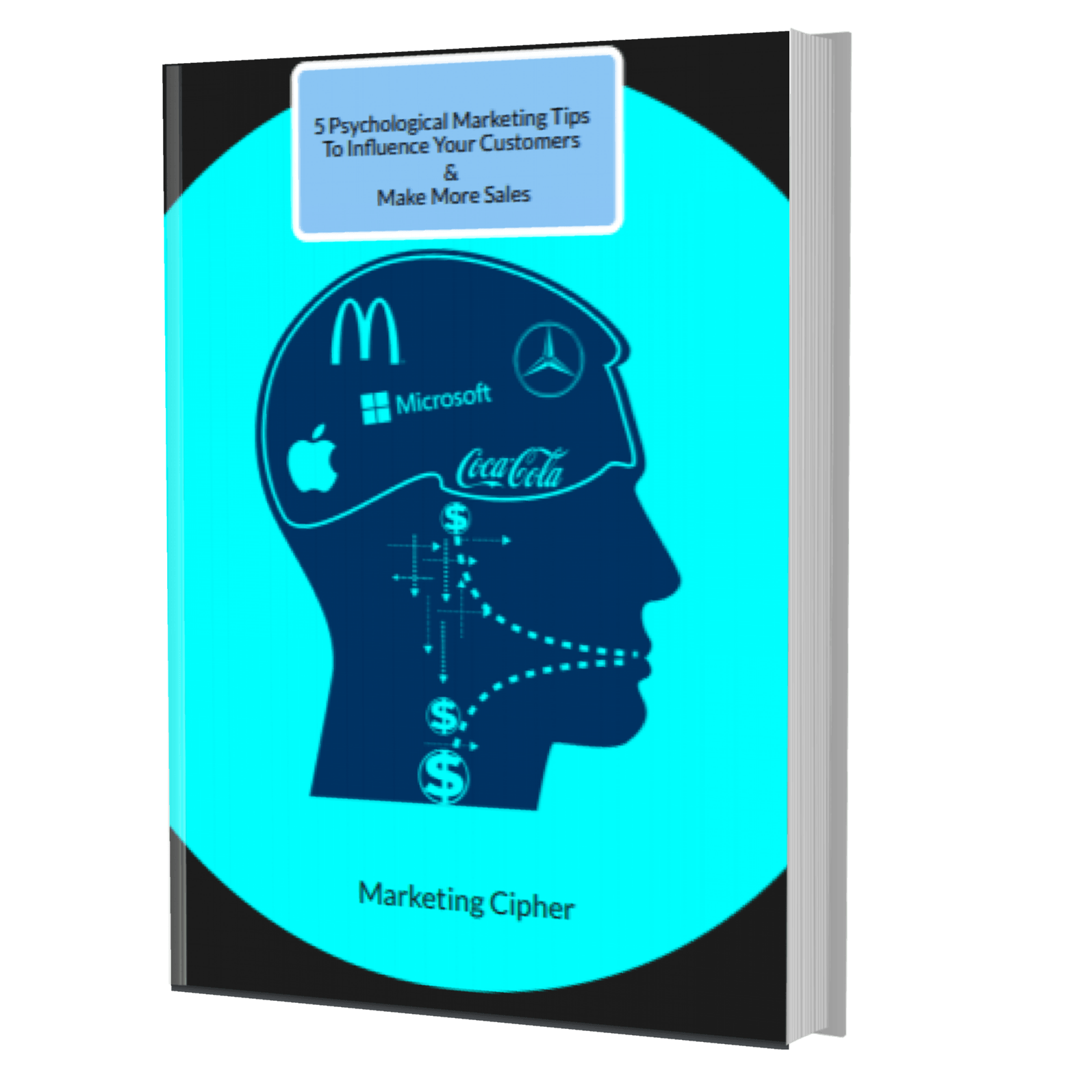
Get Your FREE Gift
"5 Psychological Marketing Tips To Influence Your Customers & Make More Sales"
Download This Free e-book To Learn How To:
Want More Leads, Traffic, & Sales?
Sign Up For Free Tips & Boost Your Results Now!