
Sign Up For Free Tips So You Can:
Copywriting Frameworks For Writing Irresistible Product Descriptions
A product description has a difficult job: it must explain what an item is, show why it matters, reduce doubt, and move a reader toward action. A list of features rarely achieves all four. Effective copy connects the product to a specific desire, problem, or outcome.
The strongest descriptions also make scanning easy. Buyers should quickly understand the offer, picture themselves using it, and recognize why it deserves attention now. That requires a repeatable structure rather than clever wording alone.
Copywriting frameworks provide that structure. They help turn raw product information into persuasive sales copy while keeping the voice clear, credible, and aligned with customer intent.
Start With The Buyer’s Desired Outcome
Before choosing a formula, identify what the customer wants to accomplish. A person buying a meal-planning app may want less stress at dinnertime, while someone buying running shoes may want confidence, comfort, or better performance. The product is the mechanism; the desired outcome is the emotional reason to buy.
Write a short customer-centered promise before drafting the description. Use this pattern: “For [specific buyer] who wants [desired result], this product helps you [primary transformation] without [common frustration].” This statement prevents the copy from drifting into vague claims.
Then connect each major feature to a benefit. A “double-wall stainless steel bottle” becomes “keeps drinks cold through a full workday.” A “one-click export” becomes “send finished files to your client without repetitive formatting.” Benefits give features a practical and emotional meaning.
Select A Framework That Fits The Offer
Different products require different persuasive paths. A familiar, low-cost item may need a concise benefit-led description, while a technical service may need education, proof, and objection handling. Choosing a framework based on buyer awareness keeps the message proportional to the decision.
PAS—Problem, Agitate, Solution—works well when the customer already feels a frustration. AIDA—Attention, Interest, Desire, Action—helps guide readers from initial curiosity to a purchase. FAB—Features, Advantages, Benefits—is useful when a product has distinctive specifications that need translation into customer value.
For a more complete description, use Before-After-Bridge. Show the customer’s current situation, describe the desired future, and position the product as the bridge between them. This structure creates contrast without relying on exaggerated promises.
Match The Message To Buyer Awareness
A first-time visitor may need context, while a returning customer may only need reassurance and a clear reason to act. Product descriptions become stronger when they meet readers at the right stage of awareness.
| Buyer awareness | Primary copy goal | Useful framework | Key content |
|---|---|---|---|
| Unaware | Create relevance | Problem-Agitate-Solution | Recognizable situation and consequence |
| Problem aware | Show a better path | Before-After-Bridge | Desired result and mechanism |
| Solution aware | Differentiate the offer | FAB or AIDA | Benefits, proof, and unique value |
| Product aware | Remove hesitation | AIDA | Risk reversal, details, and action |
| Most aware | Prompt the purchase | Benefit stack | Offer, urgency, and friction-free CTA |
Use language that reflects how customers describe the problem themselves. Reviews, support tickets, search queries, and sales calls often reveal more persuasive phrasing than internal brand discussions. For additional ideas about emotional triggers and buying behavior, explore these consumer psychology insights.
Make Benefits Specific And Believable
Vague adjectives such as “premium,” “amazing,” and “revolutionary” have little persuasive force without evidence. Replace them with observable details, measurable outcomes, or concrete use cases. “Premium leather” is weaker than “full-grain leather that softens with use while retaining its shape.”
Specificity also helps customers imagine ownership. Describe when, where, and how the product fits into their routine: “Slide the compact charger into your laptop sleeve and power your phone during the commute.” Sensory and situational details make the offer feel real.
Proof should support the central promise. Add ratings, customer results, certifications, demonstrations, guarantees, or recognizable credentials where appropriate. Avoid inventing precise outcomes that cannot be substantiated. Trust grows when the description is confident without sounding inflated.
Use Urgency Without Damaging Trust
Urgency can help a ready buyer make a decision, but artificial pressure can weaken credibility. Use scarcity only when it reflects a genuine limitation, such as a seasonal production run, limited appointment capacity, or an offer with a real expiration date. Explain the reason briefly so the message feels transparent.
A useful urgency line focuses on timing rather than panic: “Order by Friday for delivery before the holiday.” Another approach is to describe the cost of delay in practical terms, such as missing a start date or remaining without a needed solution. Guidance on using ethical scarcity tactics can help keep urgency persuasive and honest.
Pair urgency with a low-friction call to action. “Choose your size” feels more natural than “Buy now before it’s too late” when the buyer still needs to make a selection. The call to action should tell readers exactly what happens next.
Build A Conversion-Ready Description
A reliable product page often follows this sequence: outcome-focused opening, short benefit summary, feature-to-benefit details, proof, objection handling, and call to action. The order can change, but every section should answer a question the buyer is likely to have.
Edit for clarity before adding personality. Remove repeated claims, shorten long sentences, and place the strongest benefit near the beginning. Read the copy aloud to catch awkward phrasing and check whether a hurried visitor could understand the offer by scanning the subheads and bold text.
Use this practical editing checklist:
- Lead with the customer’s desired result rather than the company’s production process.
- Translate every important feature into a clear customer benefit.
- Add one concrete detail that helps readers visualize ownership or use.
- Address the biggest objection with proof, a guarantee, or transparent information.
- End with a specific call to action that matches the buyer’s next step.
A strong description should sound like a knowledgeable salesperson who respects the customer’s time. For more practical lessons on conversion copy, offers, and digital marketing, visit Marketing Cipher and apply one framework to an existing product page today.

Expert Marketing Tips & Tricks
We will share with you the latest tips and tricks from proven marketing experts:
- Dominate your target market
- Write powerful sales copy that converts
- Learn traffic secrets to attract unlimited leads
- Create Irresistible offers
- Grow your email list
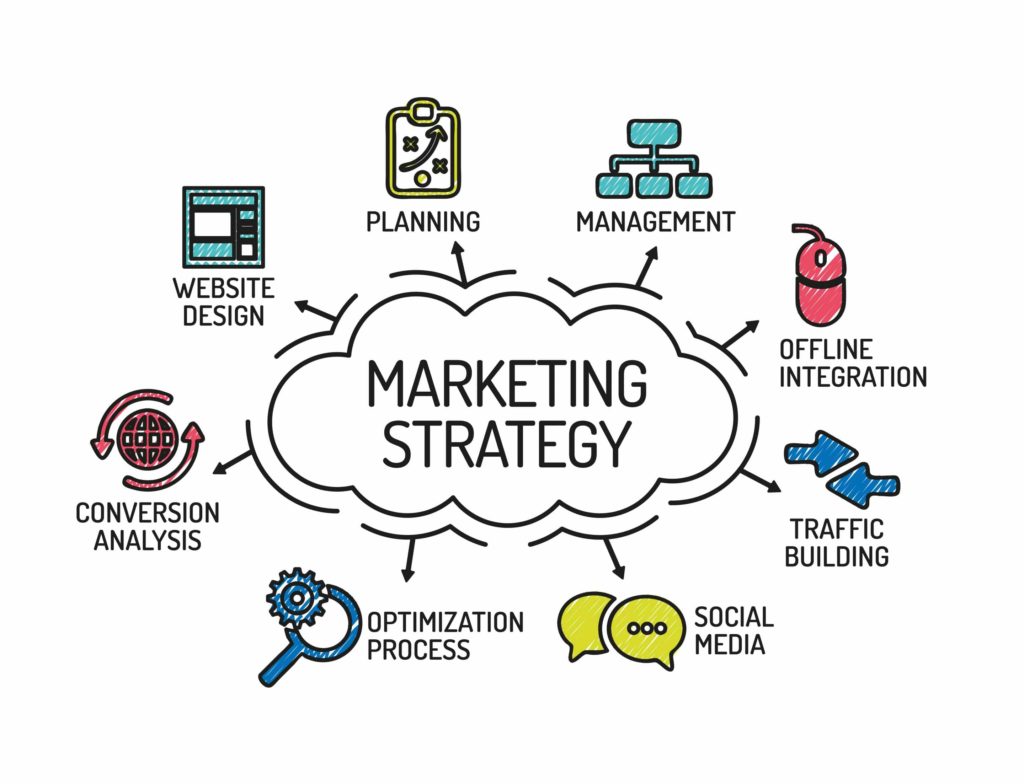
Get FREE Marketing Tips So You Can Grow Your Online Business
Check Out Our Latest Posts
Get Your FREE Gift
"5 Psychological Marketing Tips To Influence Your Customers & Make More Sales"
Download This Free e-book To Learn How To:
Want More Leads, Traffic, & Sales?
Sign Up For Free Tips & Boost Your Results Now!