
Sign Up For Free Tips So You Can:
Mirroring in Sales Copy and Consumer Psychology
Effective sales copy makes people feel understood before it asks them to take action. Mirroring helps create that feeling by reflecting a prospect’s language, priorities, emotional tone, and decision-making style. When used carefully, it can make a message sound relevant rather than generic.
The principle comes from interpersonal communication and consumer psychology. People often respond positively to familiar expressions and experiences because similarity can build trust and reduce uncertainty. In marketing, that does not mean copying a customer’s words mechanically. It means recognizing the way an audience frames a problem and shaping the message around that perspective.
For marketers, mirroring can improve landing pages, product descriptions, emails, advertisements, and sales conversations. The strongest results come when the technique is supported by genuine research, clear positioning, and a useful offer. Marketing Cipher provides further education on these connected areas of marketing strategy.
Why Mirroring Works
Mirroring works partly because people pay closer attention to information that feels personally relevant. A prospect who describes a problem as “too many disconnected tools” may react more strongly to copy that uses the same concept than to a vague promise about “streamlining operations.”
Language also carries emotional cues. A cautious buyer may use phrases such as “reliable,” “proven,” and “low risk,” while an ambitious buyer may emphasize “growth,” “speed,” and “competitive advantage.” Reflecting those priorities shows that the message is built for a particular audience instead of being recycled for everyone.
This process can reduce psychological distance. The reader does not have to translate unfamiliar terminology or reinterpret the problem in the seller’s language. That lower cognitive effort can make the offer easier to understand and the next step easier to consider.
Where Mirroring Appears In Copy
The most visible form is verbal mirroring. Sales copy can echo a target audience’s vocabulary, sentence rhythm, preferred level of detail, and descriptions of desired outcomes. Customer interviews, reviews, support tickets, sales calls, and social comments are valuable sources for discovering those patterns.
Mirroring can also appear in structure. A technical audience may respond well to specifications, comparisons, and implementation details. A time-pressed audience may prefer short sections, clear benefits, and immediate proof. The layout and information sequence should reflect how the reader evaluates a purchase.
Emotional mirroring is equally important. A message aimed at frustrated customers should acknowledge friction before presenting a solution. Copy that jumps directly to excitement can feel tone-deaf when the audience is worried about wasted money, missed deadlines, or a previous bad experience.
Match Language Without Mimicking
The goal is recognition, not imitation. Repeating a customer’s exact phrase too frequently may feel calculated, especially when the original wording came from a private conversation or review. Select the language that clarifies the problem and use it naturally within a broader, polished message.
Mirroring should also preserve the audience’s sophistication. If experienced buyers use industry terminology, replacing it with simplistic language can weaken credibility. If beginners are unfamiliar with technical terms, repeating jargon may create confusion rather than connection.
A useful test is whether the copy sounds like a thoughtful response to the customer’s situation. It should reflect their concerns while adding clarity, evidence, and direction. The seller’s voice still matters; it simply begins with the buyer’s frame of reference.
| Mirroring Element | What To Observe | Copywriting Application |
|---|---|---|
| Vocabulary | Repeated customer phrases and terms | Use familiar wording in headlines and benefits |
| Emotional tone | Anxiety, urgency, curiosity, or ambition | Match the mood before presenting the offer |
| Priorities | Price, speed, quality, status, or simplicity | Lead with the outcome the audience values |
| Decision style | Need for proof, detail, reassurance, or novelty | Adjust testimonials, data, and explanations |
| Objections | Risks and barriers mentioned repeatedly | Address concerns before the call to action |
Use Mirroring Across The Buyer Journey
Different stages of the customer journey require different forms of reflection. Early-stage content should mirror the language people use when identifying a problem. An educational article might explain symptoms, causes, and common mistakes without rushing into a product pitch.
Middle-stage content can reflect evaluation criteria. Case studies, comparison pages, and email sequences should address the questions prospects ask before committing: How difficult is implementation? What results are realistic? How does this differ from other choices?
At the decision stage, mirroring should focus on risk and readiness. A buyer who wants simplicity may need a concise onboarding explanation, while a buyer concerned about return on investment may need pricing context, evidence, and a clear value calculation. Marketers can also repurpose content effectively so the same audience insight informs multiple touchpoints.
Apply The Principle To Product Messaging
Product descriptions become stronger when they connect features to the customer’s own definition of value. A project management platform should not merely list dashboards and automation. It should show how those features solve the specific coordination problems customers describe.
Headlines, subheads, bullets, and calls to action can each mirror a different layer of motivation. The headline may identify the main pain point, the subhead may promise a desired outcome, and the supporting copy may answer practical objections. This creates a consistent path from recognition to action.
Frameworks can help organize this process without making the copy sound mechanical. Review copywriting frameworks for ways to connect customer language with benefits, proof, urgency, and a persuasive offer.
Measure Response And Refine
Mirroring is a hypothesis that should be tested, not a guarantee of conversion. Compare versions of a headline, email subject line, product page, or advertisement to see whether audience-centered language improves engagement and sales behavior.
Useful metrics include click-through rate, scroll depth, form completion, reply quality, trial activation, and purchase rate. Qualitative feedback matters too. Sales teams can record new objections, while customer service teams can identify words customers use after buying.
Avoid judging the technique by one metric alone. A highly emotional headline may earn clicks but attract poorly matched visitors. Strong mirroring should improve both relevance and the quality of subsequent actions, helping the right prospects move forward.
Build A Responsible Messaging System
Consumer psychology should make communication clearer, not exploit vulnerability. Ethical mirroring respects the audience’s autonomy and never invents fears, exaggerates similarity, or uses personal information in a way that feels intrusive.
A practical workflow can keep the technique grounded:
- Collect language from interviews, reviews, support conversations, and search behavior.
- Group phrases by problem, motivation, objection, and desired outcome.
- Match tone and terminology to the audience’s knowledge and emotional state.
- Test customer-centered copy against a clear control version.
- Remove language that creates pressure without adding useful information.
When the process is documented, mirroring becomes more than a clever copywriting tactic. It becomes a disciplined way to keep positioning, content, and offers aligned with real customer needs.
Put The Principle To Work
Begin with one high-value page or email sequence. Review the words customers already use, identify the dominant emotional concern, and rewrite the opening so it acknowledges that concern directly. Then connect the reflection to a specific benefit and credible proof.
For ongoing guidance, explore the free marketing resources and subscribe to receive practical advice on copywriting, consumer psychology, email campaigns, and conversion strategy. Use mirroring to make every message feel more relevant, more respectful, and more useful to the people you want to reach.
Expert Marketing Tips & Tricks
We will share with you the latest tips and tricks from proven marketing experts:
- Dominate your target market
- Write powerful sales copy that converts
- Learn traffic secrets to attract unlimited leads
- Create Irresistible offers
- Grow your email list
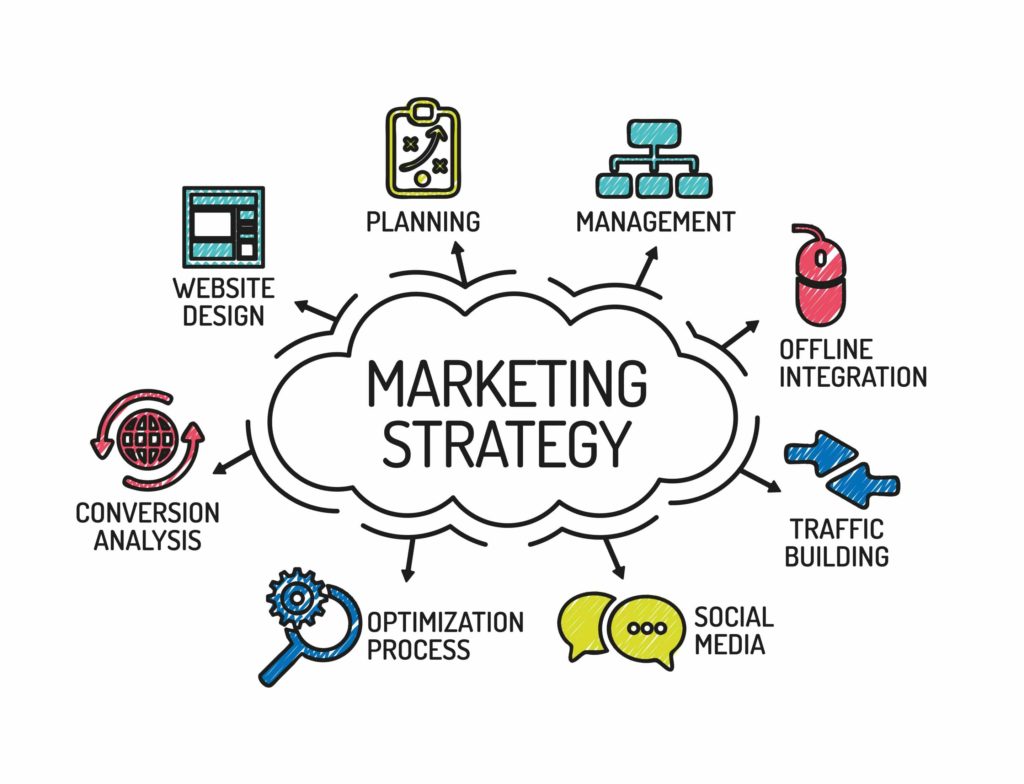
Get FREE Marketing Tips So You Can Grow Your Online Business
Check Out Our Latest Posts
Get Your FREE Gift
"5 Psychological Marketing Tips To Influence Your Customers & Make More Sales"
Download This Free e-book To Learn How To:
Want More Leads, Traffic, & Sales?
Sign Up For Free Tips & Boost Your Results Now!