
Sign Up For Free Tips So You Can:
The Scarcity Principle in Email Marketing Campaigns
Scarcity is one of the most effective psychological triggers in direct response marketing because it gives an offer a clear time or quantity boundary. When people believe an opportunity may disappear, they are more likely to prioritize it instead of postponing the decision.
In email marketing, scarcity can increase open rates, clicks, and conversions when it is specific, credible, and relevant to the subscriber. A deadline, limited inventory, or restricted bonus can turn passive interest into timely action without requiring aggressive sales language.
The strongest campaigns use urgency as part of a broader value proposition. Businesses can find practical guidance on copywriting, consumer behavior, and conversion strategy at Marketing Cipher, then apply those principles to build emails that feel useful rather than manipulative.
Why Scarcity Influences Buying Decisions
People tend to place greater value on opportunities that appear limited. This response is connected to loss aversion: the emotional impact of missing out can be stronger than the satisfaction of gaining the same benefit. An email that communicates a genuine limit helps subscribers understand why action matters now.
Scarcity also reduces decision fatigue. Instead of leaving the purchase open-ended, a deadline creates a natural choice point. The message moves a reader from “I will consider this later” to “I need to decide before the offer changes.”
The trigger works best when the limitation is meaningful. A real enrollment window, a seasonal promotion, or a fixed number of consultation slots gives urgency a logical foundation. Vague claims such as “almost gone” can damage trust when readers see the same message repeatedly.
Choosing The Right Scarcity Type
Time-based scarcity is common in promotional emails. A discount may end at midnight, a launch price may expire after 48 hours, or a bonus may be available only during an early-bird period. These campaigns should state the exact deadline and time zone wherever possible.
Quantity-based scarcity focuses on limited availability. It can suit physical products, coaching packages, event seats, or service capacity. If stock levels change quickly, connect the message to a clear inventory limit rather than inventing an arbitrary number.
Access-based scarcity creates exclusivity. A private workshop, invitation-only community, or limited application period can make subscribers feel selected while protecting the quality of the experience. The promise should match the actual level of access so that exclusivity remains believable.
Building Urgency Into The Email Sequence
A single deadline email can perform well, but a sequence usually creates stronger results. The first message can introduce the offer and explain the value. A follow-up can address objections, while a final reminder highlights what will change when the deadline passes.
Each email should add a new reason to act instead of repeating the same subject line. Share a customer result, explain the process, demonstrate the product, or answer a common concern. Scarcity gets attention, but useful information earns the conversion.
Subject lines can communicate urgency without resorting to exaggerated language. Phrases such as “Enrollment closes Friday” or “Your bonus expires tonight” are direct and specific. The body copy should repeat the deadline naturally, include a prominent call to action, and make the next step easy to complete.
Matching Scarcity With Offer Value
Urgency cannot rescue a weak offer. Subscribers need to understand what they receive, why it matters, and why the price represents a worthwhile exchange. A compelling package may combine the core product with templates, support, training, or a fast-action bonus.
The concept of value stacking helps marketers present an offer as a complete solution rather than a single item. When the benefits are clear, a deadline feels like a reason to act instead of pressure to buy something uncertain.
Personalization can improve relevance as well. Segment subscribers according to past purchases, browsing behavior, lead source, or engagement level. A returning customer may respond to an upgrade deadline, while a new subscriber may need education and proof before urgency becomes persuasive.
| Scarcity Approach | Best Use | Email Message Example | Main Risk |
|---|---|---|---|
| Deadline | Launches and promotions | “The early price ends Friday” | Unclear timing |
| Limited quantity | Products or appointments | “Only 12 places remain” | False inventory claims |
| Limited access | Events and communities | “Applications close this week” | Weak exclusivity |
| Expiring bonus | Courses and service packages | “The consultation bonus ends tonight” | Bonus lacks relevance |
Using Proof Without Creating Pressure
Social proof strengthens scarcity because it shows that other people have already recognized the offer’s value. Testimonials, customer counts, case studies, and usage results can reassure readers who are interested but uncertain.
Consumer psychology should guide the structure of these messages. This resource on product launch psychology explores behavioral triggers that can complement urgency, including social proof and commitment. Used thoughtfully, these elements help subscribers make an informed decision.
Avoid combining every psychological trigger in one email. Scarcity, fear, excessive countdowns, and heavy-handed language can make a campaign feel coercive. One clear urgency mechanism supported by evidence is usually more persuasive than a collection of dramatic claims.
Measuring The Campaign Beyond Clicks
Track performance at each stage of the funnel. Open rate indicates whether the subject line earned attention, click-through rate shows whether the message motivated interest, and conversion rate reveals whether the offer and landing page completed the job.
Compare urgency-based emails with evergreen messages, but keep the test controlled. You might test a precise deadline against a general promotional message while holding the offer, audience, and send time as consistent as possible. Watch unsubscribe rates and spam complaints alongside revenue.
A campaign that produces short-term sales but reduces future engagement may be too aggressive. Review repeat purchases, replies, customer feedback, and list retention to understand the long-term effect. Trust is an asset that should become stronger after every promotion.
Practical Ways To Apply Scarcity
Use these recommendations to make urgency clear, ethical, and conversion-focused:
- Set a real deadline and display it consistently in the email, landing page, and checkout process.
- Explain what changes after the deadline, such as a higher price, removed bonus, or closed enrollment.
- Segment the audience so each subscriber receives a relevant reason to act.
- Pair the scarcity trigger with proof, useful details, and a simple call to action.
- End the campaign when the stated limit expires instead of extending it without explanation.
Effective scarcity is a promise about availability, not a performance of panic. When the limit is genuine and the offer is valuable, subscribers can act confidently because the email clarifies both the opportunity and the cost of waiting.
Review your next promotion and identify one real limitation that matters to the buyer. Build a short email sequence around that constraint, support it with evidence, and measure conversions as well as audience trust. Subscribe to Marketing Cipher for practical marketing advice, free resources, and strategies you can apply to your next campaign.
Expert Marketing Tips & Tricks
We will share with you the latest tips and tricks from proven marketing experts:
- Dominate your target market
- Write powerful sales copy that converts
- Learn traffic secrets to attract unlimited leads
- Create Irresistible offers
- Grow your email list
Get FREE Marketing Tips So You Can Grow Your Online Business
Check Out Our Latest Posts
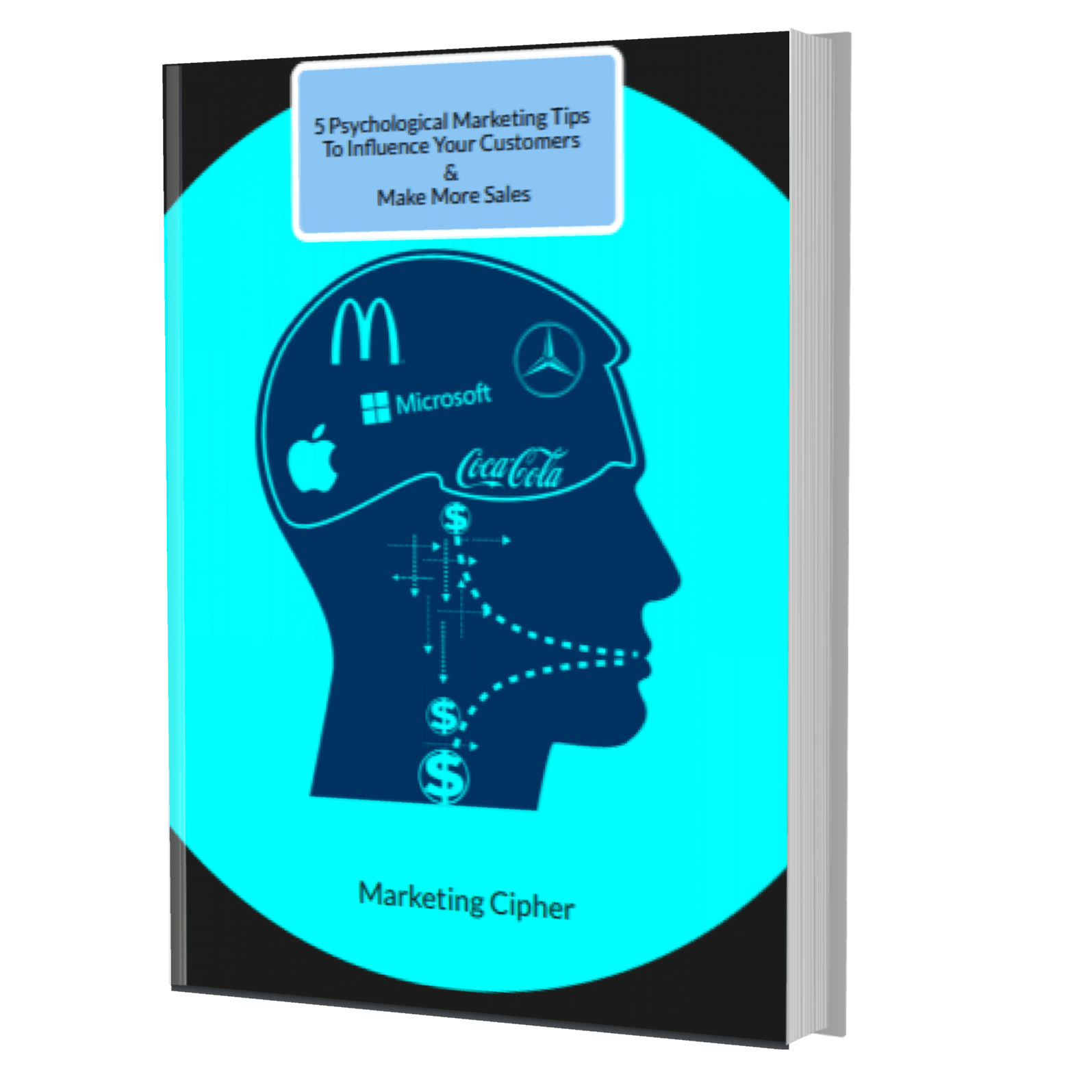
Get Your FREE Gift
"5 Psychological Marketing Tips To Influence Your Customers & Make More Sales"
Download This Free e-book To Learn How To:
Want More Leads, Traffic, & Sales?
Sign Up For Free Tips & Boost Your Results Now!